Policy and Planning Committee
Agenda
Notice of Meeting Te Pānui o te Hui:
An ordinary meeting of the Policy and
Planning Committee will be held on:
Date: Wednesday 13 May 2026
Time: 9:30 am
Venue: Camellia Chambers, Civic Offices,
53 Hereford Street, Christchurch
Membership
|
Chairperson
Deputy Chairperson
Members
|
Deputy Mayor Victoria Henstock
Councillor Tyrone Fields
Mayor Phil Mauger
Councillor Kelly Barber
Councillor David Cartwright
Councillor Melanie Coker
Councillor Pauline Cotter
Councillor Celeste Donovan
Councillor Tyla Harrison-Hunt
Councillor Nathaniel Herz Jardine
Councillor Yani Johanson
Councillor Aaron Keown
Councillor Sam MacDonald
Councillor Jake McLellan
Councillor Andrei Moore
Councillor Mark Peters
Councillor Tim Scandrett
|
7 May 2026
Website: www.ccc.govt.nz
Policy and
Planning Committee of
the Whole Council - Terms
of Reference / Ngā Ārahina Mahinga
|
Chair
|
Councillor Henstock
|
|
Deputy Chair
|
Councillor Fields
|
|
Membership
|
The Mayor and all the councillors are
members of this committee.
|
|
Quorum
|
Half of the members if the number of
members (including vacancies) is even, or a majority of members if the number
of members (including vacancies) is odd.
|
|
Meeting Cycle
|
Monthly
|
|
Reports to
|
Council
|
Purpose
The Policy and Planning Committee oversees
the development, review, implementation and adoption (where delegated) of
Council strategies, policies, and plans ensuring they align with the
Council’s long-term strategies and comply with the Local Government Act
2002 (LGA 2002), Resource Management
Act 1991 (and any replacement Act), and other relevant legislation.
Delegations
The Council delegates to the Policy and
Planning Committee authority to oversee and make decisions on:
·
Council’s strategies, policies, plans, and
other approvals, including, but not limited to:
-
Plans under the Resource Management Act 1991 and
any replacement legislation;
-
Strategic and spatial planning beyond statutory
plans, including plans prepared at a regional, greater Christchurch, or local
level;
-
Climate change resilience and planning;
-
Transport strategies and policies;
-
Other relevant strategies and policies not
delegated to other Council committees.
·
The Bylaw Review programme, including the review
or amendment of bylaws, the development of new bylaws and any bylaw
revocations, up to the point where they are ready for public consultation.
Noting that the LGA 2002 Schedule 7 Clause 32(1) identifies that Council cannot
delegate the power to make a bylaw.
·
Leases, licences, easements and revocations held
or managed under the Reserves Act 1977.
·
Council’s involvement in central
government strategies, plans or initiatives that impact on
Christchurch.
Where the Council cannot delegate policy or
bylaw adoption under LGA 2002 Schedule 7 Clause 32(1), the Policy and Planning
Committee will oversee its development and review prior to the Council’s
adoption.
Submissions
The Council delegates to the Committee
authority:
·
To consider and approve draft submissions on
behalf of the Council on topics within its terms of reference. Where the timing
of a consultation does not allow for consideration of a draft submission by the
Council or relevant Committee, that the draft submission can be considered and
approved on behalf of the Council.
Limitations
The general delegations to this Committee
exclude any specific decision-making powers that are delegated to a Community
Board, another Committee of Council or Joint Committee. Delegations to staff
are set out in the delegations register.
The following matters are prohibited from
being subdelegated in accordance with LGA 2002 Schedule 7 Clause 32(1):
·
the power to make a rate; or
·
the power to make a bylaw; or
·
the power to borrow money, or purchase or
dispose of assets, other than in accordance with the long term plan; or
·
the power to adopt a long-term plan, annual
plan, or annual report; or
·
the power to appoint a chief executive; or
·
the power to adopt policies required to be
adopted and consulted on under this Act in association with the long-term plan
or developed for the purpose of the local governance statement; or
·
the power to adopt a remuneration and employment
policy
Chairperson
may refer urgent matters to the Council or the Finance & Performance
Committee of the Whole Council
As may be necessary from time to time, the
Committee Chairperson is authorised to refer urgent matters to the Council or
to the Finance & Performance for decision, where this Committee would
ordinarily have considered the matter. In order to exercise this authority:
·
The Democratic Services Advisor must inform the
Chairperson in writing the reasons why the referral is necessary.
·
The Chairperson must then respond to the
Committee Advisor in writing with their decision.
If the Chairperson agrees to refer the
report to the Council, the Council may then assume decision- making authority
for that specific report.
Urgent
matters referred from the Council
As may be necessary from time to time, the
Mayor is authorised to refer urgent matters to this Committee for decision,
where the Council would ordinarily have considered the matter, except for those
matters listed in the limitations above.
In order to exercise this authority:
·
The Council Secretary must inform the Mayor and
Chief Executive in writing the reasons why the referral is necessary
·
The Mayor and Chief Executive must then respond
to the Council Secretary in writing with their decision.
If the Mayor and Chief Executive agree to
refer the report to the Committee, the Committee may then assume
decision-making authority for that specific report.
Part A Matters
Requiring a Council Decision
Part B Reports
for Information
Part C Decisions
Under Delegation
TABLE OF CONTENTS NGĀ IHIRANGI
Karakia Tīmatanga.................................................................. 7
C 1. Apologies Ngā Whakapāha...................................... 7
B 2. Declarations of Interest Ngā Whakapuaki Aronga..... 7
C 3. Confirmation of Previous Minutes Te Whakaāe o te
hui o mua............................................................... 7
B 4. Public Forum Te Huinga Whānui.............................. 7
B 5. Deputations by Appointment Ngā Huinga
Whakaritenga......................................................... 7
B 6. Presentation
of Petitions Ngā
Pākikitanga............... 8
Staff Reports
C 7. Proposal
to Rezone Land - 95 Jack Hinton Drive 17
C 8. Approval
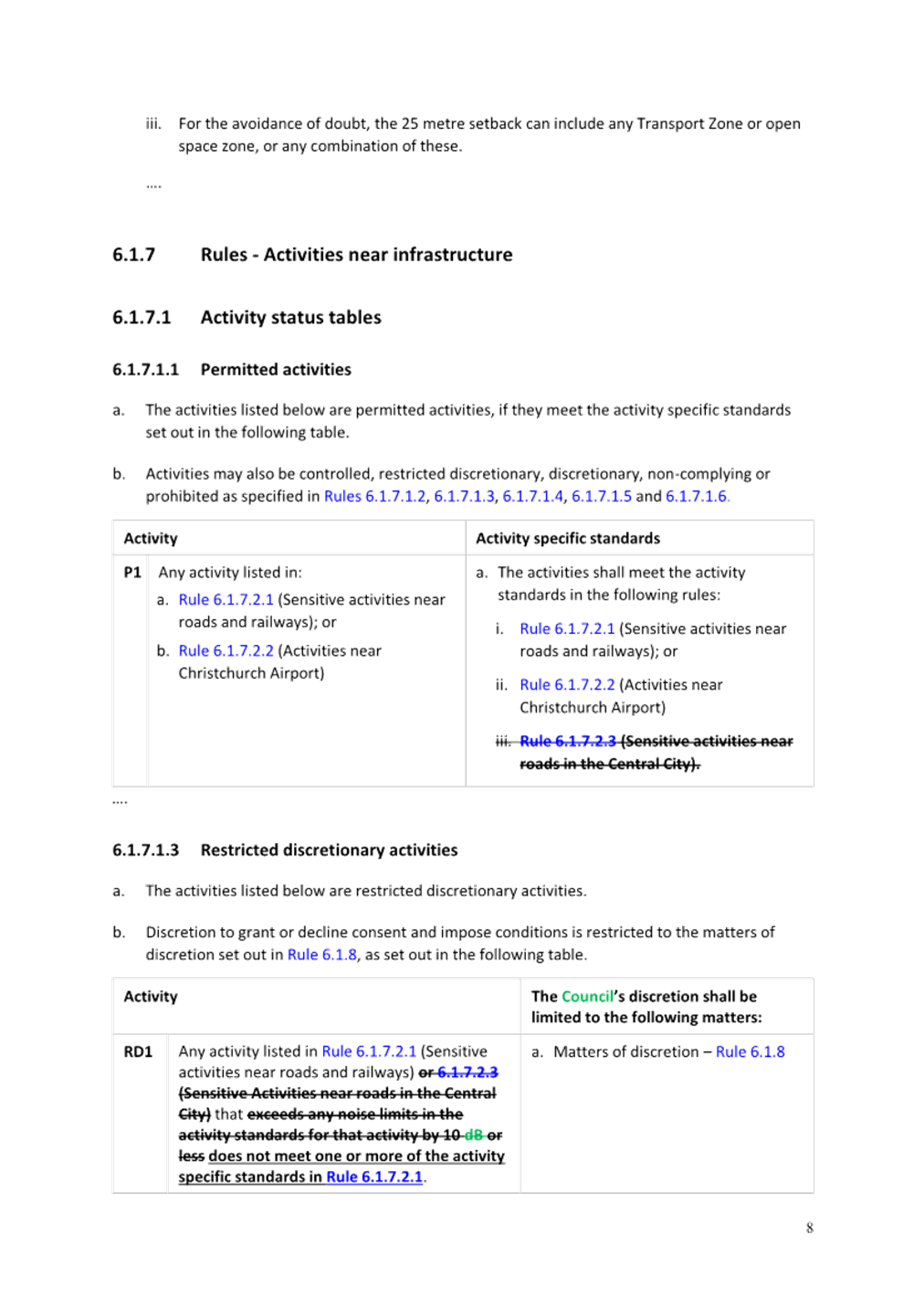
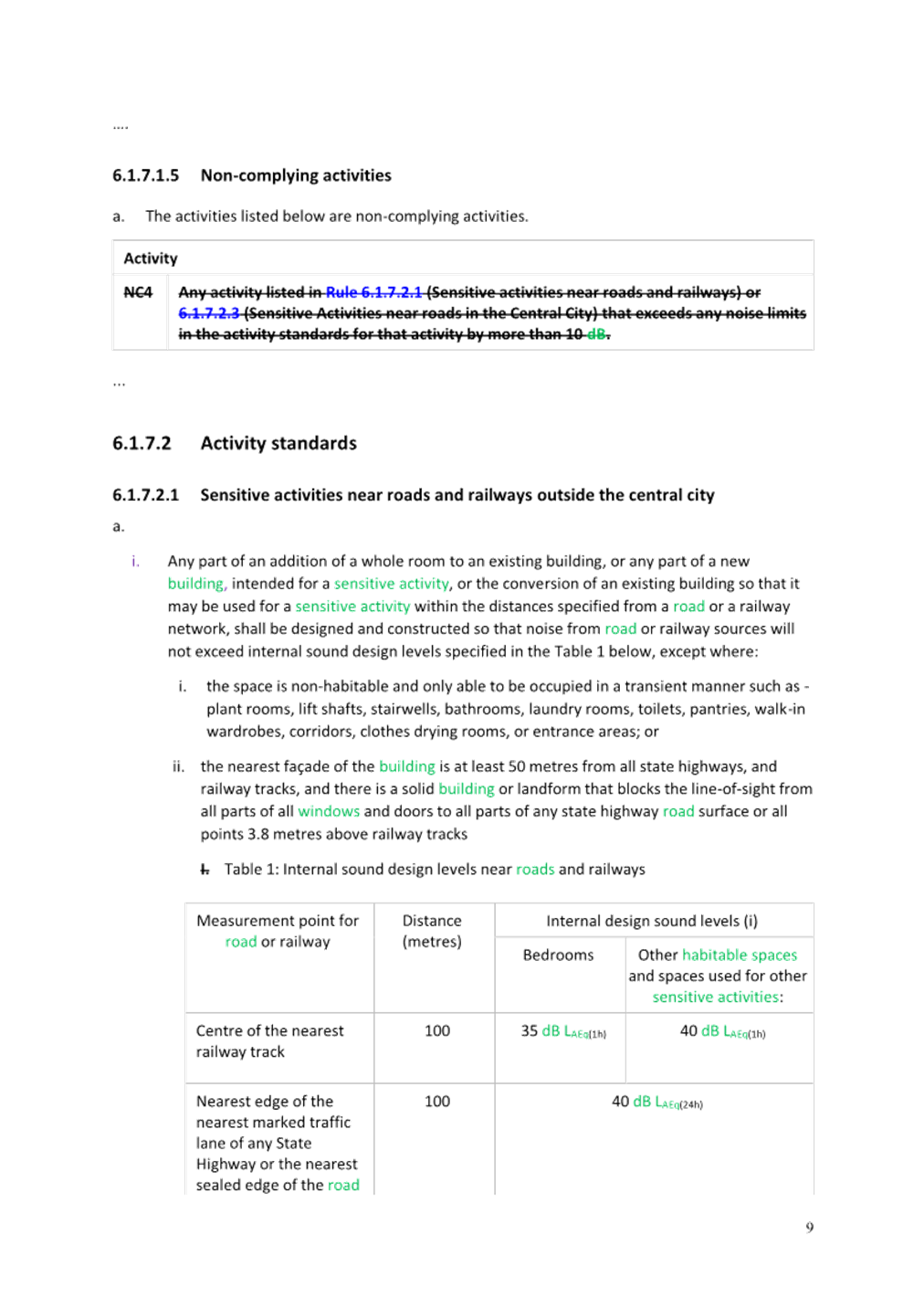
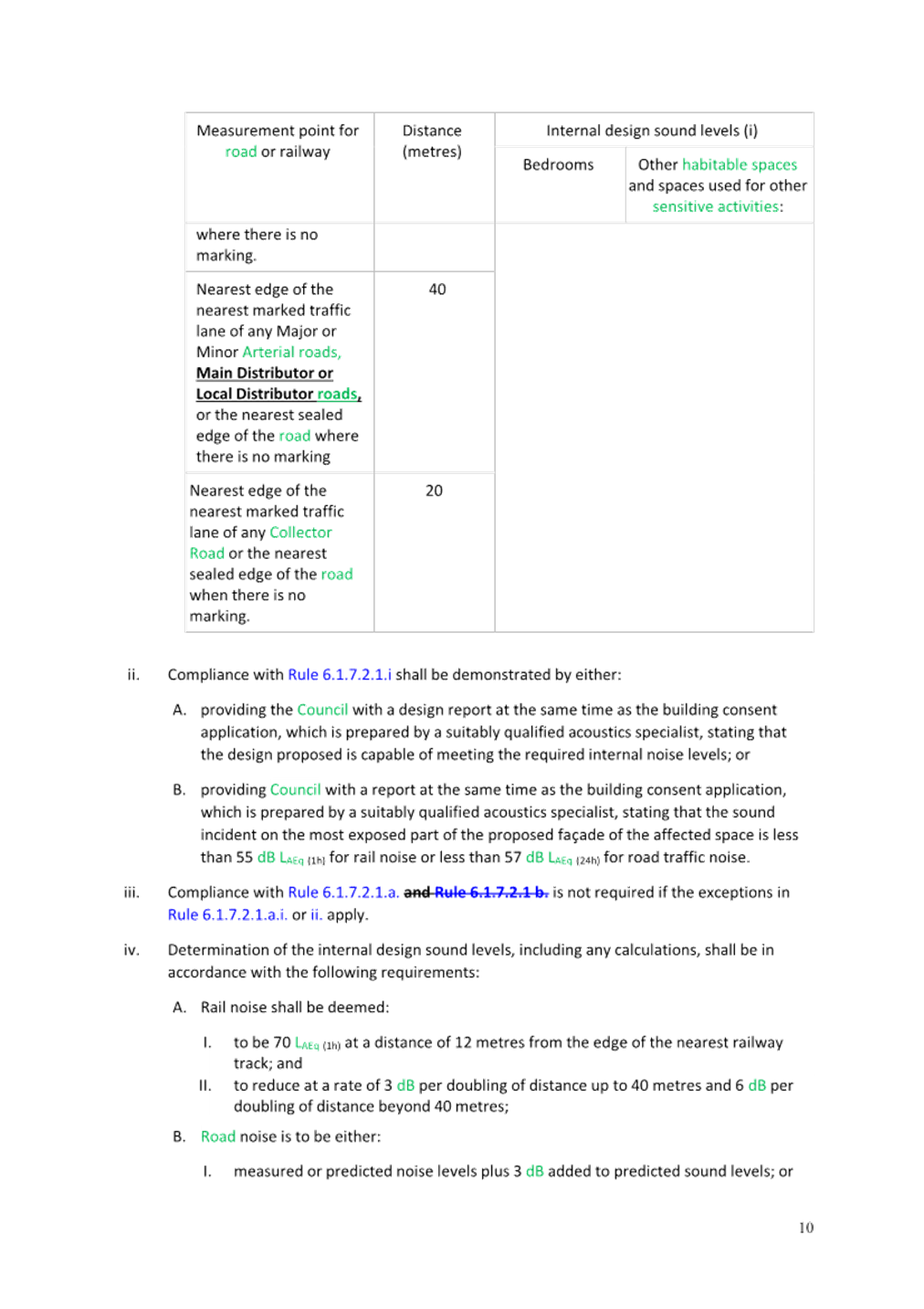
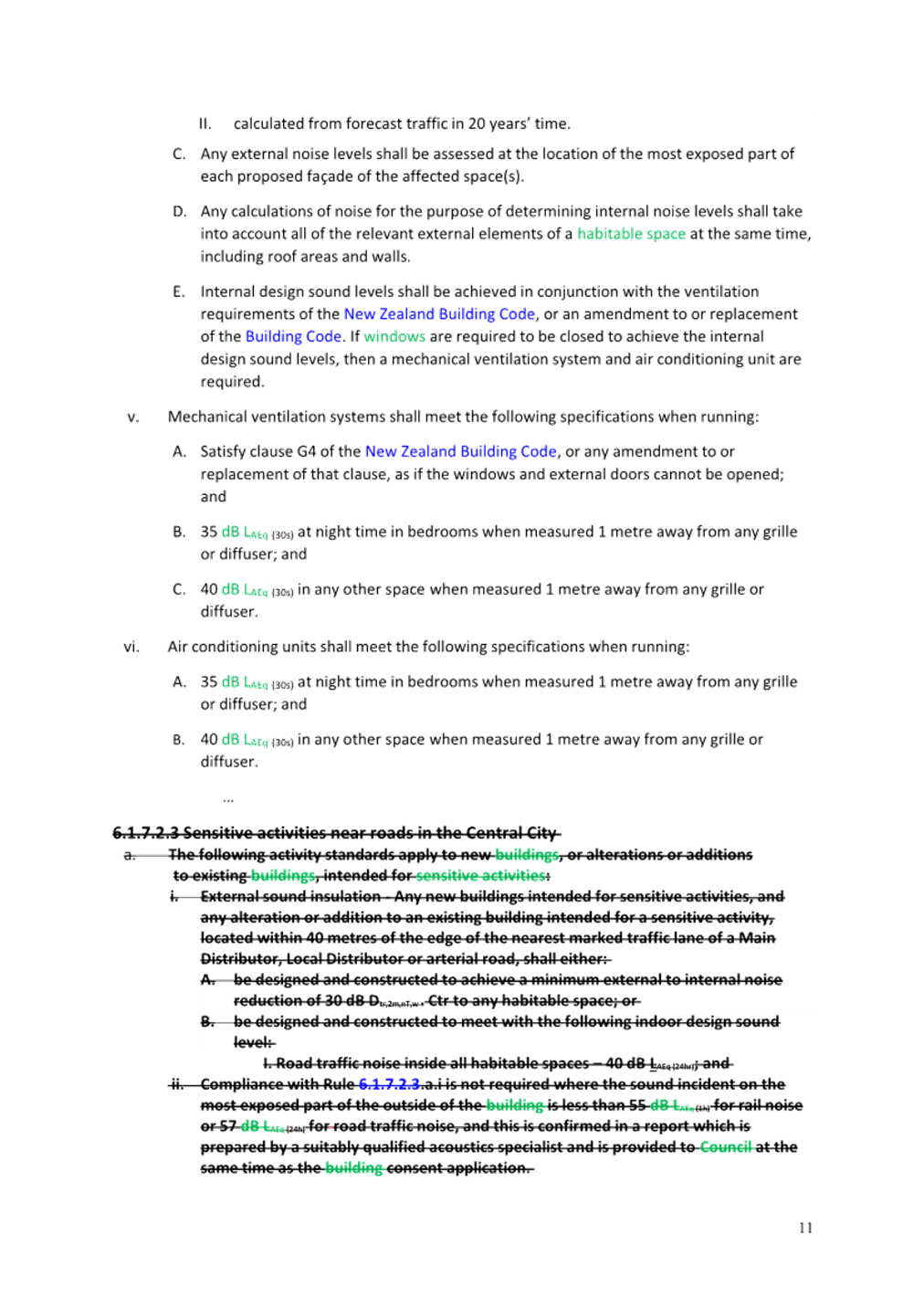
to Notify Plan Change 21 - Central City Noise............................................................ 35
C 9. Review
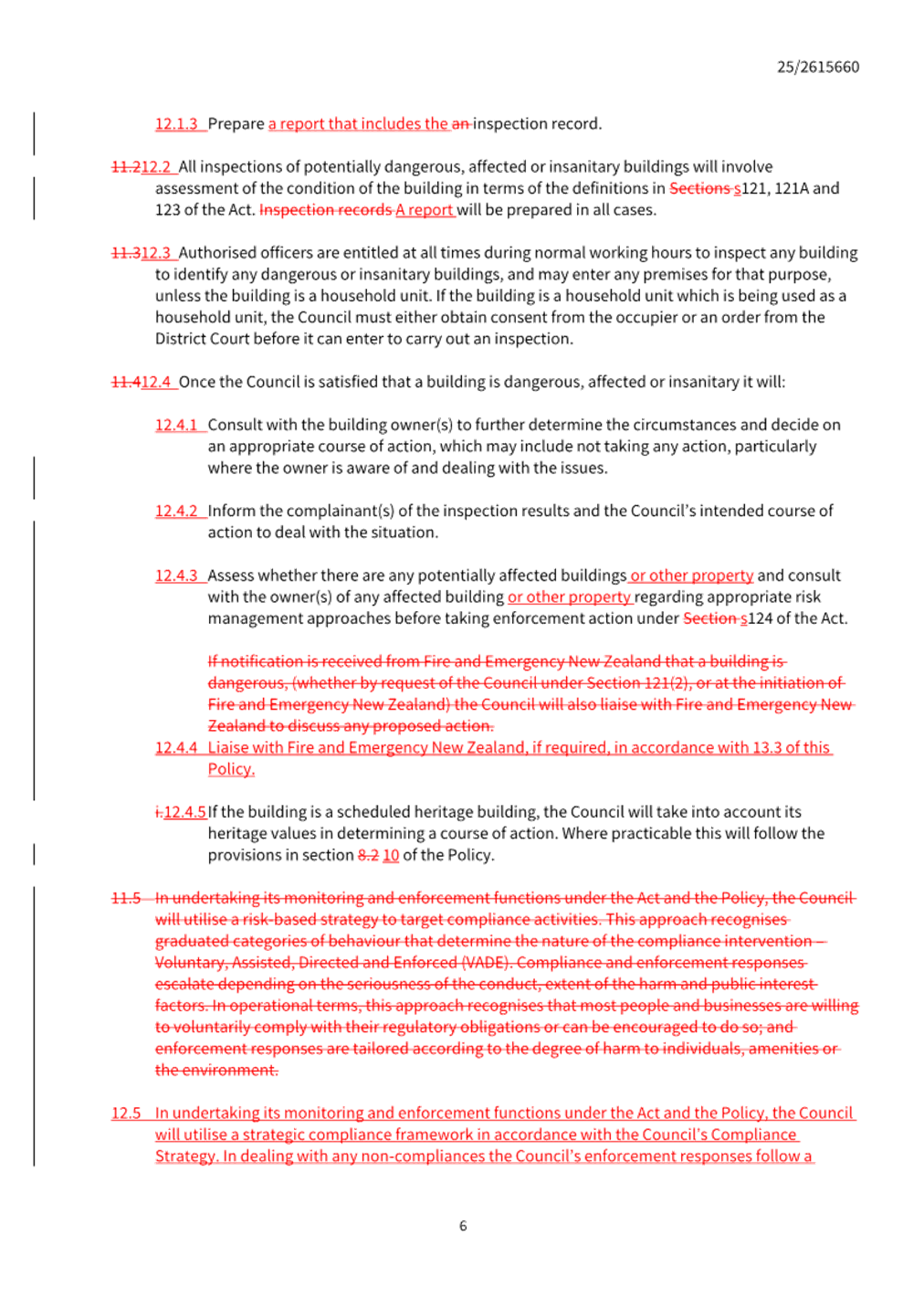
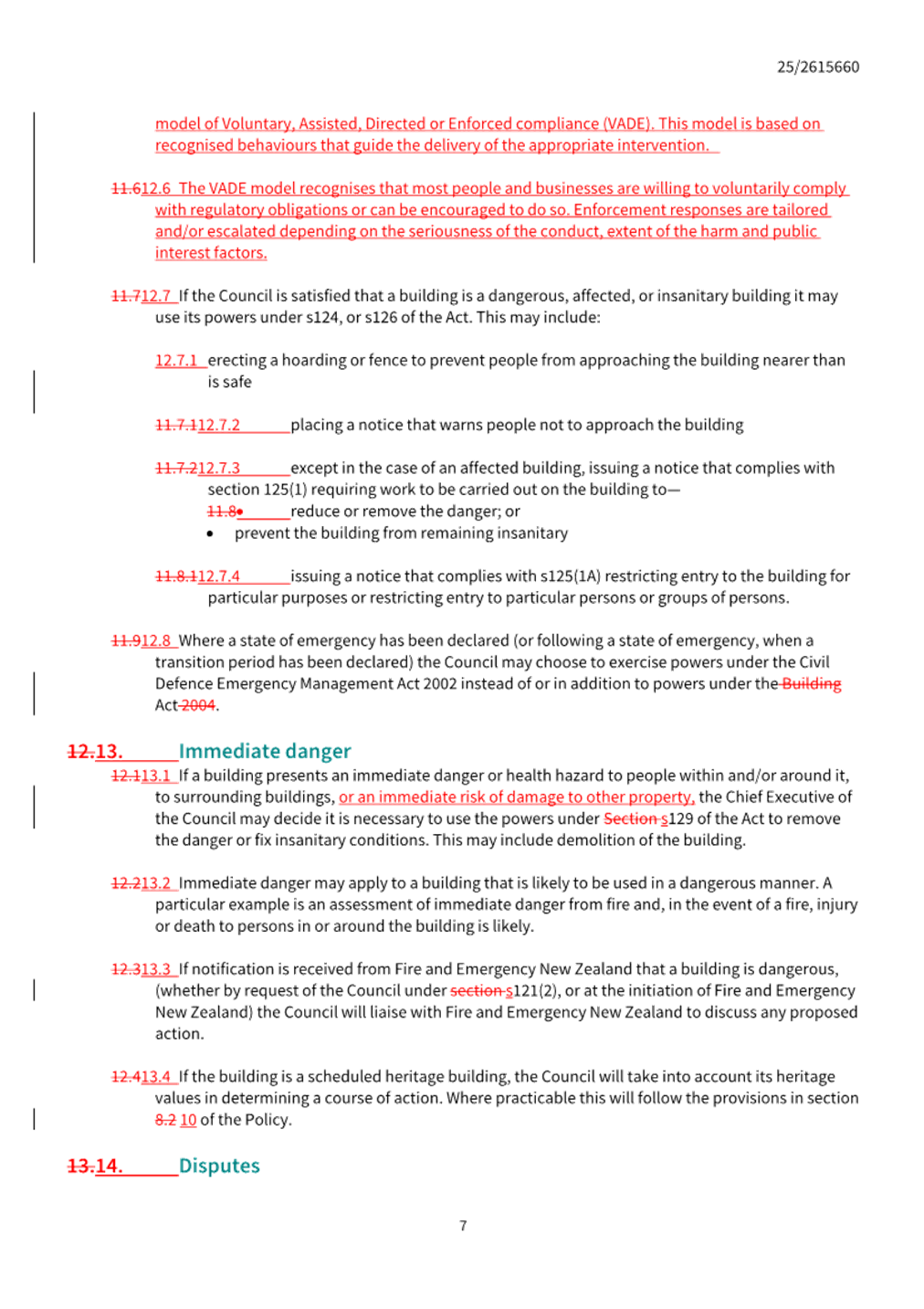
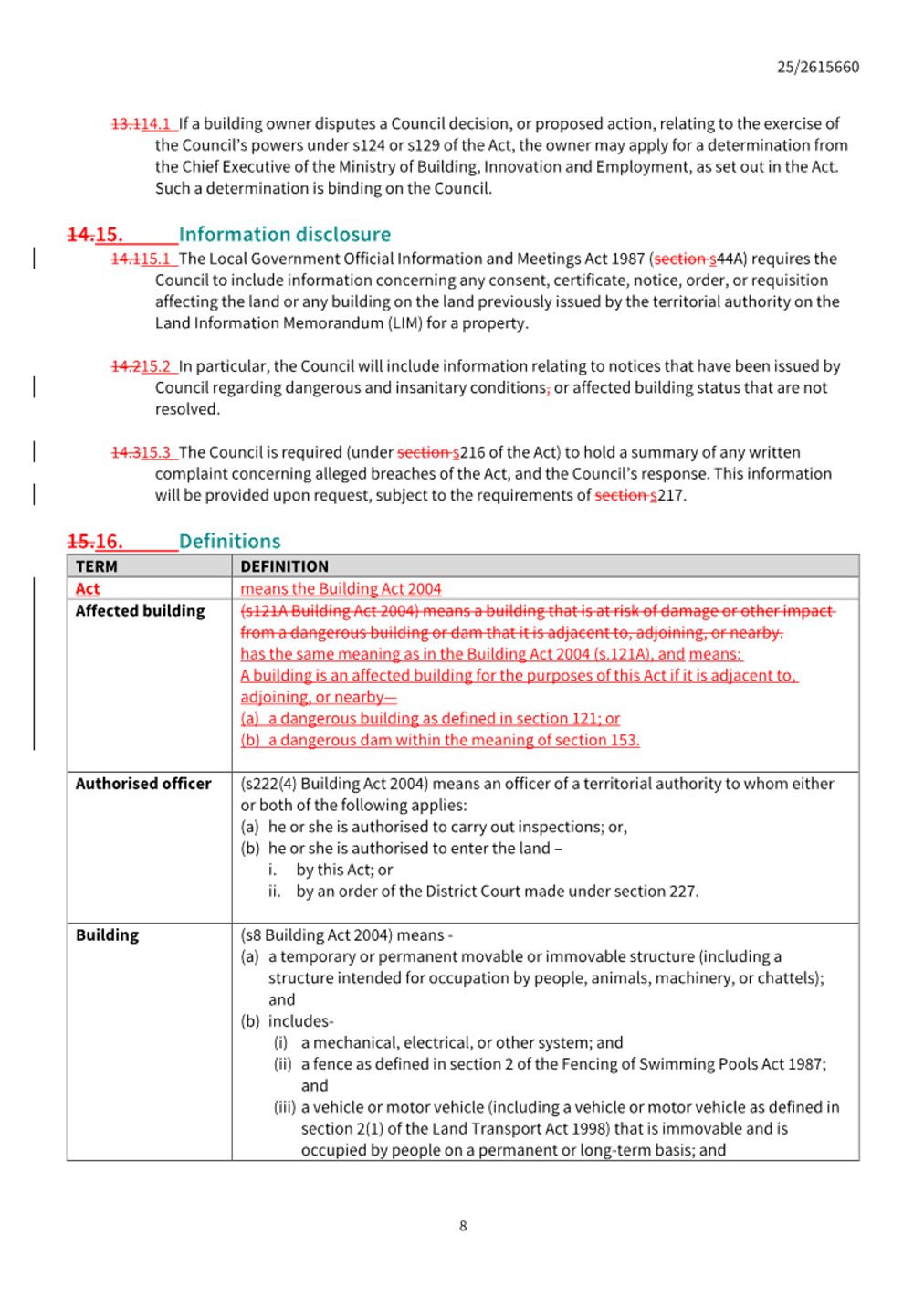
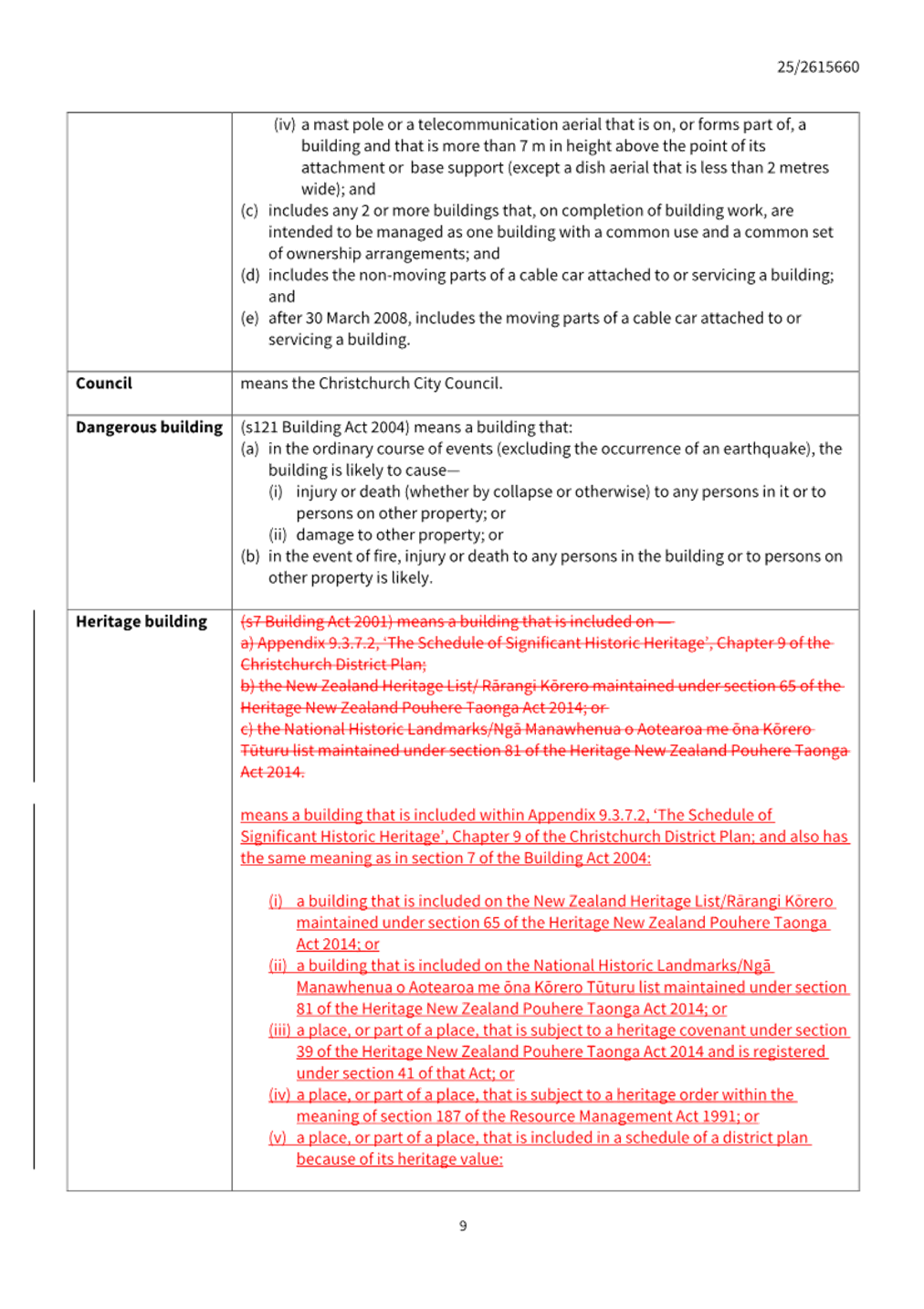
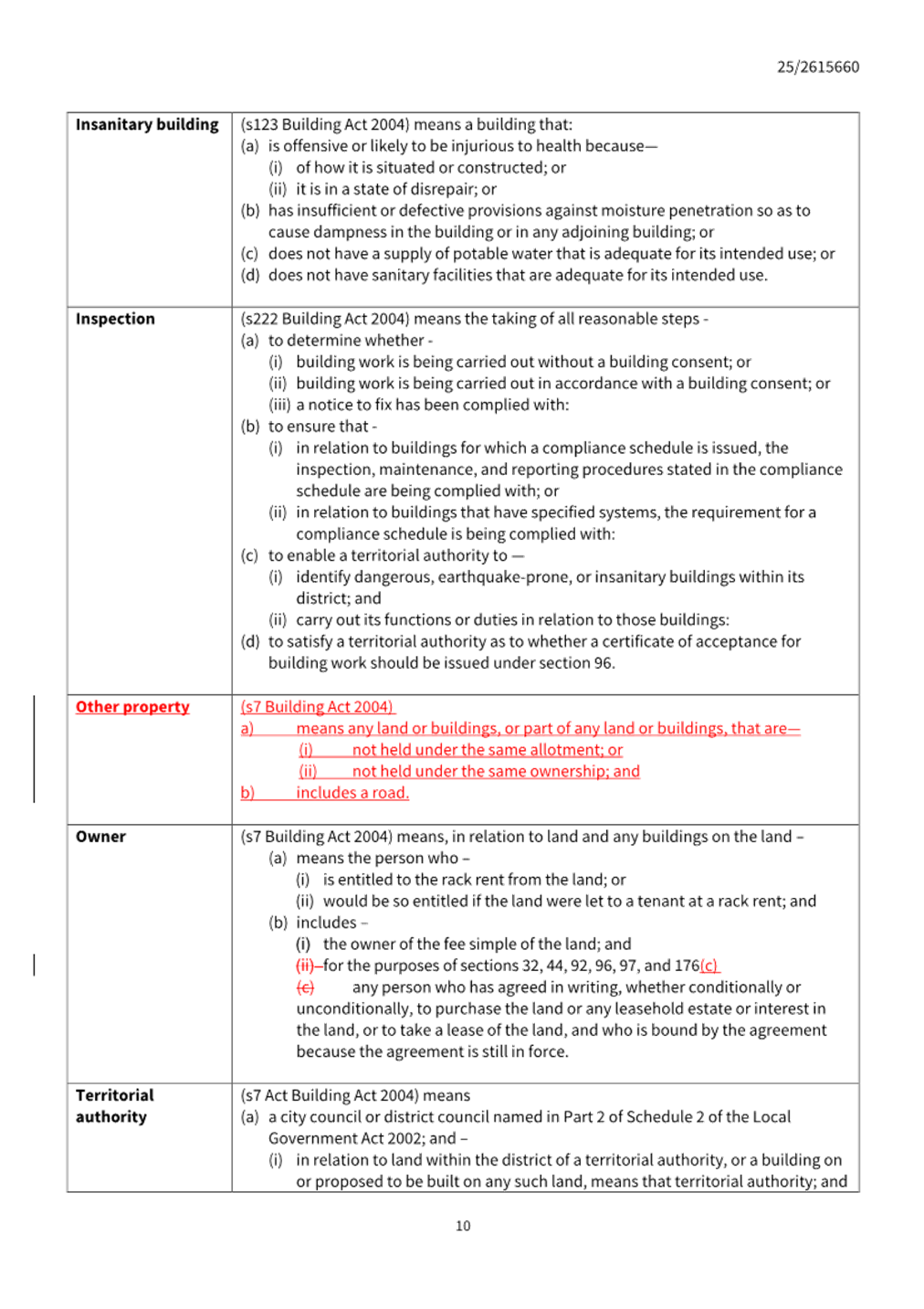
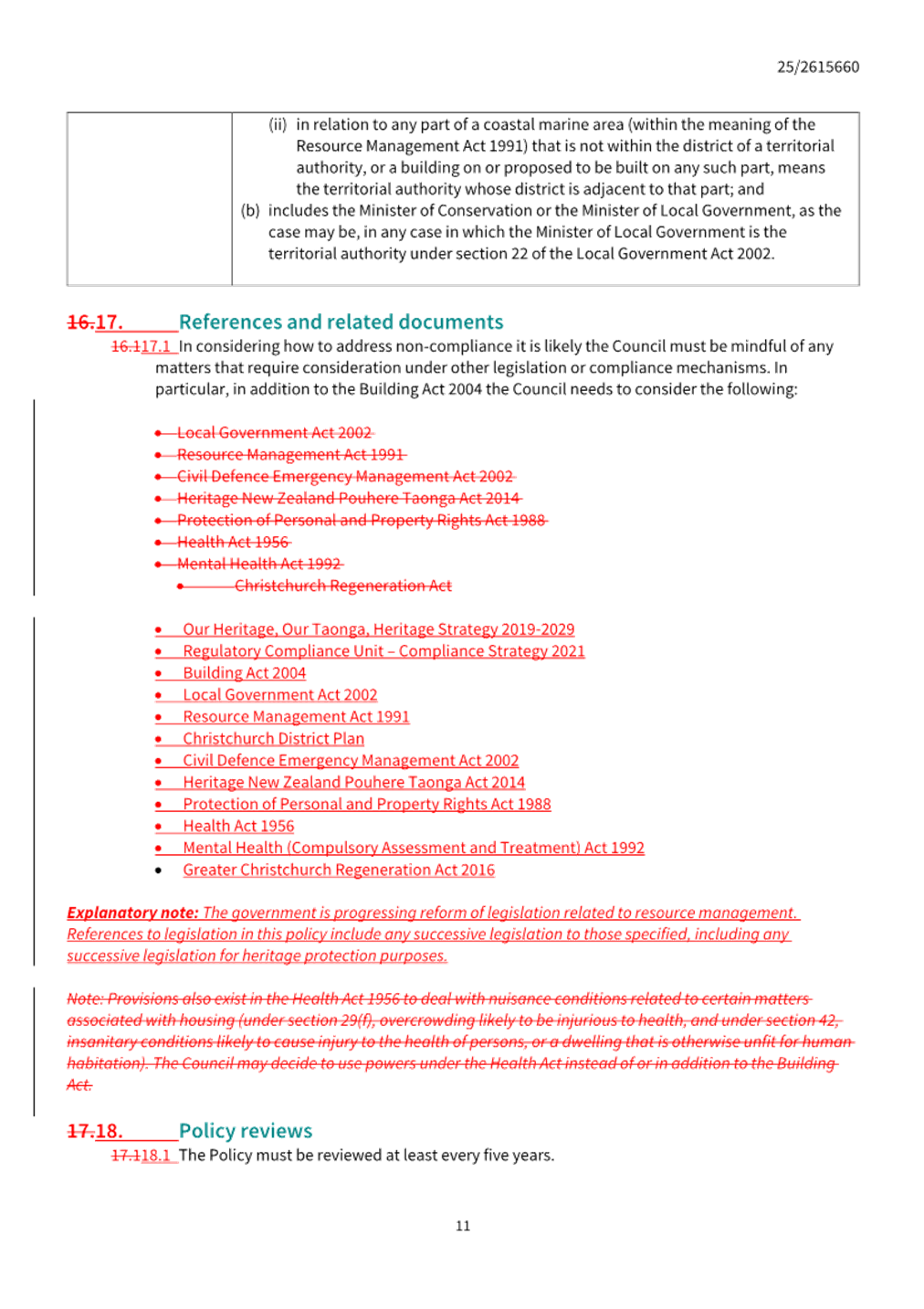
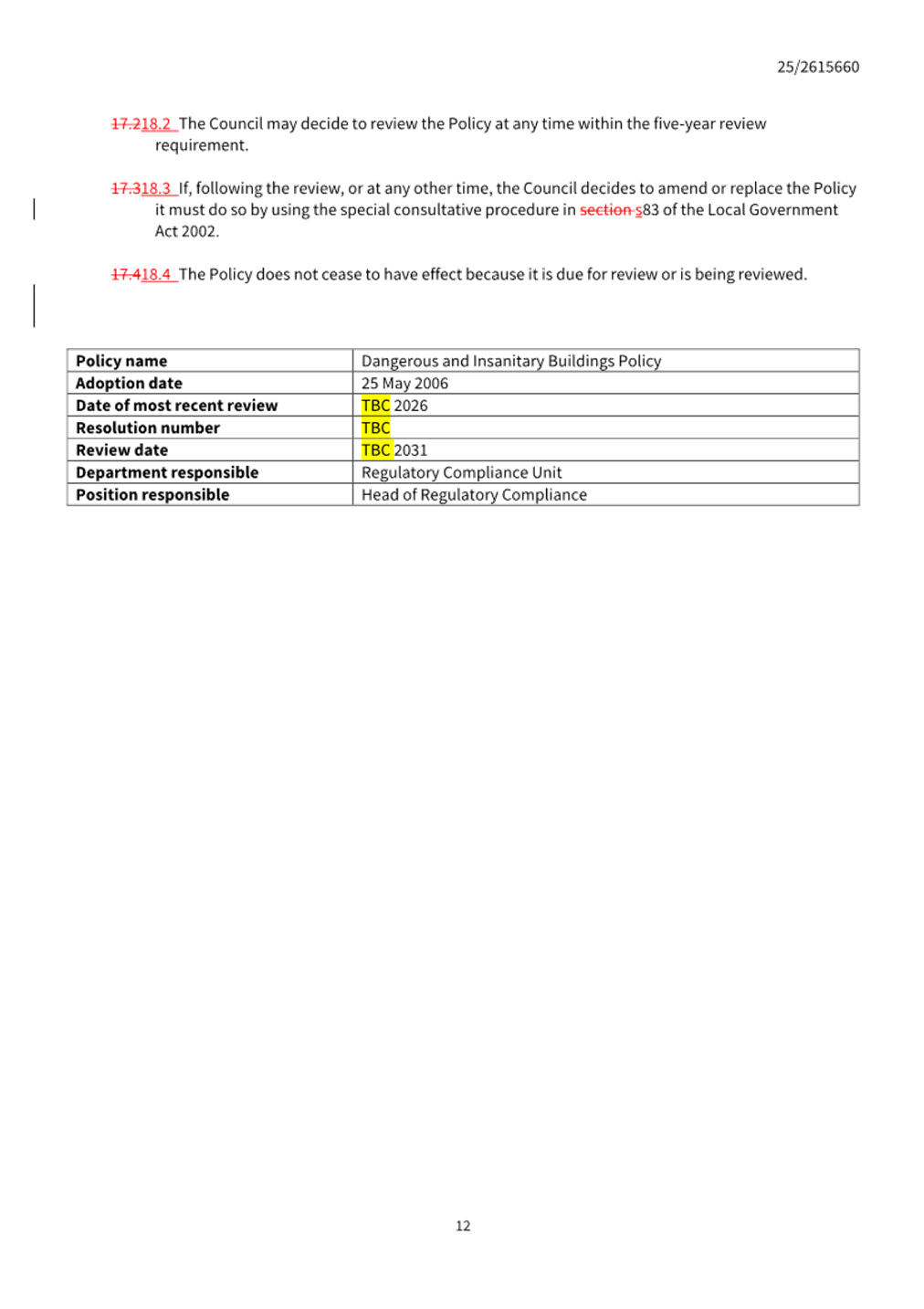
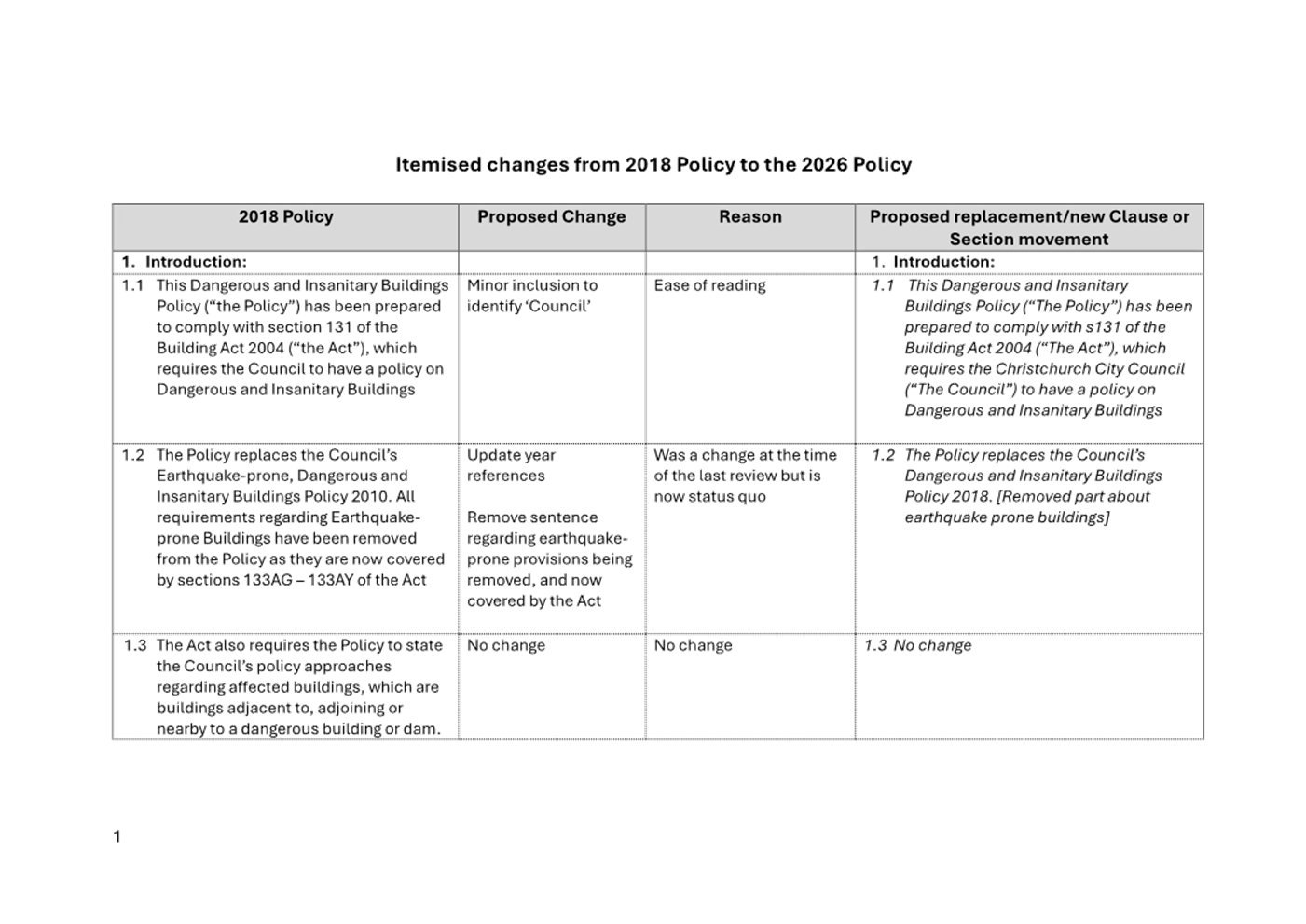
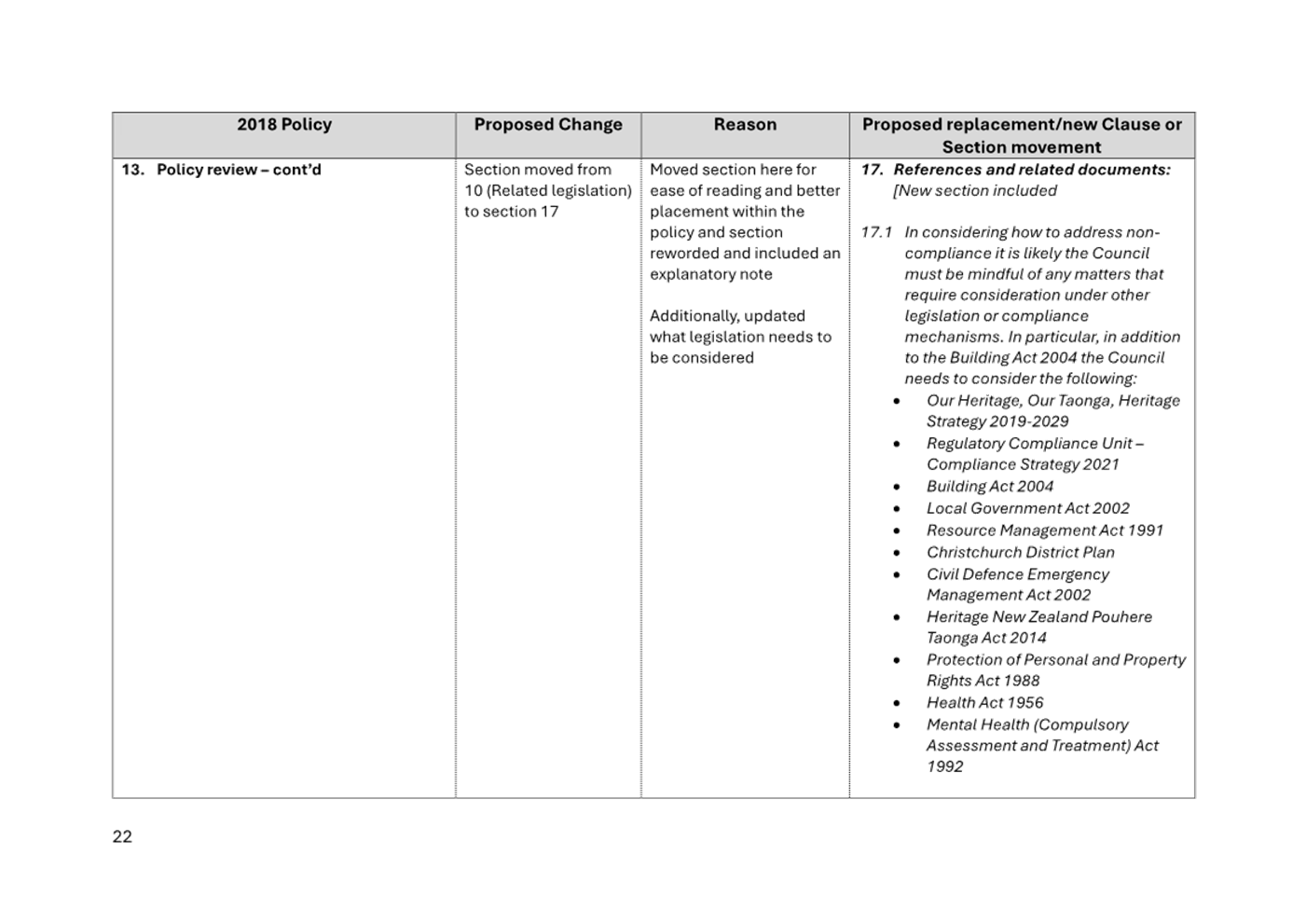
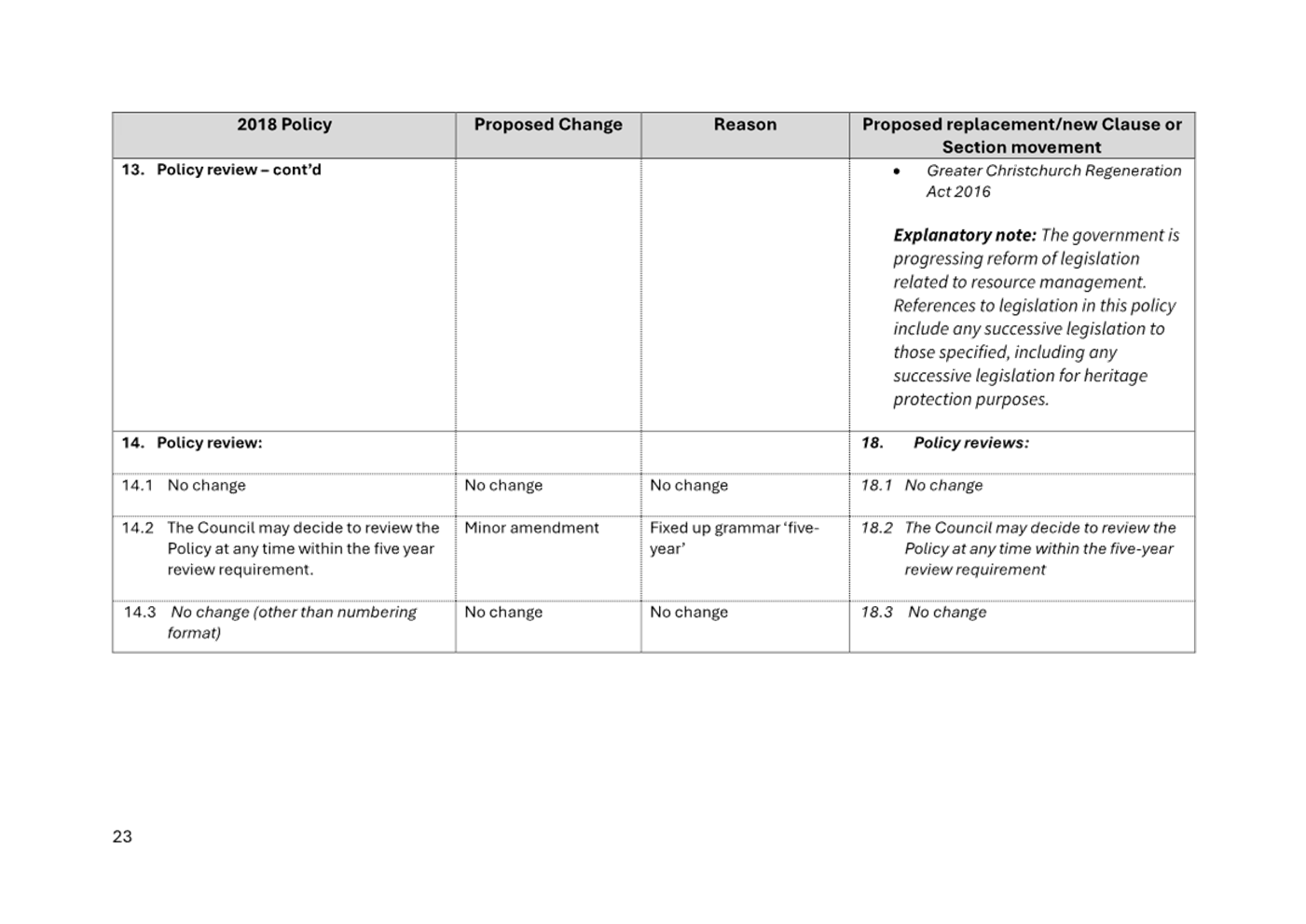
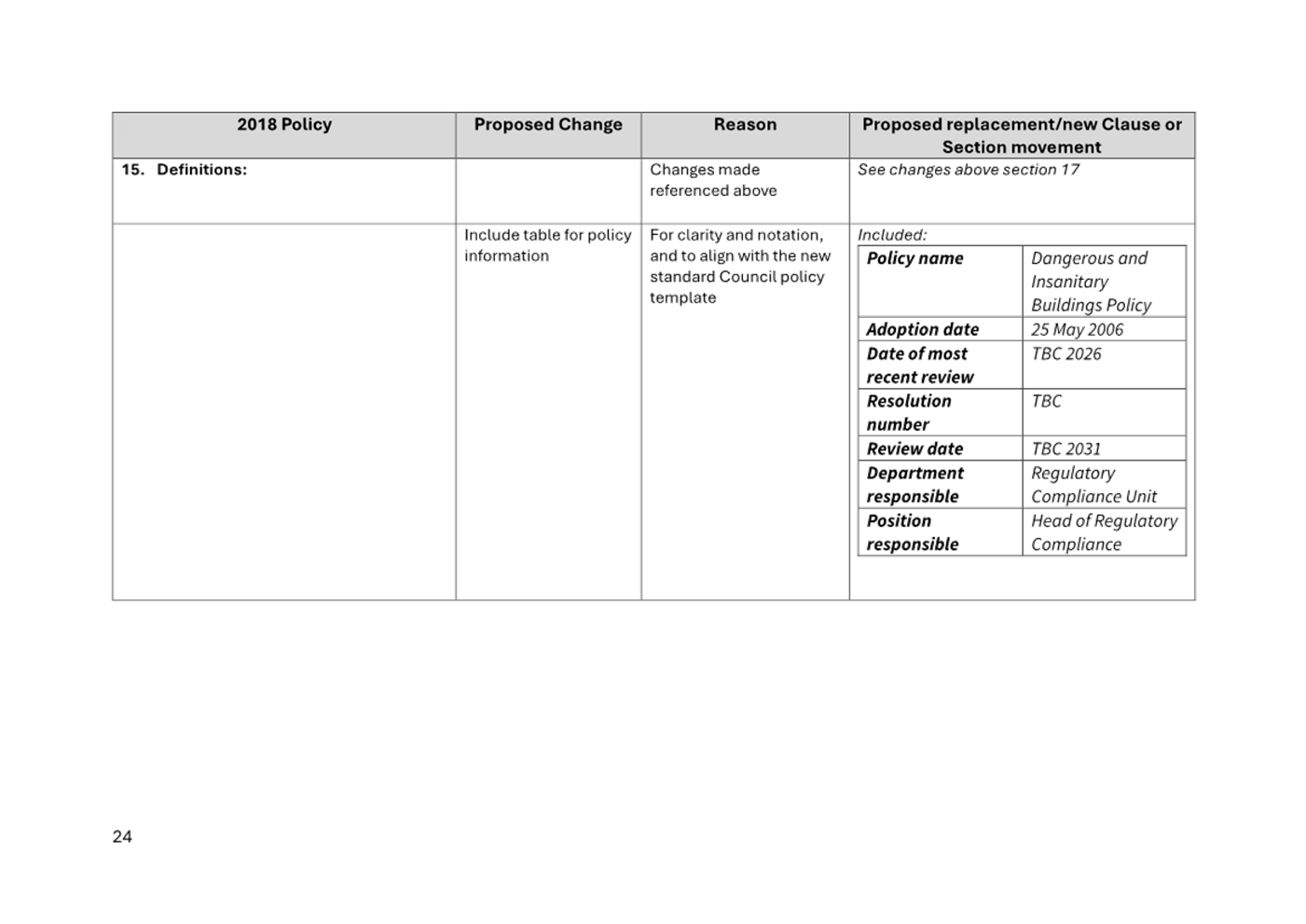
of the Dangerous and Insanitary Buildings Policy 2018.................................... 71
C 10. Gambling and
TAB Venues Policy Review..... 117
Governance Items
C 11. Notice of
Motion - Letter to Central Government - Short Stay Regulation............................... 123
C 12. Resolution to
Exclude the Public.................. 144
Karakia Whakamutunga
Actions Register Ngā Mahinga Tuwhera
Karakia Tīmatanga
Whakataka te hau ki te uru
Whakataka te hau ki te tonga
Kia mākinakina ki uta
Kia mātaratara ki tai
E hī ake ana te atakura
He tio, he huka, he hau hū
Tihei mauri ora
1. Apologies Ngā Whakapāha
An apology for
absence was received from Councillor Harrison-Hunt.
2. Declarations of Interest Ngā
Whakapuaki Aronga
Members are
reminded of the need to be vigilant and to stand aside from decision-making
when a conflict arises between their role as an elected representative and any
private or other external interest they might have.
3. Confirmation of Previous Minutes Te
Whakaāe o te hui o mua
That the
minutes of the Policy and Planning Committee meeting held on Wednesday, 8 April 2026 be confirmed
(refer page 9).
4. Public Forum Te Huinga Whānui
A period of up
to 30 minutes will be available for people to speak for up to five minutes on
any issue that is not the subject of a separate hearing process.
|
4.1
|
Bradley Conder
Bradley Conder, General Manager Novotel
Cathedral Square Christchurch will speak regarding Item 11 – Notice
of Motion – Letter to Central Government – Short Stay Regulation.
|
|
4.2
|
Zeta Pringle
Zeta Pringle will speak regarding Item 11
– Notice of Motion – Letter to Central Government –
Short Stay Regulation.
|
|
4.3
|
Richard Girling
Richard Girling, General Manager Carnmore
Hagley Park, will speak regarding Item 11 – Notice of Motion –
Letter to Central Government – Short Stay Regulation.
|
5. Deputations by Appointment Ngā Huinga
Whakaritenga
Deputations may
be heard on a matter or matters covered by a report on this agenda and approved
by the Chairperson.
Deputations will
be recorded in the meeting minutes.
6. Presentation of Petitions Ngā
Pākikitanga
There were no petitions
received at the time the agenda was prepared.
To present to the Committee,
refer to the Participating in decision-making webpage or
contact the meeting advisor listed on the front of this agenda.

Policy and Planning Committee
Open
Minutes
Date: Wednesday 8 April 2026
Time: 9:31 am
Venue: Camellia Chambers, Civic
Offices,
53 Hereford Street, Christchurch
Present
|
Chairperson
Deputy Chairperson
Members
|
Deputy Mayor Victoria
Henstock
Councillor Tyrone
Fields
Mayor Phil Mauger
Councillor Kelly
Barber
Councillor David
Cartwright
Councillor Pauline
Cotter
Councillor Tyla
Harrison-Hunt
Councillor Nathaniel
Herz Jardine
Councillor Yani
Johanson
Councillor Aaron
Keown
Councillor Sam
MacDonald
Councillor Jake
McLellan
Councillor Andrei
Moore
Councillor Mark
Peters
Councillor Tim
Scandrett
|
Website: www.ccc.govt.nz

Part A Matters
Requiring a Council Decision
Part B Reports
for Information
Part C Decisions
Under Delegation
Karakia
Tīmatanga
The agenda was dealt
with in the following order. Where no voting record is shown, the item was
carried unanimously by those present.
Secretarial Note: Item 8 was considered before Item 5.1 and Item
7 to allow the deputation speaker (Item 5.1) who joined via audio/visual link
to address technical issues before speaking to Item 7.
Councillor MacDonald
joined the meeting at 9.32 am.
Councillor Keown joined
the meeting at 9.33 am.
1. Apologies Ngā Whakapāha
Part C
|
Committee Resolved PAPCC/2026/00011
That the apologies
from Councillors Coker and Donovan for absence and from Councillor McLellan
for lateness be accepted.
Councillor Fields/Councillor Peters Carried
|
2. Declarations of Interest Ngā Whakapuaki Aronga
Part B
There were no declarations of interest recorded.
3. Confirmation of Previous Minutes Te Whakaāe o te hui o mua
Part C
|
Committee Resolved PAPCC/2026/00012
That the minutes of the Policy and Planning Committee
meeting held on Wednesday, 11 March 2026 be confirmed.
Councillor Peters/Mayor Carried
|
4. Public Forum Te Huinga Whānui
Part B
There were no public forum presentations.
6. Presentation of Petitions Ngā Pākikitanga
Part B
There was no presentation of petitions.
|
8. Extension of the City Vacant
Differential Rating
|
|
|
Committee Comment
1. Council
Officers Mark Stevenson and Steve Ballard joined the table to present Item 8
and answer questions from elected members. Officers tabled an updated
Recommendation 3 to clarify application to the Central City only (refer
underlined text).
2. The
Mayor Moved and Councillor MacDonald Seconded the updated Officer
Recommendations.
3. Councillor
Herz Jardine Moved and Councillor Harrison-Hunt Seconded an amendment (refer
Recommendation 4). When put to the vote, this was declared lost.
4. The
meeting then voted on the Motion as Moved by the Mayor and Seconded by
Councillor MacDonald. When put to the vote, this was declared carried.
|
|
|
Officer Recommendations
Ngā Tūtohu
That the Policy and Planning Committee:
1. Receives the information in the Extension of the City Vacant
Differential Rating Report.
2. Notes that the decision in this report is
assessed as medium significance based on the Christchurch City
Council’s Significance and Engagement Policy.
3. Retains the status quo: application of the
City Vacant Differential Rating to the City Centre and Central City Mixed Use
(South Frame) Zones only.
|
|
|
Motion Moved and Seconded
That the
Policy and Planning Committee:
1. Receives the information in the Extension
of the City Vacant Differential Rating Report.
2. Notes that the decision in this report is assessed as medium
significance based on the Christchurch City Council’s Significance and
Engagement Policy.
3. Retains
the status quo within the Central City: application of the City Vacant
Differential Rating to the City Centre and Central City Mixed Use (South
Frame) Zones only.
Mayor/Councillor
MacDonald Moved/Seconded
|
|
|
Amendment Moved and Seconded
4. Requests that staff
undertake further work on the alternative of extending the City Vacant
Differential (and associated exemptions and remissions) within the Central
City to include the Central City Mixed Use zone, in time to inform decisions
on the draft Long Term Plan.
Councillor Herz Jardine/Councillor Harrison-Hunt Lost
|
For
|
6
|
Councillor Cotter,
Councillor Harrison-Hunt, Councillor Herz Jardine, Councillor Johanson,
Councillor Moore, Councillor Scandrett
|
|
Against
|
8
|
Councillor Barber,
Councillor Cartwright, Councillor Fields, Councillor Keown, Councillor
MacDonald, Councillor Peters, Deputy Mayor Henstock, Mayor Mauger
|
|
Abstain
|
0
|
|
|
TOTAL
|
14
|
|
|
Absent
|
3
|
Councillor Coker,
Councillor Donovan, Councillor McLellan
|
|
|
|
Committee Resolved
PAPCC/2026/00013
Part C
That the Policy and Planning Committee:
1. Receives the information in the Extension of the City Vacant
Differential Rating Report.
2. Notes that the decision in this report is
assessed as medium significance based on the Christchurch City
Council’s Significance and Engagement Policy.
3. Retains the status quo within the Central
City: application of the City Vacant Differential Rating to the City
Centre and Central City Mixed Use (South Frame) Zones only.
Mayor/Councillor MacDonald Carried
|
For
|
14
|
Councillor Barber,
Councillor Cartwright, Councillor Cotter, Councillor Fields, Councillor
Harrison-Hunt, Councillor Herz Jardine, Councillor Johanson, Councillor
Keown, Councillor MacDonald, Councillor Moore, Councillor Peters,
Councillor Scandrett, Deputy Mayor Henstock, Mayor Mauger
|
|
Against
|
0
|
|
|
Abstain
|
0
|
|
|
TOTAL
|
14
|
|
|
|
|
|
Absent
|
3
|
Councillor Coker,
Councillor Donovan, Councillor McLellan
|
|
|
|
Attachments
a Planning
Map - Presentation to Council
|
Councillor McLellan joined the meeting at 10.04 am during
consideration of Item 5.
Councillor MacDonald left the meeting at 10.06 am returned
at 10.12 am during consideration of Item 5.
5. Deputations by Appointment Ngā Huinga Whakaritenga
|
5.1 Akaroa
Civic Trust
|
|
Marie
Haley spoke on behalf of the Akaroa Civic Trust regarding Item 7 - Coastal
Hazards Adaptation Planning: Where to next?
|
|
Attachments
a Marie
Haley - Presentation to Council
|
Councillor MacDonald left the meeting at 10.23 am returned
at 10.31 am during consideration of Item 7.
|
7. Coastal Hazards Adaptation
Planning: Where to next?
|
|
|
Committee Resolved
PAPCC/2026/00014
Officer Recommendations
accepted without change
Part C
That the Policy and Planning Committee:
1. Receives the information in the Coastal Hazards Adaptation
Planning - Where to next? Report.
2. Approves the initiation of the next coastal
hazards adaptation planning process in two Adaptation Areas: the Lower
Ōpāwaho Heathcote River and the St Andrews Hill to Taylors Mistake
area.
3. Agrees to then progress the following sequence
of locations for coastal hazards adaptation planning:
a. the remaining areas within Banks Peninsula and
the Lower Pūharakekenui Styx River,
followed by
b. the Lower Ōtakaro Avon River and
Waimairi to Southshore.
Councillor McLellan/Councillor Scandrett Carried
|
For
|
14
|
Councillor Barber,
Councillor Cartwright, Councillor Cotter, Councillor Fields, Councillor
Harrison-Hunt, Councillor Herz Jardine, Councillor Johanson, Councillor
MacDonald, Councillor McLellan, Councillor Moore, Councillor Peters,
Councillor Scandrett, Deputy Mayor Henstock, Mayor Mauger
|
|
Against
|
1
|
Councillor Keown
|
|
Abstain
|
0
|
|
|
TOTAL
|
15
|
|
|
|
|
|
Absent
|
2
|
Councillor Coker,
Councillor Donovan
|
|
|
9. Programme of Urban Development
activities proposed, following transition from ChristchurchNZ
|
|
|
Committee Resolved
PAPCC/2026/00015
Officer Recommendations
accepted without change
Part C
That the Policy and Planning Committee:
1. Receives the information in the Programme of Urban Development
activities proposed, following transition from ChristchurchNZ Report.
2. Notes that the decision in this report is
assessed as medium significance based on the Christchurch City
Council’s Significance and Engagement Policy.
3. Endorses the programme of activities
identified in Attachment C to this report for continuing as part of the
Council’s work programmes, associated with the transition of Urban
Development functions from ChristchurchNZ.
Mayor/Councillor Harrison-Hunt Carried
|
For
|
15
|
Councillor Barber,
Councillor Cartwright, Councillor Cotter, Councillor Fields, Councillor
Harrison-Hunt, Councillor Herz Jardine, Councillor Johanson, Councillor
Keown, Councillor MacDonald, Councillor McLellan, Councillor Moore,
Councillor Peters, Councillor Scandrett, Deputy Mayor Henstock, Mayor
Mauger
|
|
Against
|
0
|
|
|
Abstain
|
0
|
|
|
TOTAL
|
15
|
|
|
|
|
|
Absent
|
2
|
Councillor Coker,
Councillor Donovan
|
|
|
10. Draft Council Submission on Data and
Statistics (Census) Amendment Bill
|
|
|
Committee Resolved
PAPCC/2026/00016
Officer Recommendations
accepted without change
Part C
That the Policy and Planning Committee:
1. Receives the information in the Draft Council Submission on
Data and Statistics (Census) Amendment Bill Report.
2. Notes that the decision in this report is
assessed as low significance based on the Christchurch City Council’s
Significance and Engagement Policy.
3. Approves lodging the Draft Council Submission
on Data and Statistics (Census) Amendment Bill (Attachment A to this report).
4. Delegates authority to the General Manager
Finance, Risk & Performance /CFO to oversee final editorial changes, and
to correct any typographical or formatting errors in the submission.
Councillor Scandrett/Councillor Peters Carried
|
For
|
15
|
Councillor Barber,
Councillor Cartwright, Councillor Cotter, Councillor Fields, Councillor
Harrison-Hunt, Councillor Herz Jardine, Councillor Johanson, Councillor
Keown, Councillor MacDonald, Councillor McLellan, Councillor Moore,
Councillor Peters, Councillor Scandrett, Deputy Mayor Henstock, Mayor
Mauger
|
|
Against
|
0
|
|
|
Abstain
|
0
|
|
|
TOTAL
|
15
|
|
|
|
|
|
Absent
|
2
|
Councillor Coker,
Councillor Donovan
|
|
Karakia
Whakamutunga
Meeting
concluded at
10.54 am.
CONFIRMED THIS 13TH DAY OF MAY
Deputy Mayor Victoria Henstock
Chairperson
|
7. Proposal
to Rezone Land - 95 Jack Hinton Drive
|
|
Reference Te Tohutoro:
|
26/538659
|
|
Responsible Officer(s) Te Pou Matua:
|
Darren
Bridgett, Team Leader City Planning
Mark Stevenson, Head of Planning and Consents
Nigel Cox, Head of Recreation, Sports and Events
|
|
Accountable ELT Member Pouwhakarae:
|
Andrew
Rutledge, General Manager Citizens and Community
|
1. Purpose and Origin of the Report Te Pūtake Pūrongo
1.1 The purpose of this report is to seek agreement from the Policy and
Planning Committee to request the Minister responsible for Resource Management
Act Reform to use powers to rezone the temporary stadium site (Apollo Projects
Stadium) at Addington to enable a greater range of future uses, instead of
using standard plan change processes under the Resource Management Act.
1.2 On 12 August 2021 the Council discussed the potential
disposal of the land at 95 Jack Hinton Drive as a means of offsetting stadium
costs and requested that staff have the site valued and provide the Council
with a future options report (CNCL/2021/00119). The replacement stadium, One New Zealand Stadium at Te Kaha,
became operational in April 2026 and the temporary stadium in Addington is no
longer required. The temporary stadium and all temporary infrastructure must be
removed from the site.
2. Officer Recommendations Ngā
Tūtohu
That the Policy and
Planning Committee:
1. Receives the information in the Proposal to Rezone Land - 95
Jack Hinton Drive Report.
2. Notes that the decision in this report is
assessed as medium significance based on the Christchurch City Council’s
Significance and Engagement Policy.
3. In relation to 95 Jack Hinton Drive:
a. Requests the Minister Responsible for Resource
Management Act Reform to use powers under section 360I of the Resource
Management Act 1991 (RMA) to modify the operative zoning and associated
provisions from Open Space Metropolitan Facilities (OMF) to Mixed Use (MUZ) in
the Christchurch District Plan with the introduction of a new permitted
activity rule to enable residential activity subject to standards for the
Medium Density Residential zone;
AND
b. Directs staff to prepare a development plan
(DP), to further guide site outcomes having regard to feedback received through
community engagement.
4. Delegates powers to the Head of Planning and
Consents to undertake all necessary steps to request the use of the
Minister’s powers under s360I of the RMA and to assist the
Minister’s officials to the extent required.
3. Executive Summary Te Whakarāpopoto Matua
3.1 The temporary stadium site has a long history of sporting activity,
particularly as the former home-base for Canterbury Rugby League (CRL).
Following the 2011 earthquake, the stadium sustained significant damage and the
stands were demolished. Apollo Projects Stadium was redeveloped as a temporary
sports and events facility, established under section 27 of the Canterbury
Earthquake Recovery Act 2011.
3.2 The site became the alternative venue for the Canterbury Rugby
Football Union until a replacement for the damaged AMI Stadium at Lancaster
Park was constructed. CRL surrendered its lease to the site and relocated to
the new Rugby League permanent base at Ngā Puna Wai.
3.3 The replacement stadium, One New Zealand Stadium at Te Kaha, became
operational in April 2026 and the temporary stadium in Addington is no longer
required. The temporary stadium and all temporary infrastructure must be
removed from the site in accordance with the District Plan[1]. This
process will include considering whether to repurpose, sell or dispose of the
temporary infrastructure. An Expression of Interest and tender documentation
for decommissioning will be released in mid-2026.
3.4 The site comprises two titles, totalling 4.93ha at 95 Jack Hinton
Drive, Addington. The site is zoned Open Space Metropolitan Facilities (OMF)
under the Christchurch District Plan, with no underlying zone, i.e. to which
the site could automatically revert upon its stadium function ceasing or not
being required for activities otherwise enabled under the OMF rules.
3.5 For a use to be established which is not provided for by the OMF
zone, the site would need to be rezoned or be subject to a site/use specific
resource consent. It is recommended that the site is zoned Mixed Use. This
would enable flexibility in the activities enabled on the site and further
engagement on the possible outcomes for the site, including uses and
development.
3.6 The recommendation for the introduction of a rule that enables
residential activity, subject to standards for the Medium Density Residential
zone, also recognises that residential activity is not enabled to the extent
that may be appropriate in the Mixed-Use zone and affords flexibility for a
residential and/or mixed-use development. Notwithstanding this, residential
development of the site would be integrated with the environment to the east
and south of the site as well as being consistent with the underlying
residential zoning of the Addington Raceway. Land/asset value can also be
better secured through rezoning, the values depending on the ultimate outcomes
decided for the site.
3.7 Rezoning can be achieved by a standard plan change process,
streamlined planning process, or by the Minister using powers under section
360I of the Resource Management Act 1991 (RMA) to make a change which is not
subject to either of those processes. Timing of these options varies, as does
the nature of consultation. Officers recommend asking the Minister to use s360I
powers because it will expedite the process of rezoning the land to enable
development beyond what is anticipated in the OMF zone, saving time and costs
associated with a standard plan change process. Notwithstanding this, there
remains the opportunity through a subsequent process for community input to
inform the outcomes for the site.
3.8 Using powers under 360I is dependent on processes required by the
Act and administratively within central government, which can affect the timing
of any change. The November 2026 general election potentially provides an
endpoint to that process dependent on any subsequent priorities of government.
It is also noted that development of a development plan is likely beyond the
practical application of 360I due to the likely high level of community
interest in a public asset that has a long history in the city, meaning that it
would be better developed through an iterative process involving the public.
That can happen after and separately from the rezoning.
4. Background/Context Te Horopaki
4.1 The Christchurch stadium is a temporary sports and entertainment
facility established under section 27 of the Canterbury Earthquake Recovery Act
2011. The site was zoned Open Space Metropolitan Facilities (Temporary
Christchurch Stadium) under the Christchurch District Plan, with specific rules
for the temporary stadium (Rule 18.5.4 Area-specific rules). There is no
underlying zone.
4.2 Under the area-specific rules, the temporary stadium will cease
operating under the permitted activity standards or any resource consent on 31
December 2027 or such earlier date that a replacement venue is fully
operational. The temporary stadium and all temporary infrastructure must also
be removed from the site by the earlier of these dates.
4.3 The temporary stadium has hosted numerous sporting events, as well
as several social and cultural events for Christchurch. There have been several
naming rights assigned to it and it is currently known as Apollo Projects
Stadium.
4.4 One NZ Stadium at Te Kaha, the permanent stadium, began operating in
April 2026, with the final event at Apollo Projects Stadium held on 19 April
2026.
Location
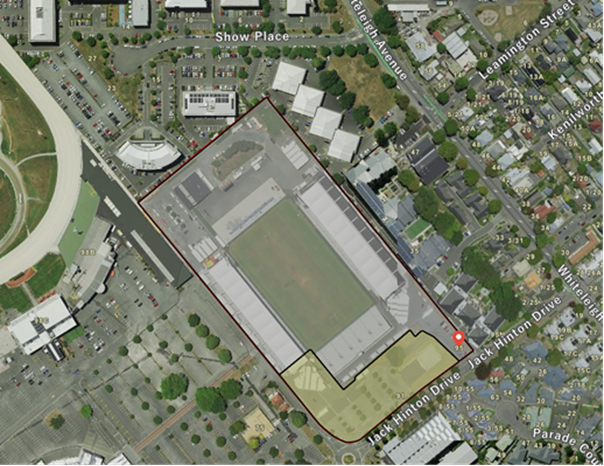
4.5 The temporary stadium is situated at 95 Jack Hinton Drive in
Addington, within a cultural and sports hub which also accommodates Addington
Raceway and Wolfbrook Arena. In the immediate vicinity there are offices,
motels, a retirement village, the Vision College Campus, and residential
properties. There is relatively easy access to the Central City and the
Addington office area, accessed off Show Place (the second biggest commercial
area in Christchurch) and has easy access to transport links.
4.6 It comprises two fee simple titles held and managed by the Council,
totalling 4.93 hectares in area, with a rateable value of $6.6 million:
|
Legal Description
|
Certificate of Title
|
Area (hectares)
|
|
Lot 1 DP 320558
|
81495
|
4.0789
|
|
Lot 2 DP 320558
|
81496
|
0.8485
|
Historical
Canterbury Rugby League and Canterbury Rugby Football Union use of the
site
4.7 The site at 95 Jack Hinton Drive, Addington was first used as the
Canterbury Agricultural and Pastoral (A&P) Showgrounds from 1898 until
1997. The A&P Show relocated to the purpose-built Christchurch Agricultural
Park in 1998.
4.8 The temporary stadium site was first used as a sports ground in 1913
and has hosted many club, Canterbury and NZ
Rugby League fixtures, including the NZ Kiwi internationals in the 50s through to the 1990s. The site was then
known as Rugby League Park.
4.9 In 1993 the site was purchased from Canterbury A&P. Joint
ownership was between Canterbury Rugby League (CRL) and the Council. The total
cost to purchase and develop was $2.4m (including a CRL contribution of
$250,000 and a $150,000 grant from Lotteries).
4.10 In
2002 ownership and maintenance issues relating to Rugby League
Park were resolved with full ownership reverting to the Council. A new lease
for Rugby League Park with CRL was signed in 2005. It remained the base for CRL
until it sustained significant damage during the February 2011 Christchurch earthquake and
was closed until 24 March 2012. After the earthquake, the stands had to be
demolished.
4.11 In
May 2011 the Council was approached by Canterbury Rugby Football Union (CRFU)
to assist in finding an alternative rugby venue to the damaged AMI Stadium at
Lancaster Park until a permanent replacement was constructed. On 22 September
2011 the Council agreed to make Rugby League Park available, with the intention
that the temporary stadium would be removed at the end of its life. Central
government took over from CRFU as the lead agency and formed a trust
(Christchurch Stadium Trust) as the vehicle to own and operate the temporary
stadium.
4.12 In
January 2012 CRL agreed to partially surrender its lease from December 2011
– April 2016 for the operation of a temporary stadium. There were two
further surrenders of lease to extend the use to April 2018, and then a final
expiry date of April 2019.[2]
The Council paid CRL $30,000 per annum, with two opportunities each year for
CRL to utilise the temporary stadium, and other grants from the Council.
4.13 On
25 September 2014 the Council agreed to loan the Christchurch Stadium Trust $2
million to purchase leased temporary seating in order to secure the operation
of the temporary stadium for an extended period up to 31 December 2022.
4.14 In 2014, an investigation was completed by the Council for the home
of Rugby League to be at Canterbury Agricultural Park within the oval, with a
scope developed by CRL and costed at $26.7m. Further work continued to seek a
more appropriate and affordable home ground. In 2017 a decision was made by CRL
for Ngā Puna Wai to be the new home of Rugby League.
4.15 In March 2019 CRL relocated to Ngā Puna Wai. In December 2019
Waihoro Spreydon-Cashmere Community Board approved a full surrender of the
lease.
4.16 In September 2020 legal ownership of the temporary stadium assets
was transferred from the Christchurch Stadium Trust to the Council. Operational
responsibility was transferred to Venues Ōtautahi and the Council Parks
Unit.
4.17 On 28 March 2024 the Canterbury Agricultural and Pastoral
Association (CAPA) agreed that it did not wish to reacquire the stadium land
from the Council. As part of this agreement the Council is not required to
offer to sell the land to CAPA, pursuant to section 40(2) of the Public Works
Act 1981.
5. Temporary Stadium Infrastructure
5.1 The infrastructure that has been used at the stadium includes
temporary structures and portable facilities, including grandstands, seats,
Portacoms, toilet units, light towers, turf covers, equipment and signage,
etc. The value of the current assets is approximately $1.5 million. The
replacement value of the built assets is approximately $25 million.
5.2 As the District Plan area-specific rule requires the removal of the
temporary infrastructure, the Council will need to decommission and dismantle
the structures and consider whether to sell, retain for use on alternative
sites or dispose of it. An Expression of Interest and tender documentation for
decommissioning will be released in mid-2026.
5.3 There is also a lease with the Fencing Institute at the temporary
stadium site. Staff are working through relocation options with the Institute.
6. Proposal to rezone the site
6.1 Staff propose requesting the Minister responsible for Resource
Management Act Reform to use special regulatory powers to rezone the site and
then proceeding with the preparation of a development plan for the site,
informed by engagement with the community and secured through methods that
enable delivery of the plan. The site is zoned OMF, with no underlying zone
i.e. to which the site could automatically revert upon its stadium function
ceasing or not being required for activities otherwise enabled under the OMF
rules. The site also does not have a reserve status under the Reserves Act
1977. Therefore, once the Temporary Christchurch Stadium area-specific rules
cease applying, the general OMF rules will apply to the site, providing for
those activities enabled under its current zoning.
6.2 Activities not anticipated by the OMF rules would need a resource
consent. These would fall into the category of being a discretionary activity
where not otherwise listed in the rules for the OMF zone. For any resource
consent process, this would enable discretion to consider any effects of land
use/ development and the conditions imposed.
6.3 The alternative approach is to change the zoning in the District
Plan, which provides for a range of potential outcomes in terms of use and
development anticipated by the zone, unlike a resource consent for a specific
use/ development.
6.4 Following rezoning of the land, the Council could engage on future
options for use and development of the land consistent with the new zoning,
which can be secured by a development plan (DP) with input through wider
community engagement. Land/asset value can also be better secured through
rezoning. This would provide certainty ahead of any disposal process that a
resource consent application might not. For example, providing an opportunity
for redevelopment of the area for housing, which could provide a higher
revenue of approximately $26m (2021 market valuation based on rezoning to MRZ).
6.5 Rezoning can be achieved by one of the following methods:
6.5.1 standard
plan change process (RMA, Schedule 1, Part 1);
6.5.2 streamlined
planning process (RMA, Schedule 1, Part 5); or
6.5.3 by
the Minister using powers under section 360I of the RMA to make a change which
is not subject to either of those processes.
6.6 Depending on the method used, the time taken could be
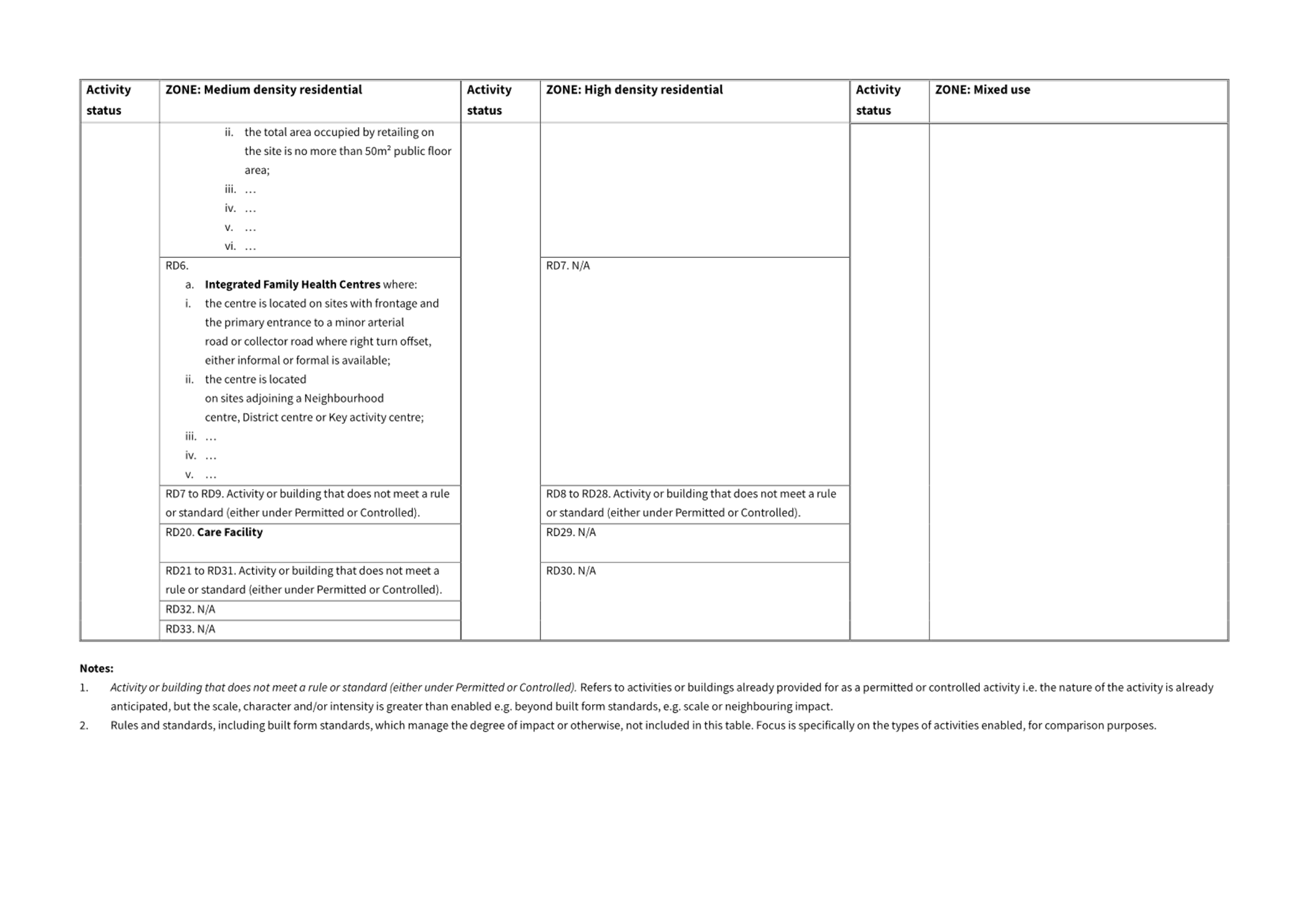
relatively limited. The regulatory powers in section 360I were inserted in the
RMA in August 2025 so are relatively untested. As a consequence, there are
uncertainties about how long it might take. It is possible that it could take
approximately six months dependent on processes required by
the Act and administratively within central government. A standard plan
change takes up to 24 months following notification (the statutory time period
in the RMA).
6.7 Also, for consideration by Council is deciding what zoning to seek,
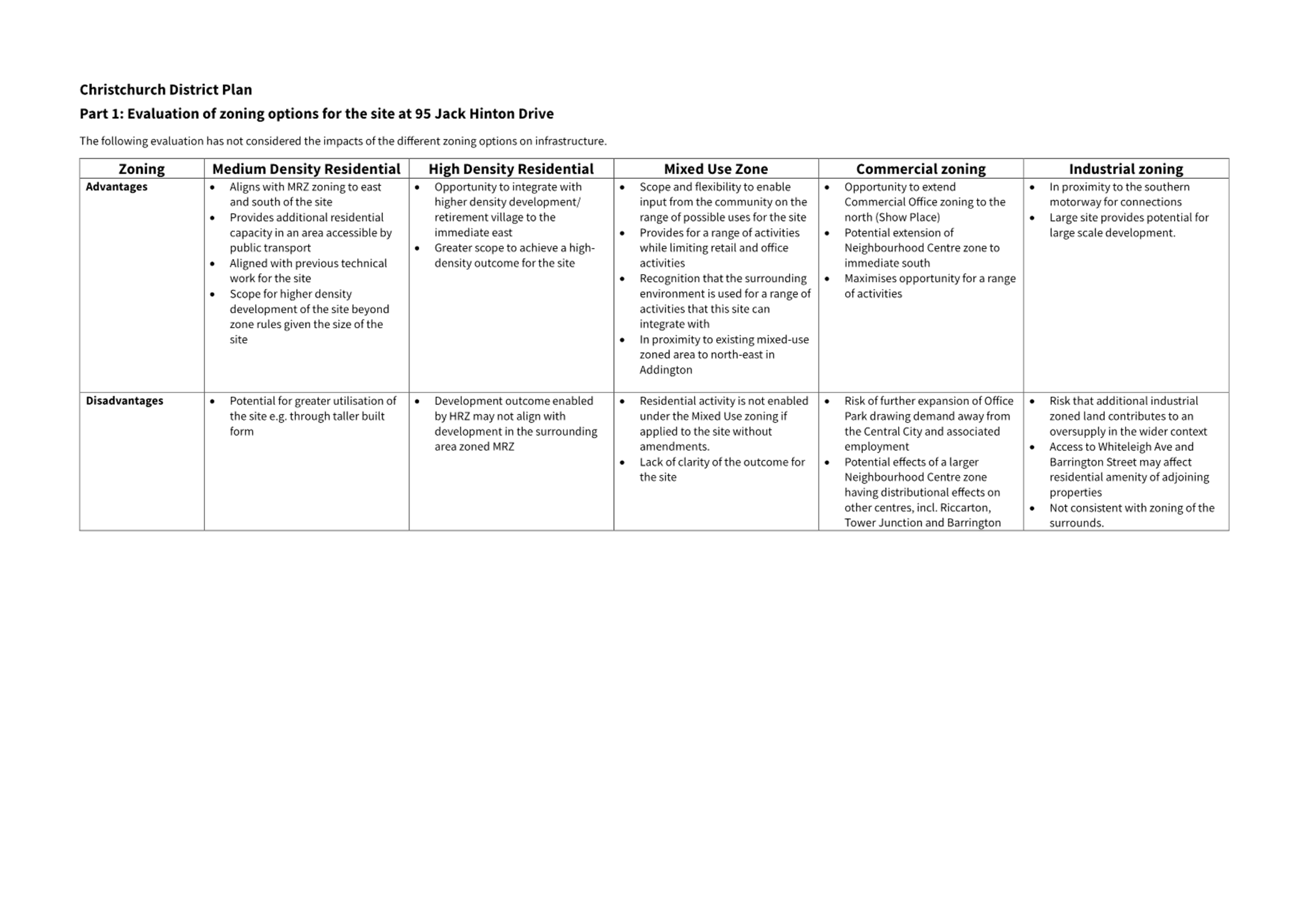
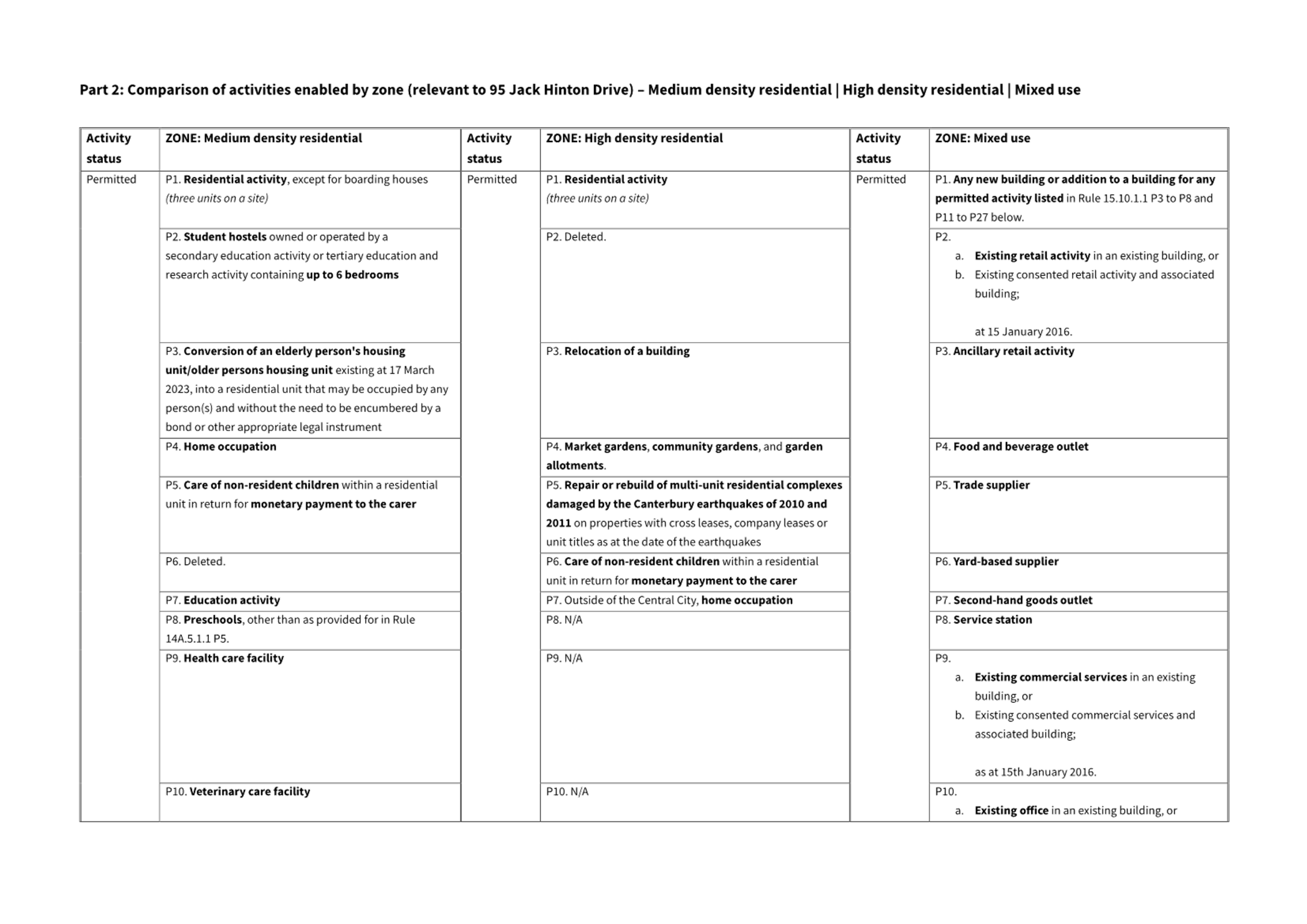
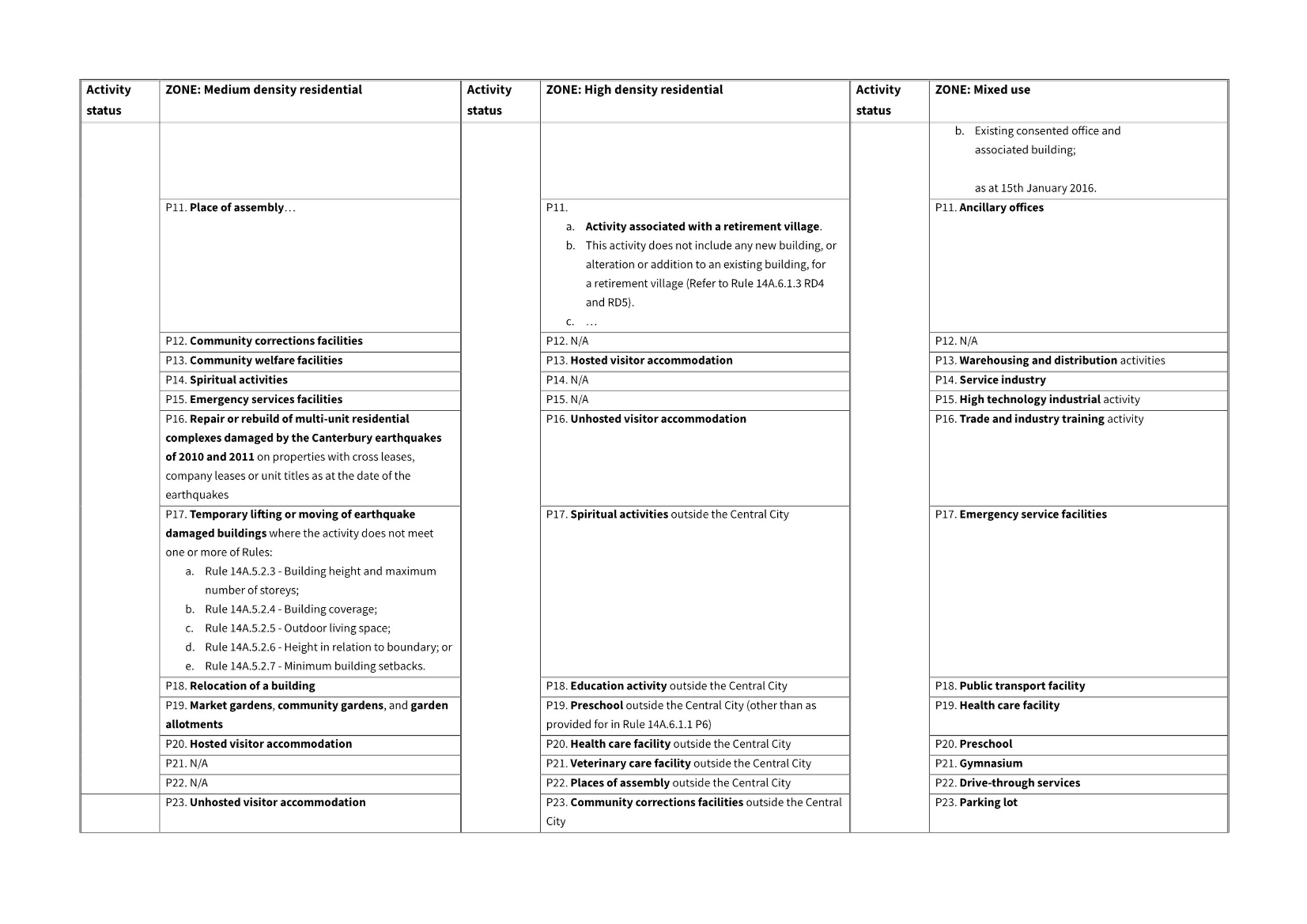
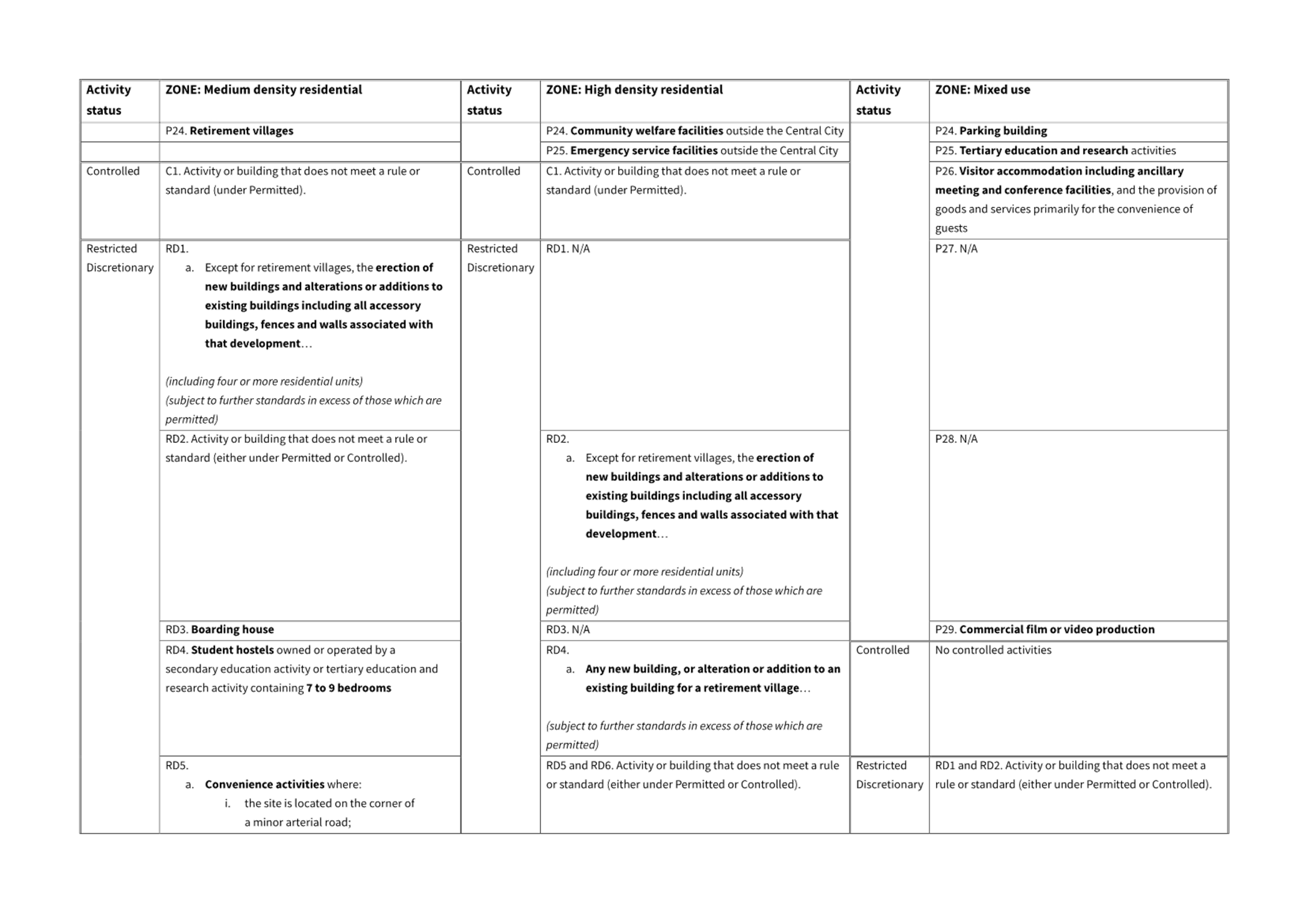
which are evaluated in Attachment A together with an overview of the
activities enabled under the following zones:
6.7.1 Medium
Density Residential (MRZ)
6.7.2 High
Density Residential (HRZ) – enables a high-density form of residential
development
6.7.3 Mixed
Use (MUZ) – Enables a greater range and scale of activities with
limitations on commercial uses.
6.8 Typically, the zoning of a site is considered in the context of the
zoning in the surrounds. In this context, there is –
6.8.1 Medium
Density Residential (MRZ) to the north-east and south-east,
6.8.2 Commercial
Office (CO) zone to the north,
6.8.3 Neighbourhood
Centre zone (NCZ) to the south-east, and
6.8.4
Open Space Metropolitan Facilities Zone (OMF) to the west (with underlying
zoning of Residential Suburban Density Transition (RSDT)).
6.9 The recommended zoning of the site is Mixed Use on the basis
that it provides the scope and flexibility for a range of uses, with the
introduction of a new rule to enable residential activity on the site. This
would support different outcomes for the site that could be later tested
through community engagement and secured through a development plan. The effect
would be that it facilitates an open conversation with the community with no
commitment to a predominately residential and/or mixed-use development at this
time.
6.10 In this context, Mixed Use zoning is a starting point while
recognising the mix of activities, development and zoning of the surrounding
environment. The Council could sell the two lots as a whole or subdivide
further.
Development Plan (DP)
6.11 After zoning the land, a development plan is intended to guide
development outcomes for the site and add value. It is a necessary step to
ensure quality of place and supporting integration with the surrounding
environment and community.
6.12 Specific outcomes for the site, including land uses and the scale
and form of any development could be later defined through a Development Plan
after community feedback and further technical work.
6.13 Following rezoning and while still in the ownership of the Council,
officers propose preparing a Development Plan, which would also be informed by
feedback on the future of the site e.g. consultation on whether to dispose of
the land, which in turn would be used to secure site outcomes as identified
through that process.
6.14 The
combined approach of an expedited process for rezoning the site and subsequent Development Plan would satisfy time and land value
imperatives, as well as addressing likely community expectations that they be
involved in deciding the future of this land. This process
should follow rezoning.
6.15 The following related information session/workshops have taken place
for the members of the meeting. Feedback from these workshops included plan
change options for disposal with rezoning; the potential to request the
Minister to fast track the rezoning, planning opportunities to retain
greenspace and engagement with the community:
|
Date
|
Subject
|
|
25 November 2025
|
Council PX workshop – Future of
Council Land
|
|
26 February 2026
|
Waihoro Spreydon-Cashmere- Heathcote
Community Board - PX workshop Future of Council Land
|
|
15 April 2026
|
Council PX workshop – Future of
Council Land
|
Options Considered Ngā Kōwhiringa Whaiwhakaaro
6.16 The following reasonably practicable process options are considered
and assessed in this report:
6.16.1 request
the Minister to use powers under section 360I RMA to rezone
6.16.2 standard
plan change process
6.16.3 streamlined
planning process (RMA, Schedule 1, Part 5)
6.16.4 do
not rezone at this time
6.17 Attachment A also includes consideration
and assessment of the following zoning options:
6.17.1 Medium
Density Residential (MRZ)
6.17.2 High
Density Residential (HRZ)
6.17.3 Mixed
Use zone (MUZ) - Recommended
6.17.4 Commercial
zoning
6.17.5 Industrial
zoning.
Options Descriptions Ngā Kōwhiringa
6.18 Preferred Option: request the Minister to use powers under section
360I RMA to rezone.
6.18.1 Option
Description: under this option the Council will request Ministerial
intervention under 360I of the RMA. The Minister investigates whether rezoning
meets the criteria in the RMA and provides a report to Council, following which
the Council responds. The Minister consults affected parties and if satisfied
with the proposal, arranges a Regulation that changes the District Plan without
going through the standard RMA process.
6.18.2 Option
Advantages
· Expedites
the rezoning of the site and offers immediate certainty – likely a
six-month process.
· Subject
to logistics, could seek change before 2026 election.
· Opportunity
for feedback by those likely to be affected under s360L of the RMA.
· Little
financial impact to the Council relative to the other options.
· Reduced
staff resourcing to implement the change.
· Enables
testing by the Minister and for any decision-making according to Cabinet rules.
· Retains
the opportunity for community input to the future outcomes of the site to
inform a Development Plan for the site.
· No
appeal rights as provided for under standard plan change process.
6.18.3 Option
Disadvantages
· The
November 2026 general election potentially provides an endpoint to that process
dependent on any subsequent priorities of government, noting that the s360I
powers are temporary. The section will no longer exist after December 2027.
· The
Development Plan will not be decided at the same time as the rezoning.
· Wider
public involvement likely to be limited.
· Limited
involvement of experts to ensure an evidential basis for decision-making.
· Removal
of Council’s decision-making over the appropriate zone – the
Minister might decide that a different zone is better.
· No
appeal rights by the Council or other stakeholders.
6.19 Option 2: Standard plan change process
6.19.1 Option
Description: Under this option, the Council would initiate a plan change
using standard processes under Schedule 1, Part 1 of the RMA. Staff would
include this site in the Council’s proposed Plan Change 20/PC Rezoning
exemption application which is subject to a separate decision of Council.
6.19.2 This
option would be dependent on the Minister approving an exemption for the plan
change to progress.
6.19.3 Option
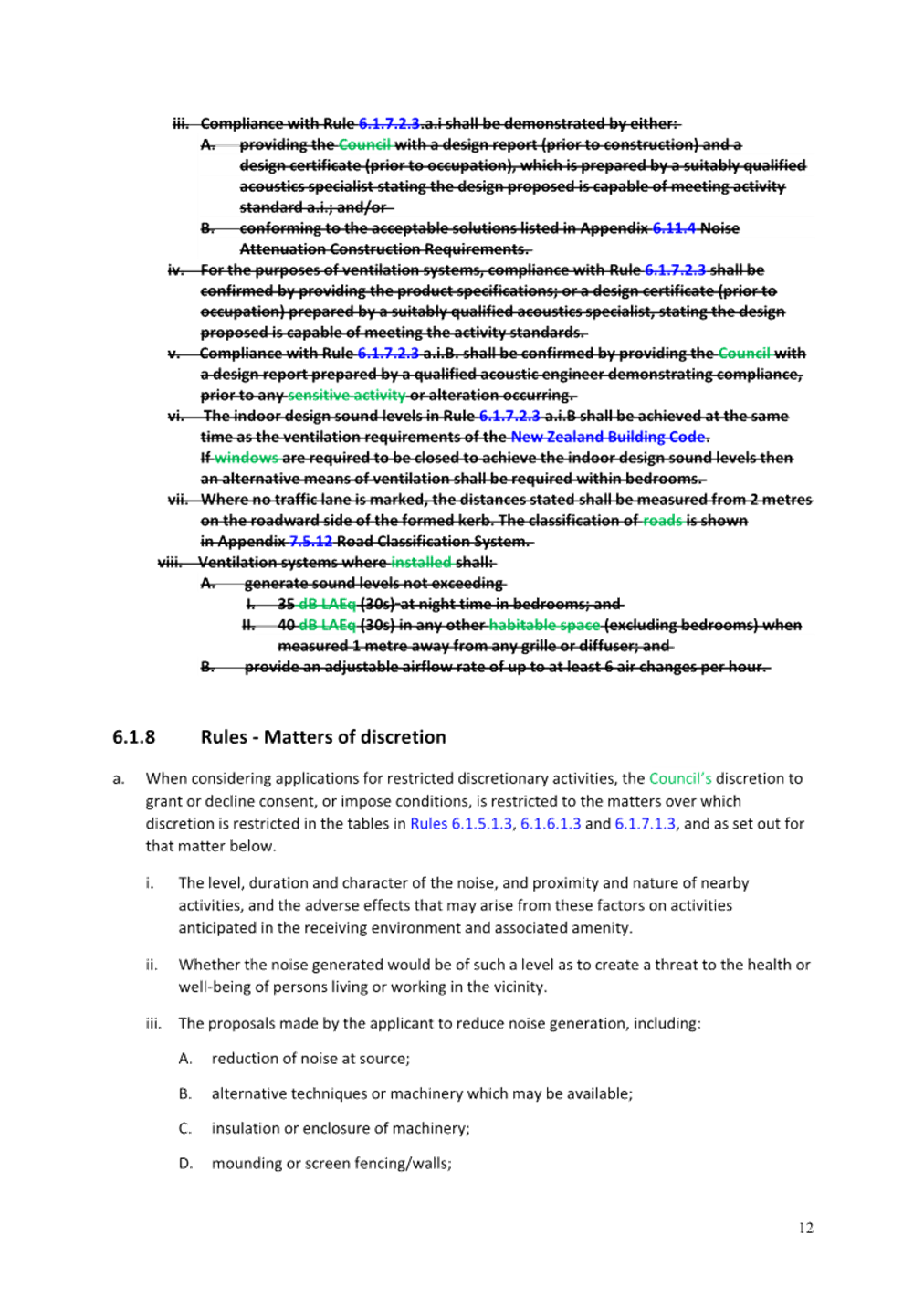
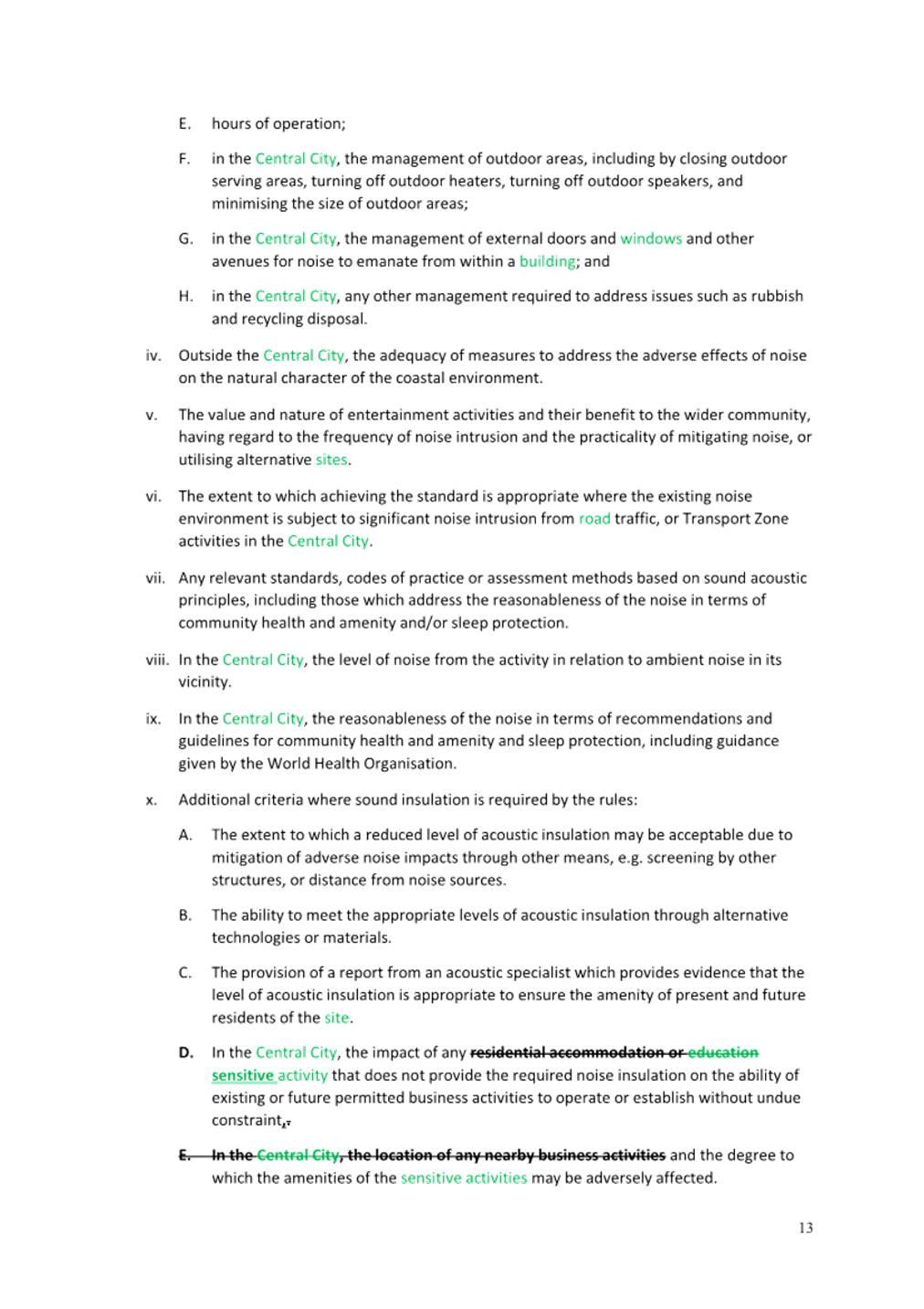
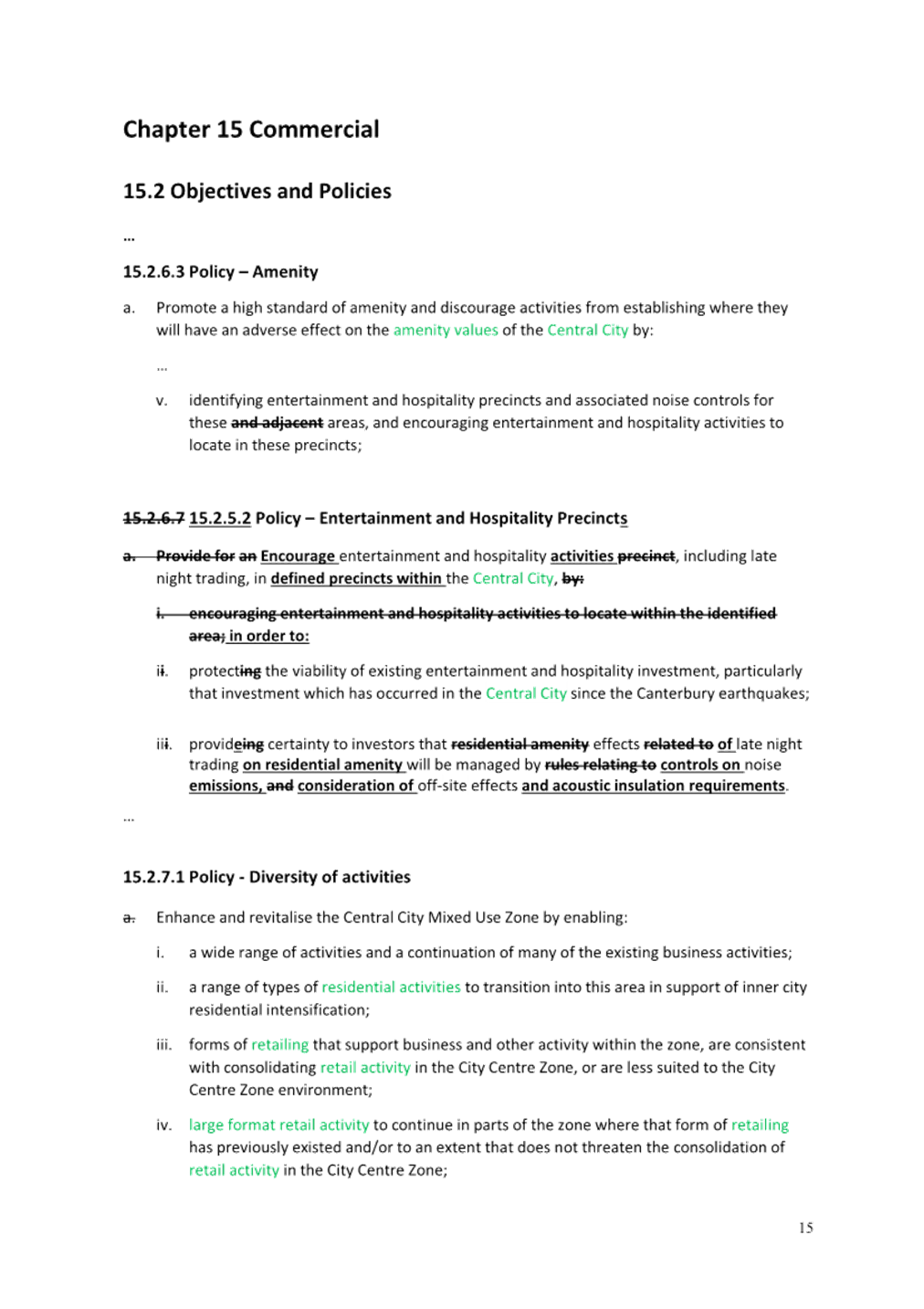
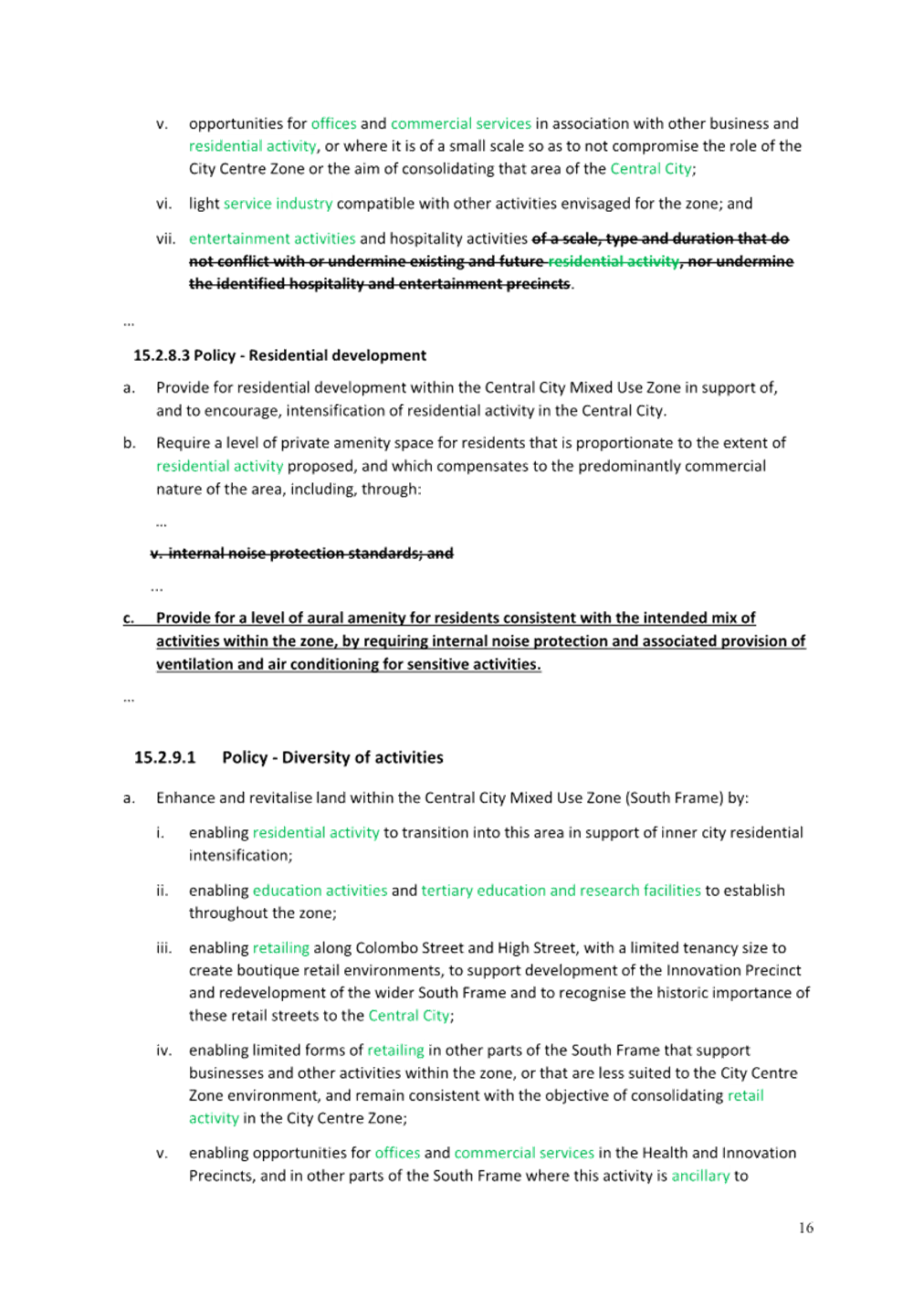
Advantages
· The
Council could develop the ODP and any specific rules for inclusion in the plan
change for rezoning the site to MRZ, enabling integration with existing
District Plan rules.
· Consultation
with the public is undertaken as part of the statutory process by way of
submissions and participation at a hearing.
· The
merits of the change and ODP are robustly tested as part of a statutory
process.
· The
Council is the decision-maker on notification of the plan change and final form
of the provisions, within the constraints arising from use of an independent
hearings panel.
6.19.4 Option
Disadvantages
· Longest process –
can take up to 24 months (two years) following notification (the maximum
statutory time period in the RMA).
· Financial
costs to the Council, including costs of any appeal.
6.20 Option 3: Streamlined planning process
6.20.1 Option
Description: Under this option, the Council would initiate a plan change
using the streamlined processes under Schedule 1, Part 5 of the RMA.
6.20.2 This
option would be dependent on the Minister approving a streamlined planning
process for the plan change to progress.
6.20.3 Option
Advantages
· Faster
process than Option 2 (Standard plan change process).
· The
Council could develop the ODP and any specific rules for inclusion in the plan
change for rezoning the site to MUZ.
· The
scope and nature of process as defined by the Minister (subject to minimum
requirements), provides a streamlined pathway to achieving the zoning.
· Likely
reduced financial cost to the Council compared with Option 2 (Standard Plan
Change process).
6.20.4 Option
Disadvantages
· Streamlined
process enables a slightly faster rezoning process – between 12 and 18
months.
· Removal
of the Council’s decision-making powers.
6.21 Option 4: Do not rezone at this time
6.21.1 Option
Description: Under this option, the Council would not progress a plan
change to rezone the site at this time.
6.21.2 Option
Advantages
· The
community could be consulted on preferred options for the future use of the
site before any rezoning decisions are made.
6.21.3 Option
Disadvantages
· Timeframes
to consult would restrict the request for the Minister to use powers under
s360I of the RMA, due to the upcoming general election.
Analysis Criteria Ngā Paearu Wetekina
6.22 In determining the appropriateness of the options, consideration was
given to:
6.22.1 The
timeframe for the process of rezoning the site.
6.22.2 Costs
of the process for the Council.
6.22.3 The
opportunity for community input to inform outcomes for the site.
6.22.4 Robustness
of the process of rezoning the site.
6.22.5 The
Council’s role in the process of rezoning.
7. Financial Implications Ngā Hīraunga Rauemi
Capex/Opex Ngā Utu Whakahaere
|
|
Recommended Option
Request use of 360I
|
Option 2 – Standard PC process
|
Option 3 – Streamlined Planning Process
|
Option 4 – Do not rezone
|
|
Cost to Implement
|
Staff
time - Low
|
Staff
time + Consultants, Commissioner(s)
|
|
|
Maintenance/Ongoing Costs
|
Nil
|
Nil
|
Nil
|
Nil
|
|
Funding Source
|
Planning
& Strategic Transport budget
|
|
|
Funding Availability
|
Within
existing budget for Plan Change programme
|
|
|
Impact on Rates
|
No
additional impact on rates beyond existing
|
|
7.1 Cost
to implement – The cost to implement the proposed plan change of rezoning
the site and development of a Development Plan is anticipated and within the
existing programme of plan changes.
7.2 Rezoning
will enable a greater range of options for future uses of the site. Financial
details for those options will be brought to the Council at a later date.
8. Considerations Ngā Whai Whakaaro
Risks and Mitigations Ngā Mōrearea me
ngā Whakamātautau
8.1 There
is a risk that the Minister ultimately decides on an outcome different to what
is requested by the Council that is not aligned with the outcomes sought. This
could be managed through clearly defining what the Council is seeking and for
feedback to the Minister on his investigation.
8.2 There
is also a risk that the time period for a decision by the Minister is longer
than anticipated due to other priorities emerging for the Minister/ Parliament.
If delayed and not decided on before the November elections, any use of the
Minister’s powers under s360I will be dependent on priorities of the
incoming government.
Legal Considerations Ngā Hīraunga
ā-Ture
8.3 Statutory
and/or delegated authority to undertake proposals in the report:
8.3.1 The
Minister has the ability under section 360I of the RMA to arrange a regulation
to change the District Plan. The Council has the ability to ask the Minister to
use that power.
8.4 Other Legal Implications:
8.4.1 The
comparison of the legal routes to change the District Plan is in this report.
8.4.2 The
criteria in the RMA for the Minister deciding to change the District Plan using
s360I are that the Minister must be:
(a) Satisfied
that the provisions do not have a negative impact on economic growth,
development capacity, or employment; and
(b) Satisfied that the following criteria
are met:
(i) the provisions have not been included
in a policy statement or plan in recognition of an obligation or a right under
a Treaty settlement, the Marine and Coastal Area (Takutai Moana) Act 2011,
Ngā Rohe Moana o Ngā Hapū o Ngāti Porou Act 2019, or a Mana
Whakahono a Rohe or joint management agreement; and
(ii)the modification or removal of the
provisions of the policy statement or plan does not prevent the policy
statement or plan from giving effect to a national policy statement; and
(iii)the modification or removal of the
provisions of the plan does not make the plan inconsistent with a national
environmental standard.
8.4.3 Nothing
in the RMA requires the Minister to do anything in response to the
Council’s request that he use that power. It is wholly at the
Minsiter’s discretion whether to even investigate it.
8.4.4 If
the Minister does decide to investigate it and create a report, there is no
statutory timeframe for doing so. The Minister must publicly notify the report
and invite the Council to provide comments on it. The Minister is required to
consult with people (how widely is at the Minister’s discretion).
8.4.5 As
the power in the RMA is new, there is little guidance available on whether or
how the Minister will use it.
Strategy
and Policy Considerations Te
Whai Kaupapa here
8.5 The
required decisions:
8.5.1 Align
with the Christchurch
City Council’s Strategic Framework.
8.5.2 Are
assessed as medium significance based on the Christchurch City Council’s
Significance and Engagement Policy. The level of significance was
determined by the proposed plan change processes to enable future uses of the
site, public interest in a high-profile site, and the temporary stadium no
longer being required.
8.5.3 Are
consistent with the Council’s Plans and Policies. In
particular, the District Plan.
8.6 This
report does not supports the Council's
Long Term Plan (2024 - 2034).
Community
Impacts and Views Ngā Mariu ā-Hāpori
8.7 The
Minister’s use of powers under s360I is subject to consultation with
those parties likely to be affected by the change. Beyond the rezoning, there
is the opportunity for consultation with the wider public to inform a
Development Plan that defines outcomes for the site, reflecting the high level
of community interest in a public asset that has a long history in the city.
This could follow the rezoning as it is within the Council’s ability to
do with a level of control while it retains ownership of the land.
8.8 The decision affects the following wards/Community Board areas:
8.8.1 Spreydon-Cashmere-Heathcote
Community Board. The temporary stadium is located in the Spreydon Ward.
8.9 The
Community Board view is for the community to have a
say on the outcomes for the future development of the site, which can be done
through a subsequent process including preparation of a Development Plan.
Impact
on Mana Whenua Ngā
Whai Take Mana Whenua
8.10 The
decisions do not involve a significant decision in relation to ancestral land,
a body of water or other elements of intrinsic value, therefore this decision
does not specifically impact Mana Whenua, their culture, and traditions.
8.11 The
decision does not involve a matter of interest to mana whenua and will not
impact on our agreed partnership priorities with Ngā Papatipu
Rūnanga. Any future public consultation will provide an opportunity for
mana whenua to provide input.
8.12 The
land was owned by CAPA prior to the Council taking ownership. Therefore, there
is no right of first refusal to Ngāi Tahu. This has been confirmed by
Ngāi Tahu legal advisors in 2021.
Climate
Change Impact Considerations Ngā Whai Whakaaro mā te Āhuarangi
8.15 The proposals in
this report are unlikely to contribute significantly to adaptation to the
impacts of climate change or emissions reductions. The decisions in this report
relate to process. The climate change implications of any land use decisions in
future reports will be considered at that time.
9. Next Steps Ngā Mahinga ā-muri
9.1 If
the Committee agrees to the recommendations in this report, staff will draft a
letter to send to the Minister requesting that he investigates amending the
zoning of the Addington stadium site to Mixed Use in the Christchurch District
Plan.
9.2 Staff
will continue work to inform a Development Plan for the site, guided by the
Committee’s decision on zoning of the land and wider consultation with
the public.
Attachments Ngā Tāpirihanga
|
No.
|
Title
|
Reference
|
Page
|
|
a ⇩ 
|
Evaluation of
zoning options and overview of activities enabled
|
26/882718
|
30
|
In addition to the attached documents, the following background
information is available:
|
Document
Name – Location / File Link
|
|
Not
applicable
|
Signatories Ngā Kaiwaitohu
|
Authors
|
Libby Elvidge
- Principal Advisor Citizens & Community
Mark Stevenson
- Head of Planning & Consents
Nigel Cox -
Head of Recreation, Sports & Events
Brent Pizzey -
Senior Legal Counsel
Darren
Bridgett - Team Leader City Planning
|
|
Approved By
|
Nigel Cox -
Head of Recreation, Sports & Events
Rupert Bool -
Head of Parks
Mark Stevenson
- Head of Planning & Consents
John Higgins -
General Manager Strategy, Planning & Regulatory Services
Andrew
Rutledge - General Manager Citizens and Community
|
|
8. Approval
to Notify Plan Change 21 - Central City Noise
|
|
Reference Te Tohutoro:
|
26/474430
|
|
Responsible Officer(s) Te Pou Matua:
|
Darren
Bridgett, Team Leader City Planning
Liz White, Consultant Planner
|
|
Accountable ELT Member Pouwhakarae:
|
John
Higgins, General Manager Strategy, Planning & Regulatory Services
|
1. Purpose and Origin of the Report Te Pūtake Pūrongo
1.1 The
purpose of this report is to seek approval to publicly notify Plan Change
21 – Central City Noise (PC21).
1.2 This follows on from the Council’s resolution in
April 2023 to commence a plan change process to the District Plan,
including an evaluation of options for managing the effects of noise in the
Central City. This was in response to concerns over conflicts arising
between new residential activities and established music venues, and subsequent
informal engagement on identified options.
1.3 Following public notification of the plan change, submissions are
invited and a hearings panel hears and considers those submissions and other
evidence. Recommendations from the panel are then considered by the
Council. If adopted by the Council, the plan change becomes part of
the Christchurch District Plan.
2. Officer Recommendations Ngā
Tūtohu
That the Policy and
Planning Committee:
1. Receives the information in the Approval to Notify Plan Change
21 - Central City Noise Report.
2. Notes that the decision in this report is
assessed as medium significance based on the Christchurch City Council’s
Significance and Engagement Policy.
3. Approves the public notification of Plan
Change 21 – Central City Noise and its associated Section
32 evaluation report, pursuant to Schedule 1, Clause 5 of the
Resource Management Act, as provided in Attachments A and B of this report.
4. Authorises the Head of Planning and
Consents to make any necessary corrections or amendments to Proposed Plan
Change 21 or to the evaluation report and appendices, until the date
of notification.
3. Executive Summary Te Whakarāpopoto Matua
3.1 Plan
Change 21 – Central City Noise is intended to address issues that
have arisen in relation to the management of noise in
the Central City. In particular, it seeks to provide
for a noise management framework that reflects a vibrant inner-city
environment, filled with a diverse range of activities. This requires a careful
and balanced approach to be taken to providing for music and hospitality
venues, which by their nature generate higher levels of noise, while continuing
to provide increased opportunities for residential living, which can
be sensitive to noise.
3.2 The
current approach is based on 3 precincts (Categories 1, 2 and 3) within which
there are different permitted noise levels, with the highest in Category 1.
There are also acoustic insultation requirements in some areas for new
sensitive activities, depending on zoning and location. A ‘preferred
approach’ was consulted on between 25 June to 3
August 2025, which proposed to significantly expand the Category 1 & 2
precinct boundaries to essentially align the boundaries with existing
insulation requirements, and increase noise limits for music and
hospitality venues in both these precincts, relative to the insulation levels
required.
3.3 Feedback
was received from 1,429 parties (33 organisations and 1,396
individuals). The majority of feedback (87%) supported the proposed
plan change overall.
3.4 As
a result of this feedback, and further consideration of
the zoning outcomes sought within the Central City, Council
Officers now recommend amendments to the draft Plan
Change to reduce how far Category 1 and Category 2
precincts are expanded in some areas, particularly
in established residential neighbourhoods. These are detailed
further at paragraphs 4.9 – 4.12 of this report, but generally seek
to minimise impacts on established residential neighbourhoods, reflect
practical limitations, and ensure noise limits align with the current level of
noise insulation required.
3.5 The
Category precincts recommended are shown in the map in Attachment
C, and the changes recommended from the previous preferred approach are
shown in the map in Attachment D. In order to assist the
Committee in understanding how the changes impact on venues and
residential activities, a summary table is also provided in Attachment
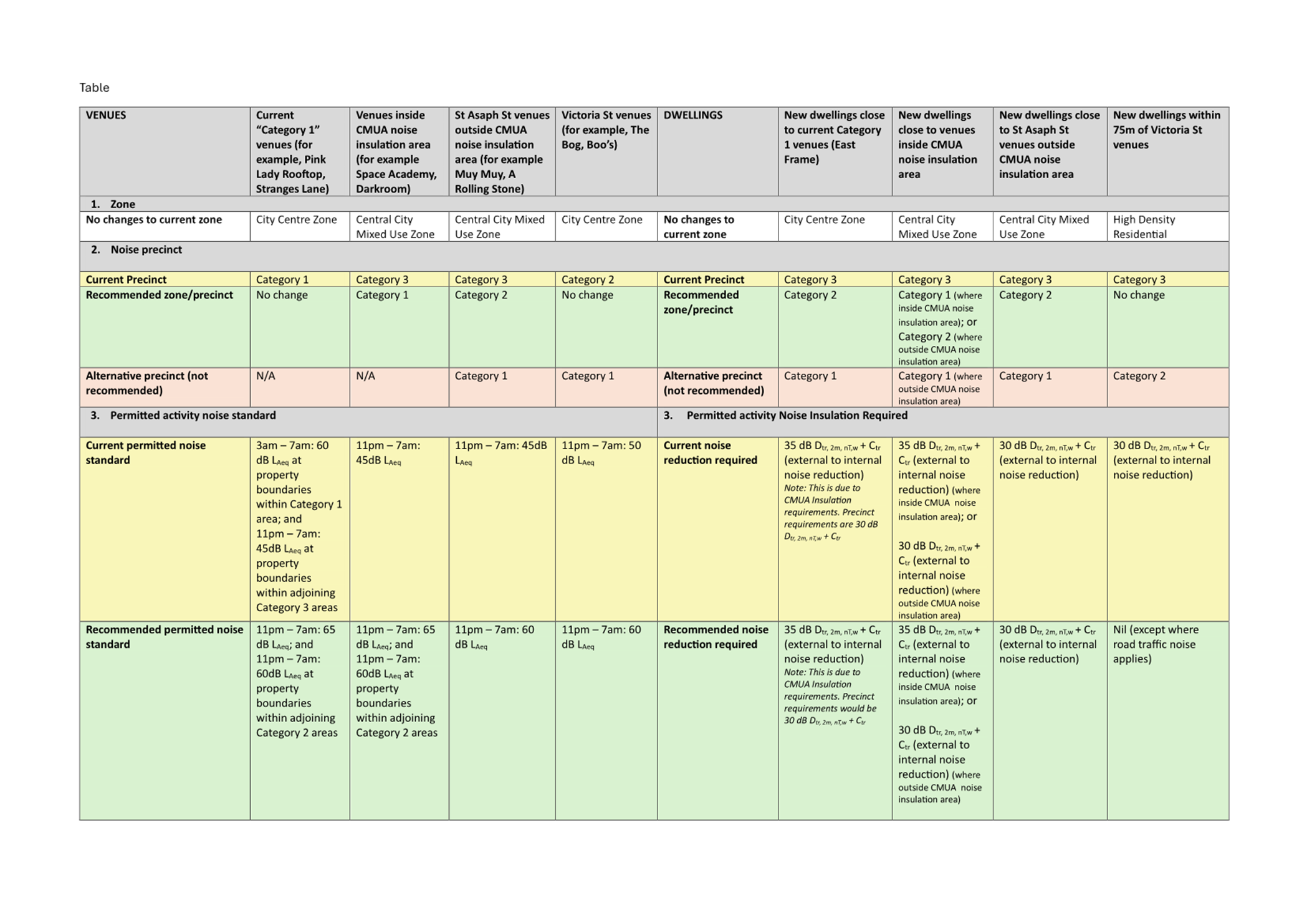
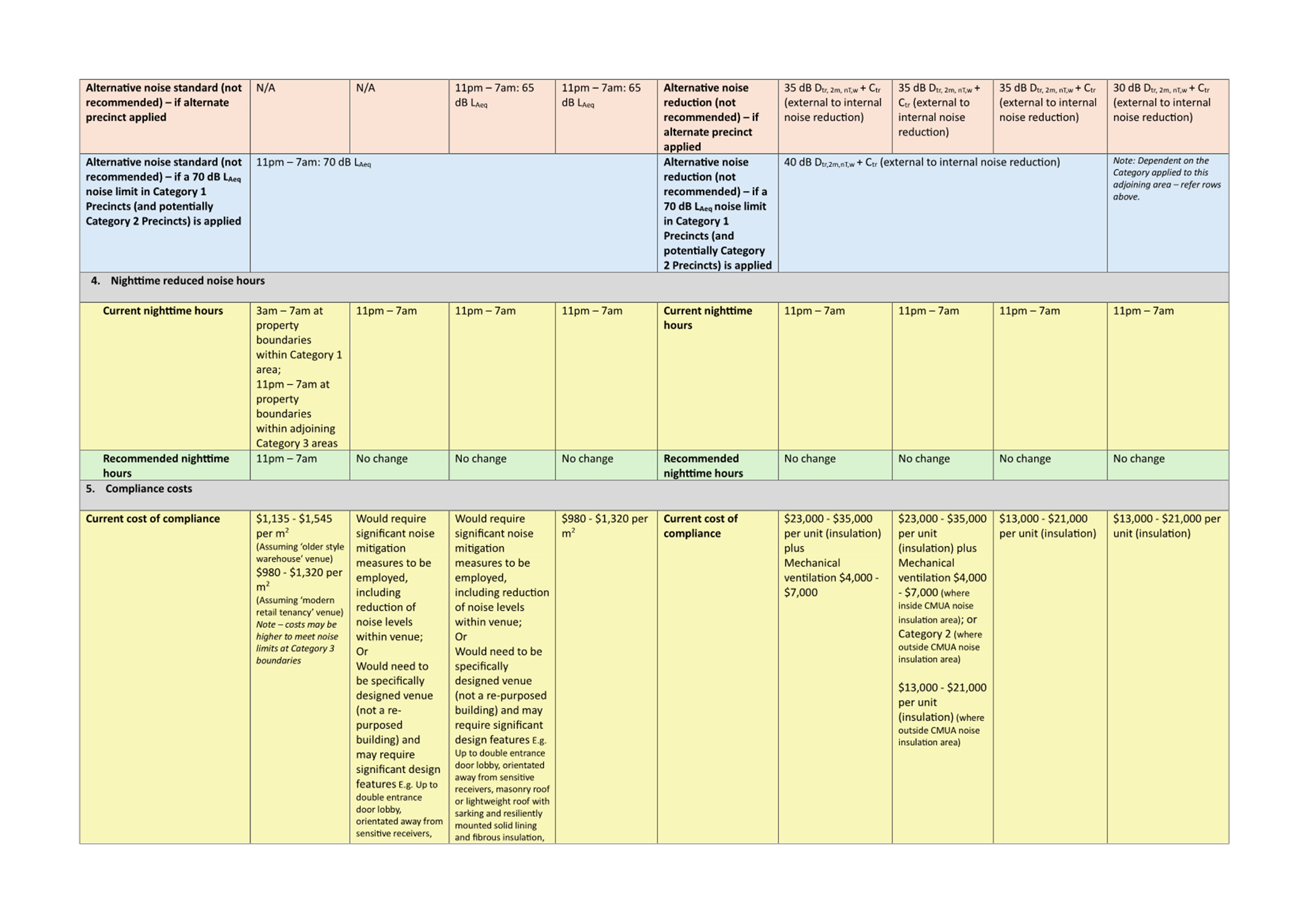
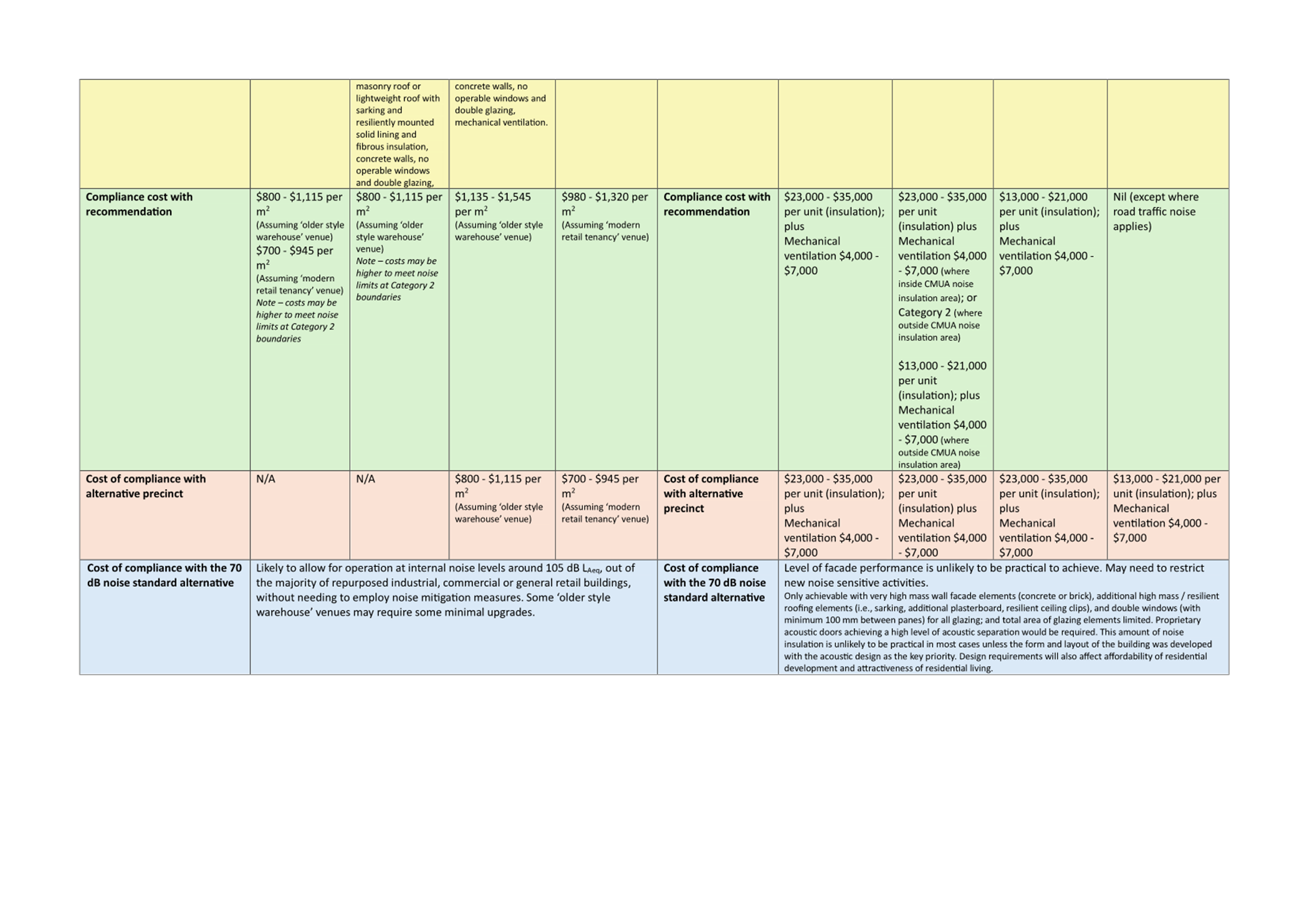
E. This sets out some example areas, the
current noise management regime applying, the recommended approach, and
alternate options that have been considered. This is essentially
a high-level summary of the s32 evaluation report, using specific example
areas.
3.6 Other aspects of the preferred approach are recommended
to be retained in proposed Plan Change 21, including the proposed increases to noise limits in Category 1 and 2
precincts, along with rationalising the approach to noise insulation
requirements and adding a requirement for mechanical ventilation where noise
insulation is required within the Central City.
3.7 During
the engagement period, the government announced its intention to introduce
legislation to require councils to stop work on most
plan changes. The Council has received an exemption allowing PC21 to
progress to notification. This will allow for further testing of the
proposed approach through the formal submission and hearing process.
4. Background/Context Te Horopaki
4.1 The
Council resolved in April 2023 to commence preparation of a plan
change to the District Plan, including an evaluation of options for managing
the effects of noise in the Central City. This followed on from concerns being
raised with the Council over conflicts arising between new residential
activities and established music venues as well as various petitions and
surveys indicating a level of support for increasing noise
limits, particularly in relation to live music and hospitality
venues.
4.2 Key issues identified by
staff included conflicts arising (including the potential for
reverse sensitivity effects) regarding noisy activities and residential
activities in the Central City, particularly in mixed use zones; noise limits
being too restrictive for music venues established in
locations outside of Category 1 and 2 precincts, (being defined
spatial areas where respectively higher levels of noise are permitted),
requiring costly acoustic insulation and/or limiting their hours of
operation; and some noise sensitive activities not having
sufficient noise insulation to adequately mitigate higher noise
levels.
4.3 During
2023 and 2024, City Planning staff were heavily involved in Plan Change 14,
Housing and Business Choice, which was prioritised over the Central City noise
plan change. On 27 May 2025, staff presented plan change options to the Council
to address the key issues, including a preferred option. Of the various options
identified and considered, the recommended approach was to:
4.3.1 Retain the current category-based precinct approach to
managing noise, while also:
· expanding the precinct areas (Category 1 and Category 2)
where higher limits are provided, and
· increasing the noise limit for music and hospitality venues in these
categories (respective to each category).
4.3.2 Retain the existing noise insulation requirements for activities
sensitive to noise in these areas, with the precinct boundaries and
noise limits generally aligned to these existing
requirements.
4.4 Following the presentation of options to Council, a
drop-in session for councillors was held on 4 June 2025. As a result
of the feedback received (outlined in a memo circulated to elected
members on 12 June 2025), the preferred option for
engagement was adjusted to include additional areas in St Asaph Street
and adjacent to Fitzgerald Avenue within the orange Category
1 precinct.
4.5 Informal public engagement on the options took place between June
and August 2025. Consultation feedback was presented to the Council
at a workshop on 9 September 2025. At a high level, this included:
|
Question
|
Yes
|
Somewhat
|
No
|
Don’t Know
/ Not Sure
|
|
Overall, do you support
the proposed Plan Change?
|
87%
|
5%
|
7%
|
1%
|
|
Do you think we've got the category locations right?
|
86%
|
7%
|
6%
|
|
|
Do you think we've got the noise limits and insulation
requirements right?
|
81%
|
9%
|
9%
|
|
4.6 While there was overwhelming support for the direction of the draft
proposal, key reasons that some submitters opposed the draft
proposal or aspects of it, were:
· The noise limits are too
low/should be increased further (107)
· It will affect the quality of life/comfort of central city residents
(62)
· Residents were there first and/or should be prioritised (40)
· Increased noise will affect the health of central city residents
(29)
· It could have negative impacts on existing live music venues (the
rules aren’t enabling enough, confusion about the current rules
in place, the cost of soundproofing for venues etc) (23)
· Perception that increased noise leads to more antisocial
behaviour (20)
4.7 Various
additional areas were requested to be added to the Category 1 (or Category 2)
precinct, but the majority of these are located outside the Central City and
therefore outside the scope of the area the Plan Change relates to. Excluding
these, additional requests included:
· Including
all areas within the Four Avenues in either Category 1 or having no noise limit
(8)
· St
Asaph Street (5)
4.8 The most common responses that submitters suggested should
not be included in the Category 1 or 2 precinct were:
· The area around Victoria Street (31) including Salisbury, Beveridge,
Conference, Peacock, Peterborough, Dublin Streets
· The residential East Frame neighbourhoods (6)
· St Asaph Street (4) and Welles Street (2)
4.9 Changes to the proposal in response to engagement
4.9.1 Following
the feedback received from engagement on the preferred approach, Council
Officers recommend the following refinements to boundaries of the Category 1
and Category 2 precincts to better consider zonings and existing residential
activities. These are as follows, and are also shown in the map in Attachment D:
4.9.2 Change
1: Retaining the current Categories in the Victoria Street area (generally being Category 2 for the City Centre Zone (CCZ) and
Category 3 for the High Density Residential Zone (HRZ) and Residential Visitor
Accommodation Zone (RVAZ) areas), but applying Category 2 to those areas
adjoining the current Category 2 zone which are zoned CCZ or Central City Mixed
Use (CCMUZ).The previous preferred approach was to apply Category 1 to the
current Category 2 areas; and Category 2 to areas within 75m of this; and
4.9.3 Change 2: Retaining the current Category 3 (rather than
Category 1) applying to the areas zoned HRZ and
RVAZ which are located within the Canterbury Multi Use Arena
Inner and Outer Noise Insulation Areas; and
4.9.4 Change 3: Applying Category 2 (rather than Category 1) to a buffer area to the northeast of the stadium (generally being
the Barbadoes/Hereford/Cashel/ Fitzgerald and Cashel/Clarkson/Lichfield blocks
within the Canterbury Multi-Use Arena Inner and Outer Noise Insulation Areas
which is currently Category 3); and
4.9.5 Change 4: Applying Category 2 (rather than Category 1) to the East Frame area (being the current Category 3
area located within the CMUA Inner and Outer Noise Insulation
Areas which is between Madras and Manchester Streets); and
4.9.6 Change
5: Not including the additional areas in St Asaph Street and out
towards Fitzgerald Avenue in Category 1, but in Category 2 (noting they are currently Category 3).
4.10 The
reasons for these changes are:
4.10.1 Change 1: Victoria Street area:
· It responds to submitter concerns that increased noise limits in
that area would negatively affect established residential activities. Further,
it takes into account the high volume of noise sensitive activities established
in this area before noise insulation requirements applied, which would not be
adequately protected from higher noise levels; and
· It
better reflects that entertainment activities are not permitted in the HRZ and
RVAZ, and therefore unlike in other zones, a higher noise limit would do little
to provide for these activities in these zones; and
· It reflects that applying Category 1 to the ‘spine’ of
Victoria Street would be unlikely, in practice, to allow for higher noise
levels, because of the need for venues in this narrow area to meet the lower
noise limits applying at the boundary with adjoining HRZ/RVAZ
sites.
4.10.2 Change 2: Applying Category 3 to the areas zoned HRZ or RVAZ
within the CMUA Inner and Outer Noise Insulation Areas:
· It better considers the high volume of noise sensitive
activities established in this area before noise insulation
requirements applied which would not be adequately protected from higher noise
levels; and
· It
better reflects that entertainment activities are not permitted in the HRZ and
RVAZ, and therefore unlike in other zones, a higher noise limit would do little
to provide for these activities in these zones.
4.10.3 Change 3: Applying Category 2 to the Barbadoes/ Hereford/
Cashel/ Fitzgerald and the Cashel/ Clarkson/ Lichfield/ Fitzgerald
blocks within the CMUA Inner and Outer Noise Insulation Areas:
· It
better considers that there are a number of noise sensitive activities which
established in this area before noise insulation requirements applied which
would not be adequately protected from higher noise levels; and
· It provides a buffer or transition between the Category 1 and
Category 3 areas in this location.
4.10.4 Change 4: Applying Category 2 to the east frame area between
Madras and Manchester Streets within the CMUA Inner and Outer Noise Insulation
Areas:
· It reflects that there is a high concentration of residential
activities in this area, and many have
only been required to insulate to adequately mitigate noise
of up to 60 dB LAeq (i.e. they
were established before the CMUA noise insulation areas were put in
place); and
· Given the recently established uses in this area,
there is less likelihood or opportunity for new venues (which
might benefit from the higher noise limits) to establish in
this area; and
4.10.5 Change 5: Applying Category 2 (not Category 1) to areas in
St Asaph Street and Fitzgerald Avenue that are outside the CMUA Inner
and Outer Noise Insulation Areas:
· Noise
sensitive activities established in this area have not been required to
insulate to a level that would provide an adequate environment for sleep at a
higher (Category 1) noise limit of 65 dB LAeq.
· Applying Category 1 to this area is unlikely, in practice, to
allow for higher noise levels, because of the need for venues in this narrow
area to meet the lower noise limits applying at the boundary with adjoining
Category 2 sites.
· As these areas are currently included in Category 3, the permitted
night-time noise limit (as recommended) would still increase substantially
from 45 dB LAeq to 60 dB LAeq, which
is comparable to limits applying in other main cities in New Zealand Aotearoa.
4.11 The advantages
of the overall approach, including the changes recommended above, are:
4.11.1 The expansion of Category 1 and 2 areas precincts will provide
flexibility for locations for new venues. Although in some cases the extent of
Category 1 and 2 areas precincts would decrease from those put forward in
engagement, they will still be increased substantially from the current
boundaries.
4.11.2 Increased noise limits in Category 1 and
2 areas precincts will better provide for new and existing music
venues and in turn better support a vibrant night-time economy. The recommended
60 dB LAeq limit in the Category 2 precinct is a
substantial increase from the 45 dB LAeq applying to venues
currently located in a Category 3 precinct, and comparable to
limits applying in other main cities in New Zealand Aotearoa.
The recommended 65 dB LAeq limit in Category 1 provides an even
more permissive approach.
4.11.3 Areas
with higher concentrations of noise sensitive activities established before the
noise insulation requirements came into force will be protected from higher
noise levels that would unreasonably affect sleep. This is demonstrated in the
map in Attachment F.
4.11.4 The precinct boundaries better align with the
outcomes sought by the underlying zoning of areas. In
particular, areas intended to be predominantly residential in
nature will be included in the Category 3 precinct. This is demonstrated in
the map in Attachment G.
4.11.5 The changes to precinct boundaries are targeted to areas
where insulation is already required. The areas where noise insulation
is required does not increase.
4.11.6 The approach is considered to provide a balance between enabling
music venues to operate and continuing to encourage residential
activities in the central city.
4.12 The disadvantages
of the overall approach, including the changes recommended above, are:
4.12.1 Noise sensitive activities established before the noise
insulation requirements came into force could be subject to increased noise
levels that are not mitigated through insulation. However, under the
recommended option, the areas with the greatest concentration of noise
sensitive activities would be removed from Category 1 or 2 precincts to
reduce these effects.
4.12.2 Existing venues located in the Victoria
Street spine, St Asaph Street area or between the CMUA Outer Noise
Insulation Area and Fitzgerald Avenue will have a lower noise limit than venues
in the Category 1 precinct. However, the recommended application
of the Category 2 precinct to these areas, with a 60
dB LAeq limit, is still significantly higher than the
limit currently applying in these areas (with the exception
of Victoria Street, which is currently Category 2).
4.12.3 The increased noise limits will still require some noise mitigation
measures to be put in place by venues (which might include entry
lobbies, mechanical ventilation systems and acoustic upgrades to windows, doors
and ceiling elements), but the planner’s assessment in the section 32
report (Attachment B) considers that this is reasonable and less
than what would be required under the current noise limits. The Category 2
noise limits are equivalent to those applying in other central city areas
(Auckland, Wellington, Dunedin and Queenstown) and higher in
Category 1 meaning the costs are likely to be similar to those that
would arise for venues in other cities. If venues cannot install
those noise mitigation measures - due to costs or other reasons – they
will not be able to take advantage of the maximum permitted noise rules and
will still need to reduce volumes to comply.
4.12.4 Conflict may still arise where music venues and noise sensitive
activities are located in proximity to each other, despite the
planner in the section 32 report (Attachment B) considering that noise
levels are appropriately matched to insulation requirements.
4.13 The
following related memos/information was circulated to meeting members:
|
Date
|
Subject
|
|
12/6/2025
|
Memo to elected members following 27 May 2025
presentation and 4 June 2025 drop-in session
|
4.14 The
following related information session/workshops have taken place for members of
the meeting:
|
Date
|
Subject
|
|
27/5/25
|
Presentation of options
for amendments to the District Plan
|
|
9/9/25
|
Workshop on feedback from
consultation
|
Options Considered Ngā Kōwhiringa Whaiwhakaaro
4.15 Proposed
Plan Change 21 is accompanied by a detailed evaluation report (at Attachment
B) prepared under s32 of the RMA, which includes the consideration of
reasonably practicable alternatives. Those evaluations assess the efficiency
and effectiveness of alternatives to the proposed provisions for the District
Plan. They conclude that the plan change provisions as recommended by staff (as
set out in Attachment A) are the most appropriate.
4.16 In
relation to the plan change process, the following options
for PC21 have been considered:
4.16.1 Proceed with the notification of PC21 as recommended by Council
Officers, and as set out in Attachments A and B).
4.16.2 Do not proceed with the notification of PC21.
4.16.3 Proceed with the notification of PC21, with changes to what is
recommended by Council Officers.
Options Descriptions Ngā Kōwhiringa
4.17 Preferred Option: Proceed with
the notification of PC21 as recommended by Council Officers, and as set out in Attachments A and B.
4.17.1 Option Description: The changes to the District Plan and supporting s32 evaluation
report would be adopted by the Committee, for formal notification under the
RMA. PC21 would then proceed through the submissions and hearing
process.
4.17.2 Option Advantages
· The proposed changes are aimed at addressing issues that have been
identified with the current noise management regime in the Central City.
§ There is strong community support for the changes proposed in PC21.
· The changes have been evaluated by Council Officers as
being appropriate, taking into account supporting technical
evaluations.
§ Allowing PC21 to proceed through the submissions and
hearing process enables the proposed changes to be further tested
and, where appropriate, amended.
4.17.3 Option Disadvantages
· There are costs associated with the notification and
hearings process, which have been budgeted for.
4.18 Option
2: Do not proceed with the notification of PC21
4.18.1 Option Description: The current
noise precinct boundaries and noise limits would remain as per
the current District Plan provisions.
4.18.2 Option
Advantages
· No additional costs arising
from the notification and hearings process would be incurred.
4.18.3 Option
Disadvantages
· The issues that have been identified with the current noise
management regime in the Central City would remain unaddressed.
· This approach would not be consistent with the majority
of feedback received from public engagement on this matter.
4.19 Option 3: Proceed with the
notification of PC21, with changes to what is recommended by Council
Officers.
4.19.1 Option Description: The changes to the
District Plan and supporting s32 evaluation report would be adopted by the
Policy and Planning Committee, for formal notification under the RMA, with any
modifications made by the Committee. For example, this could include
changes to where the Category 1 and 2 precincts are applied, including
reverting back to those proposed in the public engagement (in some or all
cases). PC21 would then proceed through the submission and hearing
process.
4.19.2 Option
Advantages
· It
is anticipated that any changes made to PC21 would still be aimed at addressing
issues that have been identified with the current noise management regime in
the Central City.
· Provided the changes are not substantive,
this option would still generally align
with the general community support for the changes proposed in
PC21.
· The progressing of PC21 through the submissions and
hearing process allows for any proposed changes to be further tested
and, where appropriate, amended.
4.19.3 Option
Disadvantages
· Changes made to the plan change may not be supported
by technical experts.
· The changes may not align with the s32 evaluation that has
been undertaken, which has considered the costs and benefits, and
efficiency and effectiveness of various options at
achieving the objectives in the District Plan and within
the plan change itself. This includes consideration of the spatial extent
of the noise precincts.
· There are costs associated with the notification and hearing
process, which have been budgeted for.
4.20 If
Option 3 is chosen, reasoning will need to be provided for the changes,
which would then be included in the s32 evaluation.
5. Financial Implications Ngā Hīraunga Rauemi
Capex/Opex Ngā Utu Whakahaere
|
|
Recommended Option - notify
|
Option 2 – do
not notify
|
Option 3 – notify with amendments
|
|
Cost to Implement
|
Within existing budget for Planning and Consents
|
No additional costs
|
Within existing budget for Planning and Consents
|
|
Maintenance/Ongoing Costs
|
Nil
|
Nil
|
Nil
|
|
Funding Source
|
Operational budget for Planning and
Consents
|
N/A
|
Operational budget for Planning and
Consents
|
|
Funding Availability
|
Funded in LTP
|
N/A
|
Funded in LTP
|
|
Impact on Rates
|
No additional impact beyond LTP
|
N/A
|
No additional impact beyond LTP
|
6. Considerations Ngā Whai Whakaaro
Risks and Mitigations Ngā Mōrearea me
ngā Whakamātautau
6.1 There are evidential risks and possible cost implications
for the Council if it was to notify proposed District Plan provisions
that are not supported by technical advice. There is a greater risk
that such changes (if challenged through the submission
process) will not be accepted by the hearings panel for
PC21.
6.2 There
is a risk in any plan change processes that the notified provisions and
approach do not stand up to scrutiny and evidence is presented by other parties
that the hearings panel favours. This has been mitigated by the technical
evidence, consideration of options, and the high level of community engagement
on this topic.
6.3 Council staff and consultants presenting evidence to
the hearings panel are also not bound by the Council’s decision
at notification, noting that those giving evidence must be objective and give
their professional opinion to assist the Panel. This is a risk
for any plan change process.
Legal Considerations Ngā Hīraunga
ā-Ture
6.4 This report has been reviewed by the Council’s Legal Services.
The legal considerations are described throughout the report.
6.5 As
noted in the section 32 report (Attachment B, at 3.1.8), compliance with
the maximum permitted noise rules may not end complaints, and there may still
be directions from enforcement officers that venues reduce noise.
Enforcement officers can issue excessive noise directions under s327 of the
RMA. These direct people to reduce noise to a reasonable level if the noise is
of such a nature as to unreasonably interfere with the peace, comfort, and
convenience of any person. This is a subjective assessment. An enforcement
officer can issue an excessive noise direction for noise that complies with the
District Plan; however, as context is relevant to whether noise is
“excessive” and to what is a “reasonable level”, the
Plan’s anticipated environment for the location should be relevant to the
enforcement officer’s assessment. As such, the noise limits in the
District Plan are likely to have some relevance to assessment of noise
complaints.
Strategy
and Policy Considerations Te
Whai Kaupapa here
6.6 The
required decision:
6.6.1 Aligns with the Christchurch City Council’s Strategic Framework. It
will contribute to the ‘collaborative confident
city’; ‘cultural powerhouse city’ and ‘thriving
prosperous city’ community outcomes, by improving opportunities
for investment in venues which in turn contribute to the
cultural and social well-being of the city, while still supporting
residential life.
6.6.2 Is assessed as medium significance based on the
Christchurch City Council’s Significance and Engagement Policy. PC21 has
been of high interest to the community and continuing to progress this work is
a priority for the Council.
6.6.3 Is
consistent with the Council’s Plans and Policies.
6.7 This
report supports the Council's
Long Term Plan (2024 - 2034):
6.8 Strategic Planning and Policy
6.8.1 Activity: Strategic Planning and Resource
Consents
· Level of Service: 9.5.1.1 Prepare plan changes to the
District Plan to address issues and to implement national and regional
direction, identified as a high priority by Council - In accordance with
statutory processes and timeframes
Community
Impacts and Views Ngā Mariu ā-Hāpori
6.9 The decision affects the Central Ward area and the following
Community Board:
6.9.1 Waipapa Papanui-Innes-Central Community Board
6.10 The
Waipapa Papanui-Innes-Central Community Board and community organisations in
their area have not been directly consulted on this decision. However, PC21 was
open to the public for informal engagement, and over 1,429 responses were
received, including from community organisations.
6.11 Officers
also directly consulted the Inner City West
Neighbourhood (ICON) association during informal engagement, noting
concerns relating to the proposed noise categorisation of the Victoria Street
precinct.
Impact
on Mana Whenua Ngā
Whai Take Mana Whenua
6.12 The
decision does not involve a significant decision in relation to ancestral land,
a body of water or other elements of intrinsic value, therefore this decision
does not specifically impact Mana Whenua, their culture, and traditions.
6.13 The
decision does not involve a matter of particular interest to Mana Whenua and
will not impact on our agreed partnership priorities with Ngā Papatipu
Rūnanga.
6.14
Whitiora were approached as part of the development of the plan change and
indicated that they did not need to be consulted further on the specific
details of the plan change. However, they noted that individual mana whenua may
be affected as landowners and may comment as they see fit, which can occur
through the formal submission process.
6.15 Climate
Change Impact Considerations Ngā Whai Whakaaro mā te
Āhuarangi The proposals in this report are unlikely to contribute
significantly to adaptation to the impacts of climate change or to emissions
reductions.
6.16 This
is because the changes proposed in PC21 are unrelated to emissions or to
climate change matters more broadly.
7. Next Steps Ngā Mahinga ā-muri
7.1 If the Policy and Planning
Committee approves the public notification of Proposed Plan Change 21, this
will proceed as soon as reasonably practicable. Once notified, the formal
submission period runs for 20 working days. Following a summary of those submissions
being notified, a further 10 working day period is provided for parties to make
further submissions on the original submissions. A hearing will then be held to
consider all submissions.
7.2 Engagement
over the formal submission period will be similar to that undertaken during the
informal engagement, and is likely to include an updated webpage, a Newsline
story, letters to affected central city businesses and residents, Facebook
posts and direct emails to any party who has opted into updates on the PC21
process.
Attachments Ngā Tāpirihanga
|
No.
|
Title
|
Reference
|
Page
|
|
a ⇩
|
Plan Change 21
Proposed Provisions
|
26/850837
|
46
|
|
b
|
Section 32
report with appendices (Under Separate Cover)
|
26/854757
|
|
|
c ⇩
|
PC21 Proposals
with venues
|
26/854711
|
63
|
|
d ⇩
|
Engagement Map
with Alterations Highlighted
|
26/854724
|
64
|
|
e ⇩
|
Example areas
- comparison of current and recommended approaches
|
26/854738
|
65
|
|
f ⇩
|
Categories
with residential building age
|
26/854728
|
68
|
|
g ⇩
|
Categories
with zones
|
26/854732
|
69
|
In addition to the attached documents, the following background
information is available:
|
Document
Name – Location / File Link
|
|
Not
applicable
|
Signatories Ngā Kaiwaitohu
|
Authors
|
Glenda Dixon -
Senior Policy Planner
Darren
Bridgett - Team Leader City Planning
|
|
Approved By
|
Brent Pizzey -
Senior Legal Counsel
Mark Stevenson
- Head of Planning & Consents
John Higgins -
General Manager Strategy, Planning & Regulatory Services
|
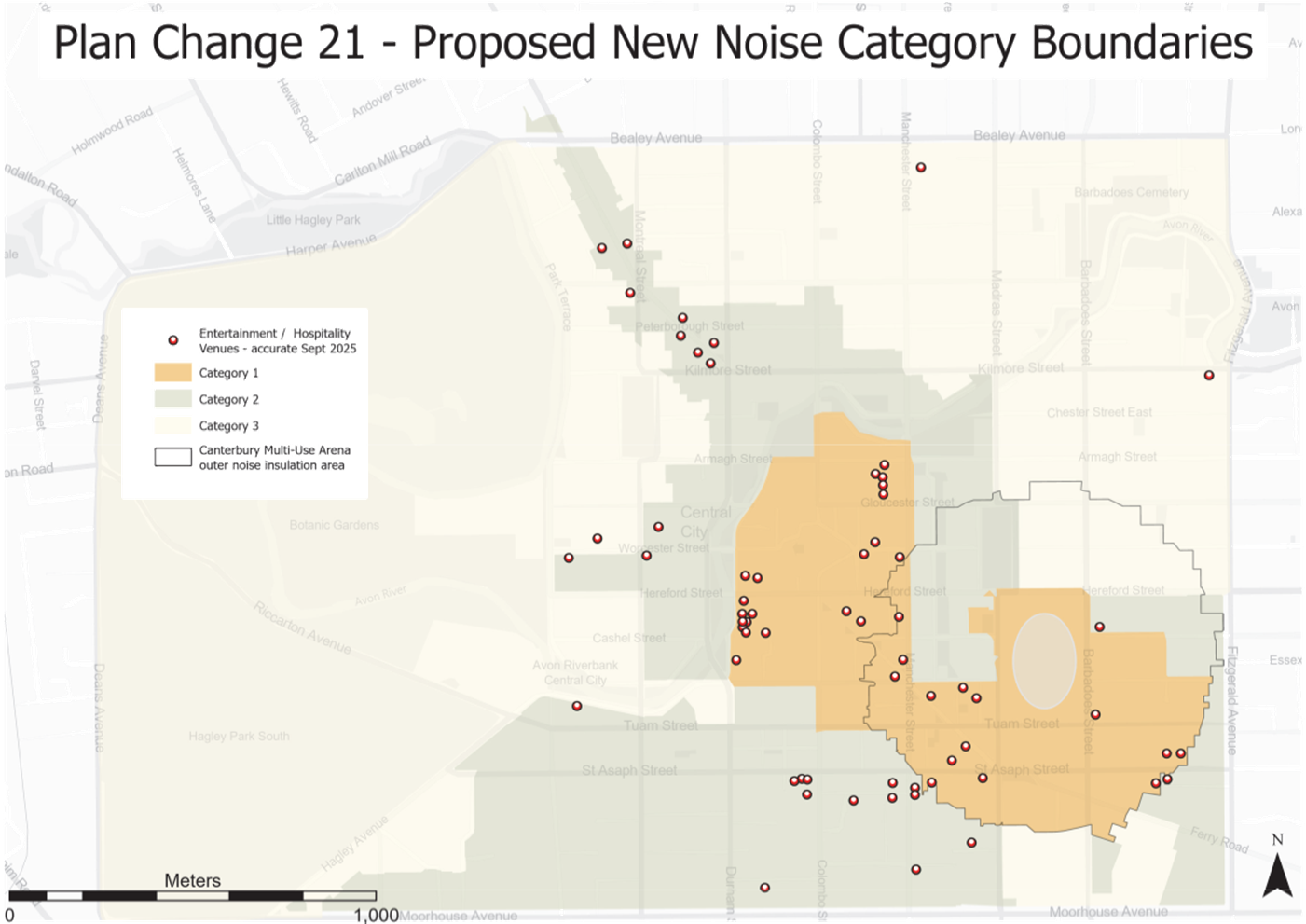
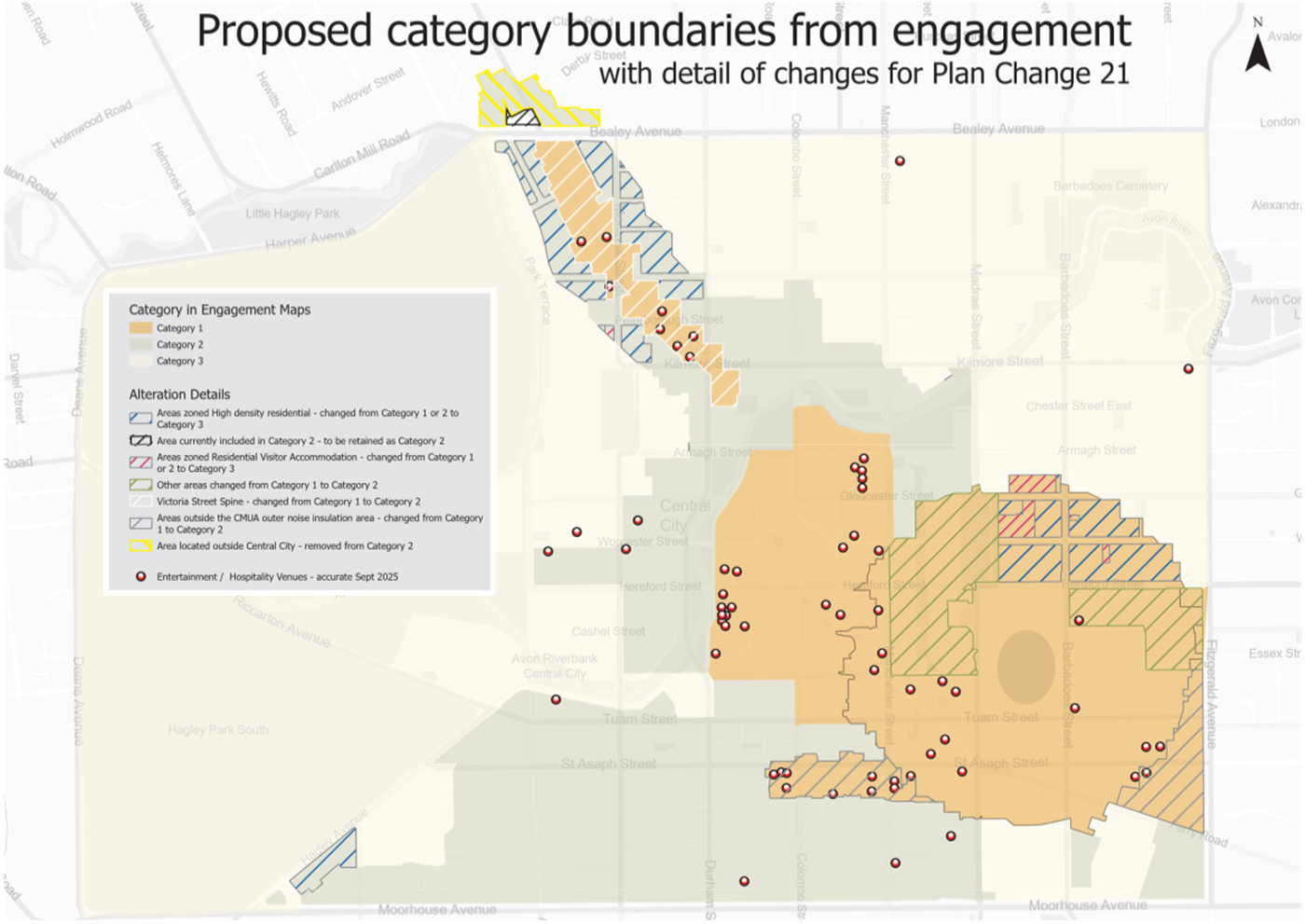
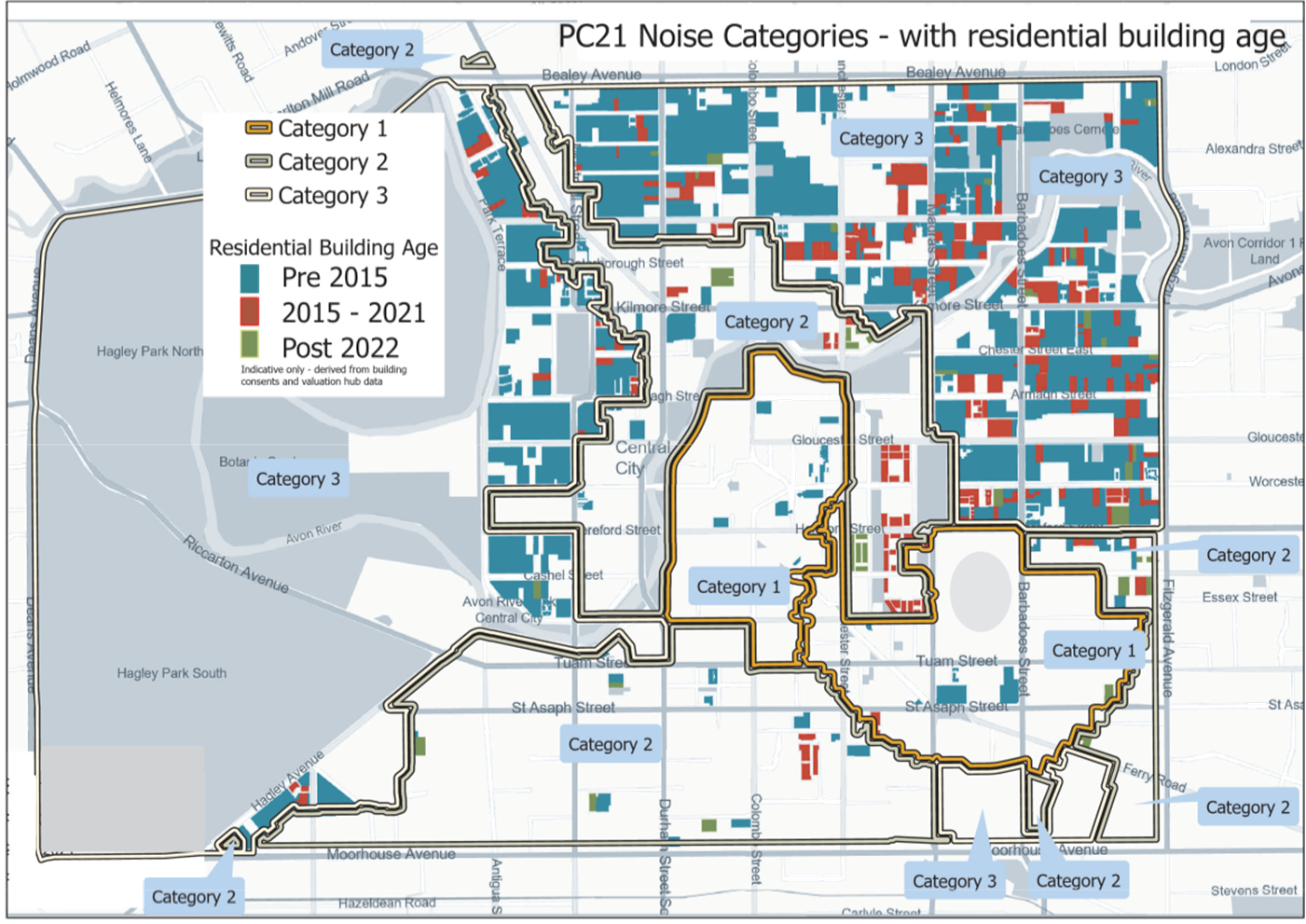
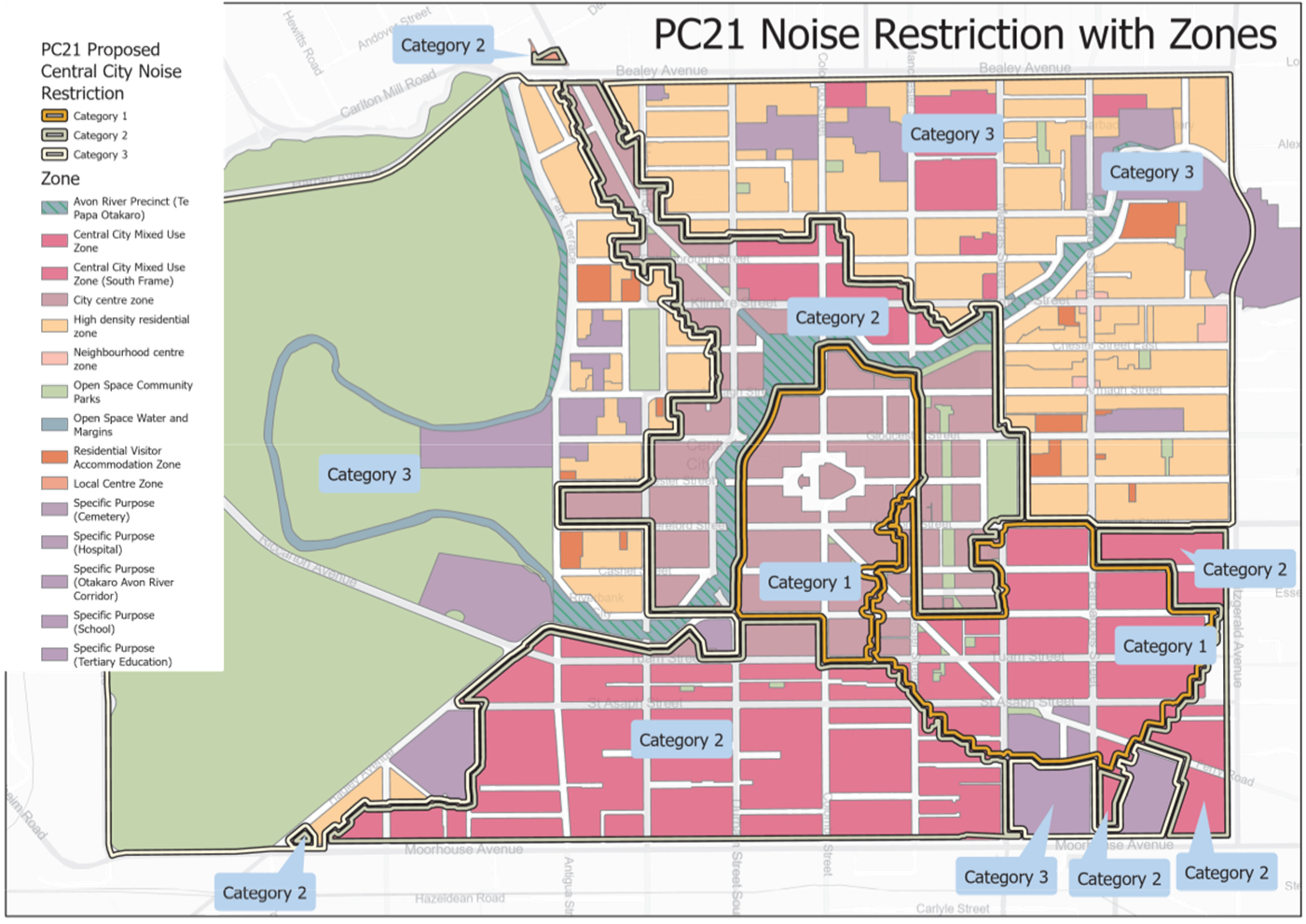
|
9. Review of the Dangerous and
Insanitary Buildings Policy 2018
|
|
Reference Te Tohutoro:
|
25/1495980
|
|
Responsible Officer(s) Te Pou Matua:
|
Tracey
Weston, Head of Regulatory Compliance and
Steve Tunley, Principal Advisor Compliance
|
|
Accountable ELT Member Pouwhakarae:
|
John
Higgins, General Manager Strategy, Planning & Regulatory Services
|
1. Purpose and Origin of the Report Te Pūtake Pūrongo
1.1 The
purpose of this report is to set out the review of the Council’s
Dangerous and Insanitary Buildings Policy 2018, and to seek the Policy &
Planning Committee’s approval of the draft amended policy for
consultation using a Special Consultative Procedure.
1.2 The
report is staff generated, noting the legislative requirement to review this
policy.
2. Officer Recommendations Ngā
Tūtohu
That the Policy and
Planning Committee:
1. Receives the information in the Review of the Dangerous and
Insanitary Buildings Policy 2018 Report.
2. Notes that the decision in this report is
assessed as low significance based on the Christchurch City Council’s
Significance and Engagement Policy.
3. Approves the proposed changes to the Dangerous
and Insanitary Buildings Policy (Attachment A to this report) for public
consultation.
4. Adopts the Statement of Proposal and the
summary of information (Attachment C to this report) and agrees to commence a
special consultative procedure in accordance with section 83 of the Local
Government Act 2002.
3. Executive Summary Te Whakarāpopoto Matua
3.1 This
report and its attachments constitute the review of the Council’s
Dangerous and Insanitary Buildings Policy 2018. The Council is legislatively
required to carry out this review.
3.2 Staff
recommend minor amendments to the current policy to keep up with changes to
legislation, the Council’s strategic direction and current best practice;
as well as to provide clarity and update any outdated terminology and
references. In accordance with the Building Act 2004, section 132(2), a special consultative procedure under section 83 of the Local
Government Act must be carried out to amend this policy.
4. Background/Context Te Horopaki
4.1 The
Building Act 2004 (the Act) requires the Council to adopt a policy on dangerous
and insanitary buildings. Council has had a policy in place since 2006. The
Council’s current policy is the Dangerous
and Insanitary Buildings Policy 2018.
4.2 The
Council keeps a register of dangerous and insanitary buildings. At present,
there are 7 buildings on the register listed as ‘on-going’.
Scope of the
policy
4.3 The
Council has a responsibility to ensure people are protected against the risks
unsafe buildings can pose.
4.4 The
policy outlines how the Council will undertake its responsibilities under the
Act in relation to dangerous and insanitary buildings. This includes how the
Council will work with building owners to prevent buildings from remaining
dangerous or insanitary, particularly where a dangerous building is affecting,
or potentially affecting, another building.
4.5 A
dangerous building is one which is likely to cause injury or death, or
damage to other property in the ordinary course of events.
4.6 A
building can be declared insanitary if it:
4.6.1 is
offensive, or likely to be injurious to health because of how it is
constructed, or because it is in a state of disrepair.
4.6.2 has
insufficient or defective provisions against moisture penetration.
4.6.3 has
inadequate sanitary facilities or potable water supply.
4.7 Earthquake-prone
buildings are no longer covered by this policy. A change to the legislation on
1 July 2017 means they are now covered directly by sections 133AA-133AY of the
Act.
4.8 Buildings
which are abandoned or derelict, are not necessarily ‘dangerous’ or
‘insanitary’. There is a high legal threshold to determine a
building as dangerous or insanitary, and any building which does not meet this
threshold is outside the scope of this policy, and outside of the powers the
Council has under the Building Act 2004.
4.8.1 For
context, the Council received 84 complaints regarding possible dangerous or
insanitary buildings between 1 July 2024 and 30 April 2025 - 16 meet the
threshold of ‘dangerous’.
Other avenues for
enforcement action / limited powers for derelict buildings
4.9 The
Health Act 1956[3],
the Litter Act 1979[4]
and the Resource Management Act 1991[5]
also provide enforcement options in some circumstances (for example, a hoarding
situation may be better dealt with under the Health Act). The tools available
to the Council are limited and invariably there are properties which are
abandoned or derelict but do not amount to a breach of relevant
legislation. In these circumstances, the Council has no power to require
or take action.
Policy review
4.10 The
Act requires that the policy is regularly reviewed once adopted, at intervals
of no more than 5 years. The current policy is overdue for review, however the
policy does not cease to have effect because it is due for review or is being
reviewed[6].
4.11 Staff
have reviewed the current 2018 policy and have found that it is largely still
fit for purpose.
4.12 Staff
recommend minor amendments to the current policy to:
· improve
clarity, including on matters the Council may consider when assessing a
building under this policy.
· align
with recent changes to legislation, the Council’s strategic direction and
current best practice.
· update outdated
terminology and references to other documents.
· ensure
the format of the policy is consistent with the standard Council policy
template.
4.13 The
proposed amendments to the policy are itemised and set out in Attachment B.
4.14 The
Council may only amend or replace the policy in accordance with the special
consultative procedure.
4.15 The
Statement of Proposal, including the consultation summary, is set out in
(Attachment C).
Further background information
4.16 The following related information session/workshops have taken place
for the members of the meeting:
Options Considered Ngā Kōwhiringa Whaiwhakaaro
4.17 The
following reasonably practicable options are considered and assessed in this
report:
4.17.1 Option
1: Amend the Dangerous and Insanitary Buildings Policy (preferred option).
4.17.2 Option
2: Continue the current Dangerous and Insanitary Buildings Policy.
4.18 The
following options were considered but ruled out:
4.18.1 Option
3: Do not review the Dangerous and Insanitary Buildings Policy.
· This
option was ruled out because it is a legislative requirement for the Council to
have this policy, and to review it in accordance with sections 131 and 132 of
the Act.
Options Descriptions Ngā Kōwhiringa
4.19 Preferred Option: Amend the Dangerous and Insanitary Buildings
Policy (Option 1)
Option Description: Undertake the legislatively required review of the policy and amend
the policy to ensure it is up to date with current best practice and recent
changes to legislation, as well as making any general improvements for clarity.
4.19.1 Option
Advantages
· complies
with legislative requirements.
· will
ensure the policy is up to date and fit for purpose.
· the
policy can be improved to address issues that have been identified since 2018.
· consultation
will enable the Council to check in with stakeholders and communities to see if
there are any further issues that need to be addressed.
4.19.2 Option
Disadvantages
· None.
4.20 Option
2: Continue the current Dangerous and Insanitary Buildings Policy
Option Description: Undertake the legislatively required review of the policy and
recommend the current version of the policy is retained for up to a further 5
years.
4.20.1 A
Special Consultative Procedure is not explicitly required under this option.
However, the decision-making requirements of the Local Government Act 2002
apply, meaning an assessment of compliance with those decision-making
provisions would need to be undertaken to determine whether any consultation is
required, and the extent of that consultation (if any).
4.20.2 Option
Advantages
· does not
require resource to undertake a Special Consultative Procedure.
· any
consultation undertaken (if deemed necessary), would be limited or more
targeted.
4.20.3 Option
Disadvantages
· does not
address the emerging issues that have been identified.
· misses
the opportunity to make improvements to the policy, including alignment with
current best practice, changes to provide clarity and updated references and
terminology.
Analysis Criteria Ngā Paearu Wetekina
4.21 Analysis
criteria to assess the options included:
4.21.1 legislative
obligations.
4.21.2 how
the policy is currently working.
4.21.3 the
operational ability to implement the policy.
4.21.4 the
needs of the community.
5. Financial Implications Ngā Hīraunga Rauemi
Capex/Opex Ngā Utu Whakahaere
5.1 There
are no additional funding requirements, as the proposal is for a
‘business as usual’ approach. Investigations required under this
policy are covered by operational budgets.
6. Considerations Ngā Whai Whakaaro
Risks and Mitigations Ngā Mōrearea me
ngā Whakamātautau
6.1 There
is potential that the scope of the policy, or where it can be applied might be
misunderstood however clear communication will help mitigate any potential
risk.
Legal Considerations Ngā Hīraunga
ā-Ture
6.2 Statutory
and/or delegated authority to undertake proposals in the report:
6.2.1 The
Council has the power to make, amend or replace a policy on Dangerous and
Insanitary Buildings in accordance with the Act (sections 131 and 132) and the
special consultative procedure requirements of the Local Government Act 2002
(section 83). In accordance with section 131 of the Building Act 2004, this
policy states the approach the Council will take in performing its functions
and exercising its powers in relation to dangerous, affected, and insanitary
buildings.
The
policy outlines the Council’s priorities in performing those functions
and explains how the policy will be applied to heritage buildings, having
regard to safety, public interest, and statutory obligations.
6.2.2 For
the purposes of this policy, a dangerous building is defined in section 121 of
the Building Act 2004, and an insanitary building is described in section 123
of the Act. These definitions are discussed in paragraphs 4.5 and 4.6
above. Section 121A of the Act further defines an affected building as a
building that is adjacent to, adjoining, or nearby a dangerous building or a
dangerous dam.
6.2.3 The
powers available to a territorial authority in relation to dangerous, affected,
and insanitary buildings are set out in Subpart 6 of the Act (sections
123B–130). These powers include (s124):
· taking
immediate action where necessary to remove or reduce danger (including erecting
hoardings or fences to prevent access).
· issuing
notices requiring specified work to be carried out to remove or reduce danger
or to prevent a building from remaining insanitary.
· issuing
notices restricting or prohibiting entry to a building where appropriate.
6.2.4 In
exercising these powers, the Council must act consistently with this policy and
be satisfied, on reasonable grounds, that a building is dangerous, affected, or
insanitary before taking action under Subpart 6 of the Act. The
Council’s response should be proportionate to the level of risk to people
or property and will take into account the circumstances of the building,
including any heritage values recognised under relevant planning or statutory
instruments.
6.3 Other
Legal Implications:
6.3.1 The
question has arisen as to whether the Dangerous and Insanitary Building Policy
could be expanded to include consideration of buildings that are
derelict. It is worth noting that there is no legislative definition for the
term derelict.
6.3.2 The scope of the Dangerous and Insanitary Buildings policy is limited
by the Building Act 2004, under which it is made. The purpose of the policy is
to set out how the Council will perform its statutory functions in relation to
buildings that meet the Act’s defined thresholds of being dangerous,
affected or insanitary. The thresholds for meeting these definitions are
defined in the Act, and therefore the policy cannot lawfully create new
triggers or extend conditions—such as to dereliction, vacancy, or neglect—that
do not, in and of themselves, establish that there is an identifiable risk
to the health or safety of people or property as a result. Expanding the policy
beyond those statutory limits would risk implying powers that the Council has
not been given and would therefore be inconsistent with the purpose of the Act.
Strategy
and Policy Considerations Te
Whai Kaupapa here
6.4 The
required decision:
6.4.1 Aligns
with the Christchurch
City Council’s Strategic Framework.
6.4.2 Is
assessed as low significance based on the Christchurch City Council’s
Significance and Engagement Policy. The level of significance was
determined by the specific impacts of the policy amendments on both affected
property owners and the wider community. As the changes proposed are minor, it
is considered there are no significant impacts for the stakeholder groups
considered.
6.4.3 Is
consistent with the Council’s Plans and Policies, in
particular:
· Our
Heritage, Our Taonga – Heritage Strategy 2019-2029.
· The
Council’s Compliance
Strategy, which sets out a high-level approach to regulatory compliance
activities. The policy’s enforcement approach aligns with this.
6.5 This
report supports the Council's
Long Term Plan (2024 - 2034):
6.6 Regulatory and Compliance
6.6.1 Activity: Regulatory Compliance and Licensing
· Level of Service: 9.0.3.1 All investigations of dangerous
building reports are initiated, and identified hazards secured, within 24
hours, 7 days a week - 1 .
Community
Impacts and Views Ngā Mariu ā-Hāpori
6.7 This report
recommends public consultation on the proposed amended Dangerous and Insanitary
Buildings Policy. Stakeholder and community views will be sought through the
special consultative procedure.
6.8 The
decision affects all wards and Community Board areas.
6.9 Community
Board views will be sought as part of the consultation process.
Impact
on Mana Whenua Ngā
Whai Take Mana Whenua
6.10 The decisions do not
involve a significant decision in relation to ancestral land, a body of
water or other elements of intrinsic value, therefore this decision does not
specifically impact Mana Whenua, their culture, and traditions.
6.11 The decision does not involve a matter of interest to Mana Whenua and will not impact on our agreed partnership priorities
with Ngā Papatipu Rūnanga.
Climate
Change Impact Considerations Ngā Whai Whakaaro mā te Āhuarangi
6.12 The proposals in
this report are unlikely to contribute significantly to adaptation to the
impacts of climate change or emissions reductions.
6.13 The policy outlines how the Council will
undertake its responsibilities under the Act in relation to dangerous, affected
and insanitary buildings.
7. Next Steps Ngā Mahinga ā-muri
7.1 If
the Committee accepts the recommendations of this report, staff will proceed
with undertaking a special consultative procedure to seek feedback on the
proposed amendments to the policy. Consultation is scheduled to commence in May
2026.
7.2 Submitters
will be offered the opportunity to present their views to the Council. Either
the Policy and Planning Committee, or a Hearings Panel will hear submissions.
7.3 The
final decision on the adoption of the policy is made by the Policy and Planning
Committee.
Attachments Ngā Tāpirihanga
|
No.
|
Title
|
Reference
|
Page
|
|
a ⇩
|
Draft
Dangerous and Insanitary Buildings Policy 2026- proposed amendments tracked
|
26/763027
|
78
|
|
b ⇩
|
Itemised
proposed changes to Dangerous and Insanitary Building Policy
|
26/754207
|
90
|
|
c ⇩
|
Statement of
proposal for Dangerous and Insanitary Policy
|
26/868833
|
114
|
In addition to the attached documents, the following background
information is available:
|
Document
Name – Location / File Link
|
|
Not
applicable
|
Signatories Ngā Kaiwaitohu
|
Authors
|
Steve Tunley -
Principal Advisor Compliance
Jenna Marsden
- Senior Policy Analyst
Amy Rice -
Engagement Advisor
Andrew
Campbell - Associate Legal Council
Tracey Weston
- Head of Regulatory Compliance
|
|
Approved By
|
Tracey Weston
- Head of Regulatory Compliance
John Higgins -
General Manager Strategy, Planning & Regulatory Services
|
|
10. Gambling and TAB
Venues Policy Review
|
|
Reference Te Tohutoro:
|
26/576317
|
|
Responsible Officer(s) Te Pou Matua:
|
Sharna
O’Neil, Policy Analyst Strategic Policy
|
|
Accountable ELT Member Pouwhakarae:
|
John
Higgins, General Manager Strategy, Planning & Regulatory Services
|
1. Purpose and Origin of the Report Te Pūtake Pūrongo
1.1 The
purpose of this report is to seek the Policy and Planning Committee’s
approval of the next steps of the 2026 review of the Council’s Gambling
and TAB Venues Policy.
1.2 Councils
are required to have a policy on class 4 and TAB venues under the Gambling Act
2003 and Racing Industry Act 2020. The policy must be reviewed every three
years and cannot be changed without a special consultative procedure (SCP).
1.3 During the 2024 review of the policy, the Council resolved to retain
the existing policy without amendment for a further two years. The Council
agreed to next review the policy in 2026 and include an SCP (CNCL/2024/00159).
2. Officer Recommendations Ngā
Tūtohu
That the Policy and
Planning Committee:
1. Receives the information in the Gambling and TAB Venues Policy
Review Report.
2. Notes that the decision in this report is
assessed as low significance based on the Christchurch City Council’s
Significance and Engagement Policy.
3. Directs staff to undertake early engagement
and complete an issues and options analysis of the Gambling and TAB Venues
Policy to support a Council workshop on policy options in July 2026.
3. Executive Summary Te Whakarāpopoto Matua
3.1 The
Council is required to have a policy on class 4 gambling (pokies outside of a
casino) and TAB venues under the Gambling Act and Racing Industry Act. The
policy must be reviewed every three years. The policy cannot be changed without
a special consultative procedure (SCP) being undertaken.
3.2 The
Council has a combined class 4 Gambling and TAB Venues Policy that has been in
place since 2004, and an SCP has not been undertaken on the policy since 2006.
3.3 The
policy was last reviewed and retained without amendment by the Council in 2024.
During the 2024 review the Council resolved to next review the policy in 2026
and include an SCP (CNCL/2024/00159).
3.4 Based
on the Council decision during the 2024 review, this report proposes the
Committee direct staff to undertake early engagement and complete an issues and
options analysis to support a Council workshop on policy options in July.
3.5 Alternatively,
the Policy and Planning Committee has the option for a procedural report to go
to the Council to approve the delay of the policy review until the statutory
review period (due 16 October 2027). This option would first require the
Council to revoke its 2024 resolution and thus must be addressed by the body
that made the existing resolution.
4. Background/Context Te Horopaki
4.1 The
Gambling Act (s102) and Racing Industry Act (s97) require territorial
authorities to have a policy on class 4 gambling venues and standalone TAB
venues. The policy must be reviewed at least every three years and cannot be
amended without undertaking a SCP.
4.2 This
policy must specify whether new class 4 gambling and TAB venues can establish
in the city, and if so, where they may be located. In addition, a class 4
venues policy may also include limits on the maximum number of gaming machines
that can be operated at a new venue (within default limits set in the Gambling
Act) and may include a relocation policy. The policy cannot force venues to
close or relocate.
4.3 The Council’s Gambling and TAB Venues Policy is a combined
policy document. It takes a ‘sinking lid’ approach to new class 4
venues and machines, meaning the Council will not allow an increase in class 4
gaming venues or machine numbers. If a venue closes, another venue cannot be
established which reduces pokie machine numbers over time. The policy allows
new standalone TAB venues to establish, subject to statutory requirements. The
current policy provisions have been in place since 2004. An SCP has not
been undertaken since 2006.
4.4 The
primary intent of the policy is to reduce gambling accessibility to prevent and
minimise harm. It should be noted that since the policy has been in place the
Council has not consented any new pokie venues or additional machines. All
venues and machines in place in the Christchurch district now were in place
prior to the Council’s first policy.
4.5 The
policy was last reviewed and retained without amendment by the Council in
October 2024. The Council resolved for the policy to be reviewed in 2026 and
for a SCP to be undertaken (CNCL/2024/00159).
4.6 The following related information session/workshops have taken place
for the members of the meeting:
Options Considered Ngā Kōwhiringa Whaiwhakaaro
4.7 The
following reasonably practicable options were considered and are assessed in
this report:
4.7.1 Direct
staff to undertake early engagement and complete an issues and options analysis
to support a Council workshop on policy options in July.
4.7.2 Agrees
for a procedural report to go to Council to approve the delay of the policy
review until the statutory review period (due 16 October 2027), revoking the
previous Council resolution of 16 October 2024 (CNCL/2024/00159).
Options Descriptions Ngā Kōwhiringa
4.8 Preferred
Option: Direct staff to undertake early engagement and complete an
issues and options analysis to support a Council workshop on policy options in
July. Staff will present their findings and workshop policy options with
the Council in July. Following that workshop a Council decision will be sought
in August on next steps for the policy review.
4.8.1 Option
Description: During previous reviews of the policy, a decision has not been
sought from the Council on the policy until staff have completed policy
analysis and presented the Council with policy issues and options. This has
provided advice to support the Council taking a decision on the policy
settings.
4.8.2 Option
Advantages
· The
Council’s decision on whether to make changes to the policy settings is
informed by the policy analysis and staff advice.
· The
policy review would be consistent with statutory requirements and previous
reviews of the policy.
4.8.3 Option
Disadvantages
· None
identified.
4.9 Option 2: Agrees to send a procedural
report to Council to approve the delay of the policy review until the statutory
review period (due 16 October 2027), revoking the previous Council resolution
of 16 October 2024 (CNCL/2024/00159).
4.9.1 Option
Description: The policy review would be paused and would not begin until
late 2026, so that it could be completed by the statutory deadline.
4.9.2 Option
Advantages
· Staff
would be able to allocate resource to other projects.
· The
policy review would be consistent with statutory requirements.
4.9.3 Option
Disadvantages
· Given
the policy review usually takes a year, staff would only be deferring work on
this review until December 2026.
· Delaying
the review may impact other projects commencing in 2027 where staff and Council
resource is also
required.
Analysis Criteria Ngā Paearu Wetekina
4.10 The
review meeting the policy’s statutory requirements.
4.11 The
Council’s previous resolution to review the policy in 2026 and include an
SCP.
4.12 The
impact this policy review has on staff and Council time and resources, and
other projects.
5. Financial Implications Ngā Hīraunga Rauemi
Capex/Opex Ngā Utu Whakahaere
|
|
Recommended Option
|
Option 2 – Delay review
|
|
Cost to Implement
|
Existing operational budgets.
|
Existing operational budgets.
|
|
Maintenance/Ongoing Costs
|
Existing operational budgets.
|
Existing operational budgets.
|
|
Funding Source
|
Existing operational budgets.
|
Existing operational budgets.
|
|
Funding Availability
|
Existing operational budgets.
|
Existing operational budgets.
|
|
Impact on Rates
|
Existing operational budgets.
|
Existing operational budgets.
|
6. Considerations Ngā Whai Whakaaro
Risks and Mitigations Ngā Mōrearea me
ngā Whakamātautau
6.1 While
the Gambling and TAB Venues Policy is legislatively required to be reviewed
every three years, the policy settings can be re-considered at any time.
Legal Considerations Ngā Hīraunga
ā-Ture
6.2 Statutory
and/or delegated authority to undertake proposals in the report:
6.2.1 The
Council is required under the Gambling Act 2003 and Racing Industry Act 2020 to
have a policy on class 4 gambling and TAB venues, respectively.
6.3 Other Legal Implications:
6.3.1 There
is no legal context, issue, or implication relevant to this decision.
6.3.2 This
report has been reviewed by Legal.
Strategy
and Policy Considerations Te
Whai Kaupapa here
6.4 The
required decision:
6.4.1 Aligns
with the Christchurch City Council’s Strategic Framework. The primary aim
of the Gambling and TAB Venues Policy is to minimise problem gambling and
gambling related harm in the Christchurch community, noting the detrimental
impact problem gambling has – not just on the gambler, but on their
friends, family and wider community.
6.4.2 Is
of low significance in relation to the Christchurch City Council’s
Significance and Engagement Policy. While decisions on the policy are of medium
significance because the policy is of considerable interest to some
organisations and groups, the decision in this report is on the policy review
process rather than the policy itself.
6.4.3 Is
consistent with the Council’s Plans and Policies.
6.5 This
report supports the Council's
Long Term Plan (2024 - 2034):
6.6 Strategic Planning and Policy
6.6.1 Activity: Strategic Policy and Resilience
· Level of Service: 17.0.1.2 Advice meets emerging needs and
statutory requirements, and is aligned with governance expectations in the
Strategic Framework - Carry out policy reviews in accordance with Unit work
programme and provide advice to meet emerging needs and statutory requirements
Community
Impacts and Views Ngā Mariu ā-Hāpori
6.7 The
decision affects all Community Board areas.
6.8 If
the Committee decides to proceed with the next stage of this review, a memo
will be provided to Community Boards on the policy. They will have the
opportunity to request an Information Session with staff on the policy and will
be encouraged to participate in the early engagement process.
Impact
on Mana Whenua Ngā
Whai Take Mana Whenua
6.9 The decision does not involve a significant decision in relation to
ancestral land or a body of water or other elements of intrinsic value
6.10 The decision involves a matter of interest to Mana Whenua and will not impact on our agreed partnership priorities
with Ngā Papatipu Rūnanga.
6.11 Māori
are overrepresented in problem gambling and gambling-related harm statistics.
Problem gambling service providers continue to put significant effort into
addressing the disproportionate burden of gambling harm experienced by
Māori.
6.12 Staff
are working with the Treaty Relationships Team as part of this policy review.
Climate
Change Impact Considerations Ngā Whai Whakaaro mā te Āhuarangi
6.15 The proposals in
this report are unlikely to contribute significantly to adaptation to the
impacts of climate change or emissions reductions.
7. Next Steps Ngā Mahinga ā-muri
7.1 If
the Committee decides to proceed with the next stage of this policy review,
staff will then spend the next few months gathering an evidence base to inform
policy options for Councillors. This will involve data collection and early
engagement with stakeholders and the community which inform an assessment of
the social impact of gambling and relevant policy options.
7.2 Staff
will then come back to the Council in July to workshop policy options.
Attachments Ngā Tāpirihanga
There are no
attachments to this report.
In addition to the attached documents, the following background
information is available:
|
Document
Name – Location / File Link
|
|
Not
applicable
|
Signatories Ngā Kaiwaitohu
|
Authors
|
Marina Nicola
- Legal Counsel
Sharna O'Neil
- Policy Analyst
Thomas Lee -
Principal Policy Advisor
Ellen Cavanagh
- Senior Policy Analyst
|
|
Approved By
|
David
Griffiths - Head of Strategic Policy & Resilience
John Higgins -
General Manager Strategy, Planning & Regulatory Services
|
|
11. Notice of Motion
- Letter to Central Government - Short Stay Regulation
|
|
Reference Te Tohutoro:
|
26/499376
|
|
Elected Member Te Mema Pōti:
|
Councillor
Herz Jardine
|
|
Accountable ELT Member Pouwhakarae:
|
Mary
Richardson – Chief Executive
|
1. Purpose and Origin Te Pūtake Pūrongo
1.1 Pursuant to Section 22 of the Christchurch City Council’s Standing
Orders, Councillor Herz Jardine (Mover) and Councillor McLellan (Seconder)
provided a Notice of Motion outlined below which is accompanied by the
associated Officer advice.
Councillor Herz
Jardine Notice of Motion:
That the Policy and
Planning Committee:
1. Agrees
to write a letter to central government requesting it develop legislation
establishing a mandatory registration system for short-term rental
accommodation platforms that will enable local authorities to identify and
monitor operators to ensure regulatory compliance where applicable.
2. Requests
that the letter be circulated to member councils of the Canterbury Mayoral
Forum, along with other metropolitan councils, for their information and
awareness.
2. Officer Advice
Any Current Related Work Underway / Achievability of
the Notice of Motion
2.1 The
Council received a detailed briefing on 15 April regarding the regulation of
short-term rental accommodation, including current regulatory gaps,
implementation challenges faced by territorial authorities, and options
available at both local and central government levels.
2.2 The
briefing provided sufficient background, evidence, and policy context to enable
the Policy and Planning Committee to consider whether it wishes to progress the
proposed Notice of Motion.
2.3 In
particular, the briefing outlined the potential benefits of a mandatory
national registration system for short-term rental accommodation operators,
including improved identification of operators, enhanced monitoring capability,
and greater consistency of regulatory compliance across jurisdictions.
2.4 This information enables the Policy and Planning Committee to make
an informed determination on whether to agree to write to central government
requesting the development of legislation establishing such a system. The
presentation from the briefing is attached (Attachment A).
Signatories Ngā
Kaiwaitohu
|
Officer
Advice Provided by
|
Mary
Richardson – Chief Executive
|
|
Approved
By
|
Mary
Richardson – Chief Executive
|
Attachments Ngā Tāpirihanga
|
No.
|
Title
|
Reference
|
Page
|
|
a ⇩
|
Council Workshop Presentation - 15
April 2026
|
26/714512
|
125
|
|
12. Resolution to Exclude the Public
|
Section
48, Local Government Official Information and Meetings Act 1987.
Note: The
grounds for exclusion are summarised in the following table. The full wording from
the Act can be found in section
6 or section
7, depending on the context.
I move that the public be excluded from the
following parts of the proceedings of this meeting, namely the items
listed overleaf.
Reason for passing this resolution: a good
reason to withhold exists under section 7.
Specific grounds under section 48(1) for
the passing of this resolution: Section 48(1)(a)
Note
Section 48(4) of the Local Government
Official Information and Meetings Act 1987 provides as follows:
“(4) Every resolution to exclude
the public shall be put at a time when the meeting is open to the public, and
the text of that resolution (or copies thereof):
(a) Shall
be available to any member of the public who is present; and
(b) Shall
form part of the minutes of the local authority.”
This resolution is made in reliance on
Section 48(1)(a) of the Local Government Official Information and Meetings Act
1987 and the particular interest or interests protected by Section 6 or Section
7 of that Act which would be prejudiced by the holding of the whole or relevant
part of the proceedings of the meeting in public are as follows:
|
ITEM NO.
|
GENERAL SUBJECT OF EACH MATTER TO BE CONSIDERED
|
SECTION
|
SUBCLAUSE AND REASON UNDER THE ACT
|
PUBLIC INTEREST CONSIDERATION
|
Potential Release Review Date and
Conditions
|
|
13.
|
Proposed Change to District Plan
|
s7(2)(b)(ii)
|
Prejudice Commercial Position
|
The reason for confidentiality is the potential for this advice to
influence values of third party land and agreements between parties absent
their necessary engagement and approvaL, which outweighs the public interest.
|
31 December 2026
After the Minister's consideration and decision.
|
Karakia Whakamutunga
Kia whakairia te tapu
Kia wātea ai te ara
Kia turuki whakataha ai
Kia turuki whakataha ai
Haumi e. Hui e. Tāiki e
Actions Register Ngā Mahinga
When decisions are made at meetings, these
are assigned to staff as actions to implement. The following lists
detail any actions from this meeting that were:
·
Open at the time the agenda was generated.
·
Closed since the last ordinary meeting agenda
was generated.
Open Actions Ngā Mahinga Tuwhera
|
REPORT TITLE/AGENDA SECTION
|
MEETING DATE
|
ACTION DUE DATE
|
UNIT
|
TEAM
|
|
Approval for Utilities
Easement for Orion for an upgraded substation located in part of North Hagley
Park
|
11 March 2026
|
10 June 2026
|
F&P Unit
|
Property Consultancy
|
|
Approval for Utilities
Easement over Reserve - Hagley Oval
|
11 March 2026
|
10 June 2026
|
F&P Unit
|
Property Consultancy
|
|
Derelict Buildings Trial
– New Brighton: Report Back
|
11 March 2026
|
10 June 2026
|
Planning & Consents
|
Management
|
|
Coastal Hazards Adaptation
Planning - Where to next?
|
8 April 2026
|
8 July 2026
|
SP&R
|
Coastal Hazards
|
|
Draft Council Submission on
Data and Statistics (Census) Amendment Bill
|
8 April 2026
|
8 July 2026
|
Executive Office
|
Executive Office
|
Actions Closed Since the Last Meeting Ngā
Mahinga kua Tutuki nō Tērā Hui
|
REPORT TITLE/AGENDA SECTION
|
MEETING DATE
|
DUE DATE
|
ACTION CLOSURE DATE
|
UNIT
|
TEAM
|
|
Extension of the City Vacant
Differential Rating
|
8 April 2026
|
8 July 2026
|
24 April 2026
|
Planning & Consents
|
Management
|
|
Programme of Urban
Development activities proposed, following transition from ChristchurchNZ
|
8 April 2026
|
8 July 2026
|
24 April 2026
|
Planning & Consents
|
Management
|