|
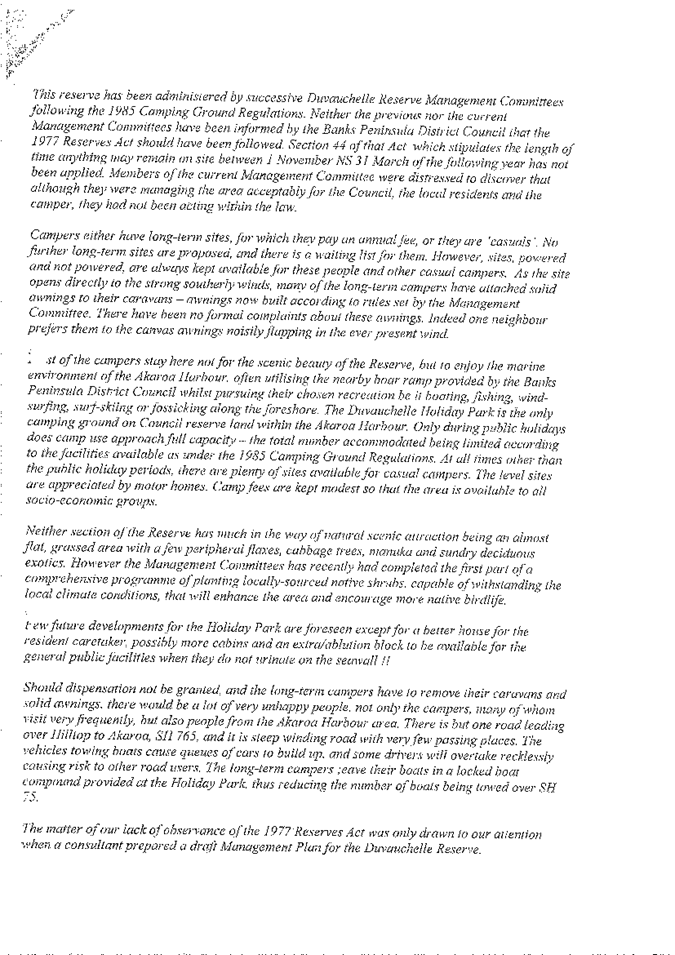
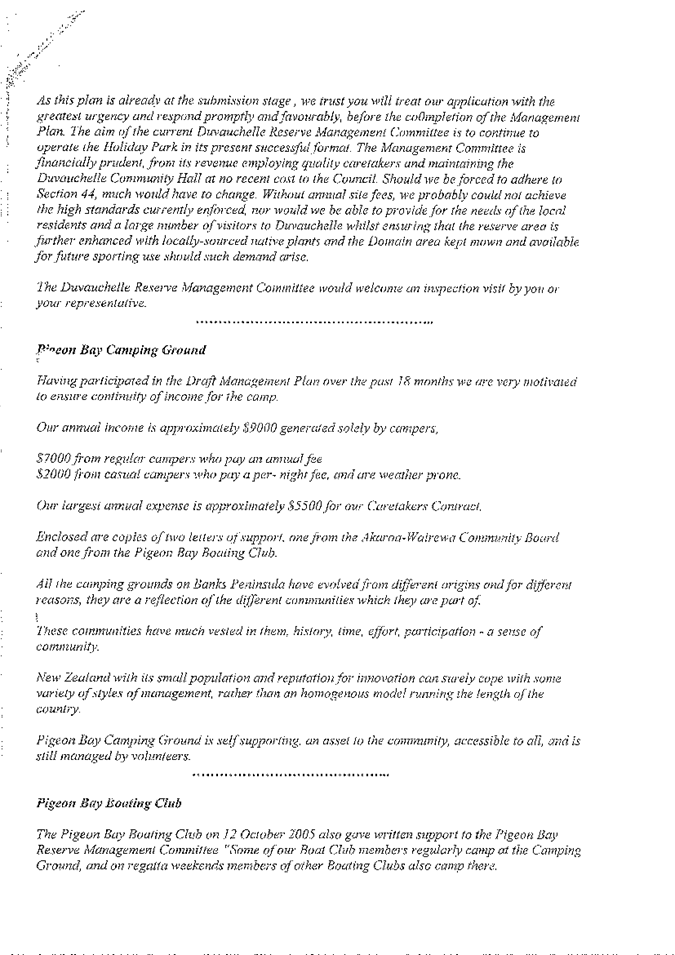
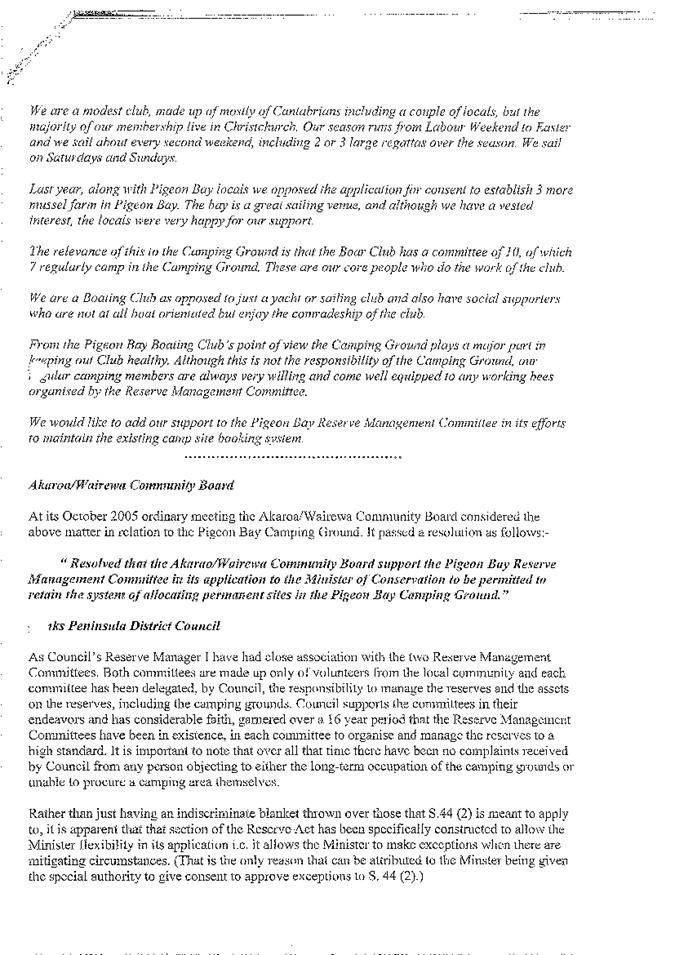
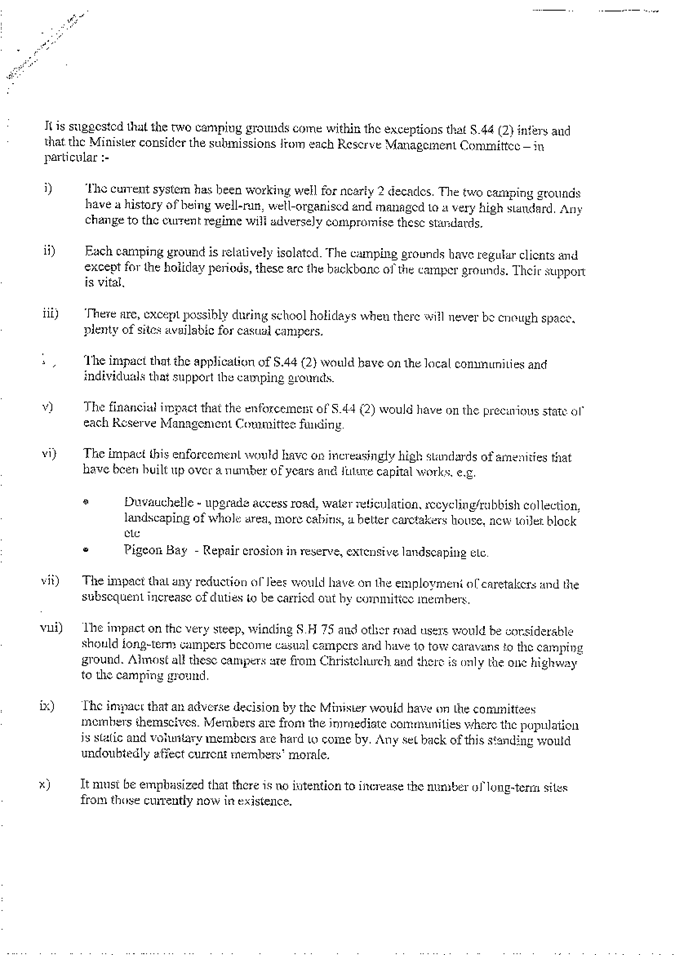
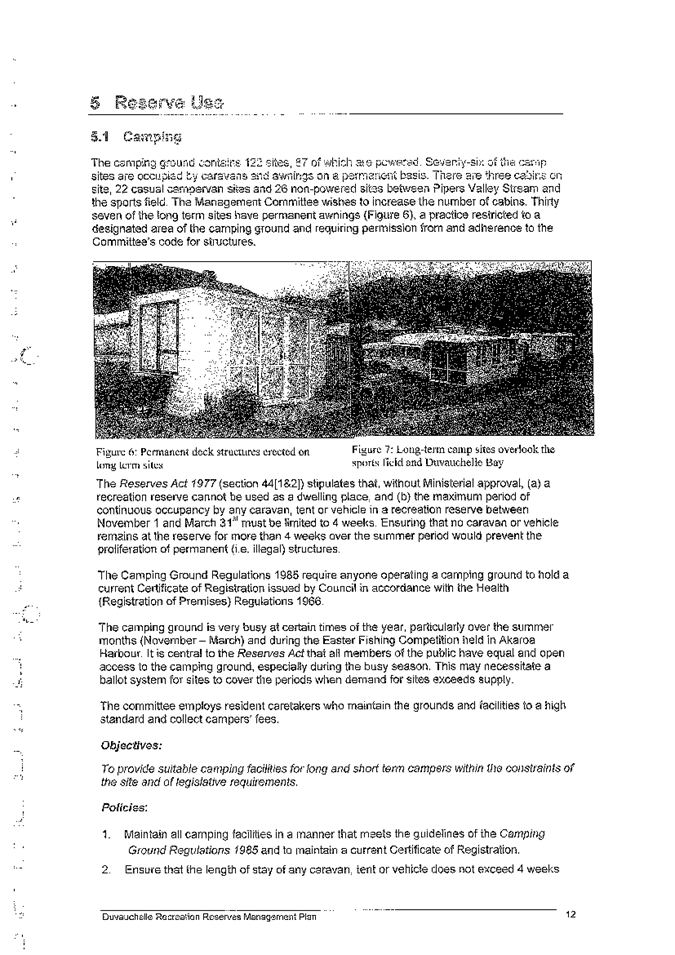
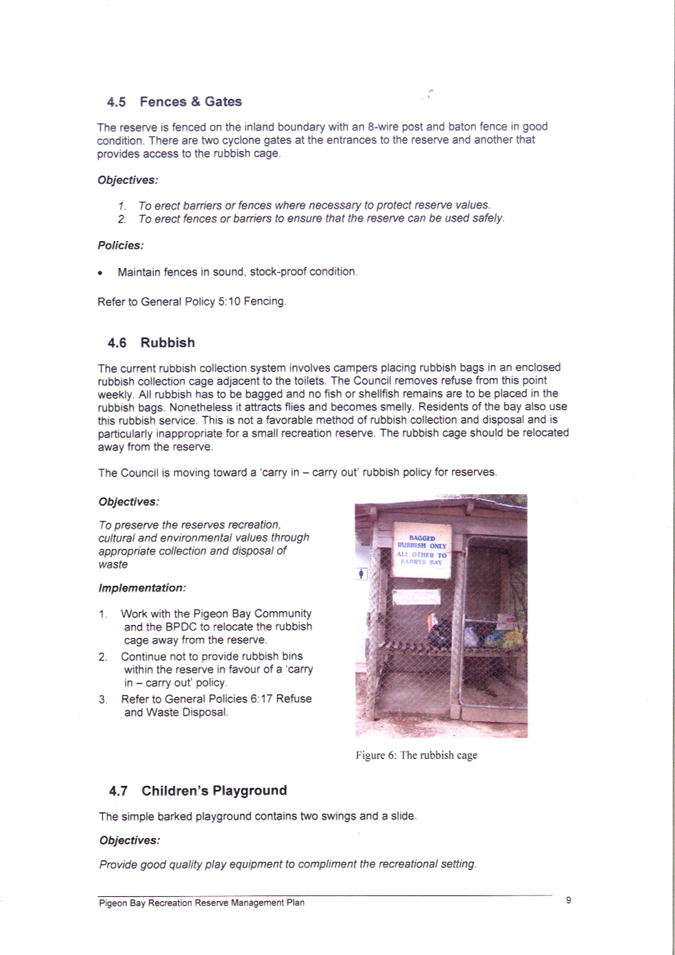
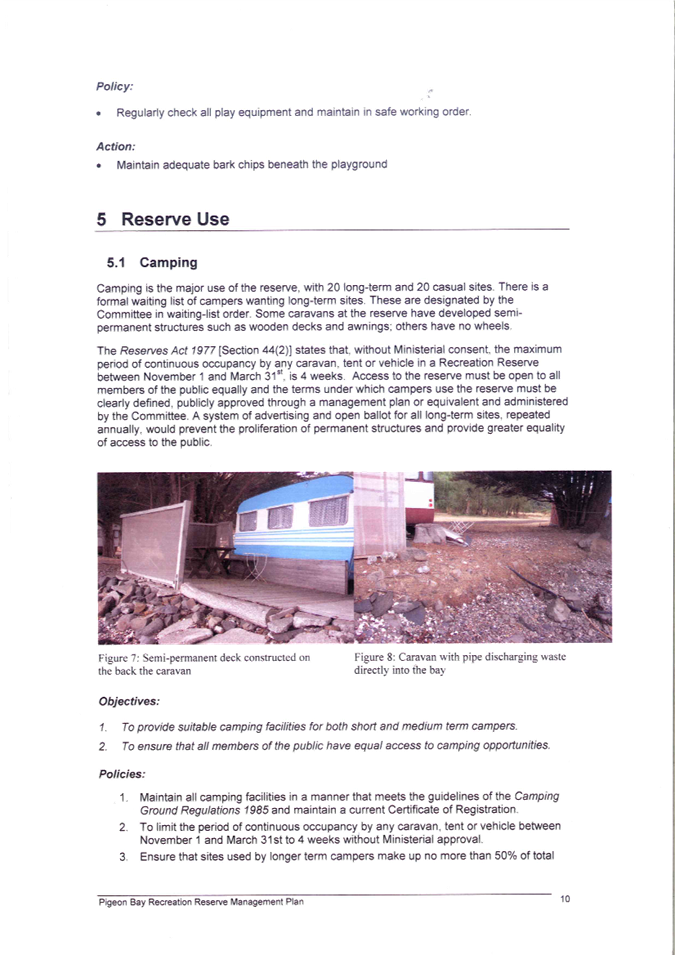
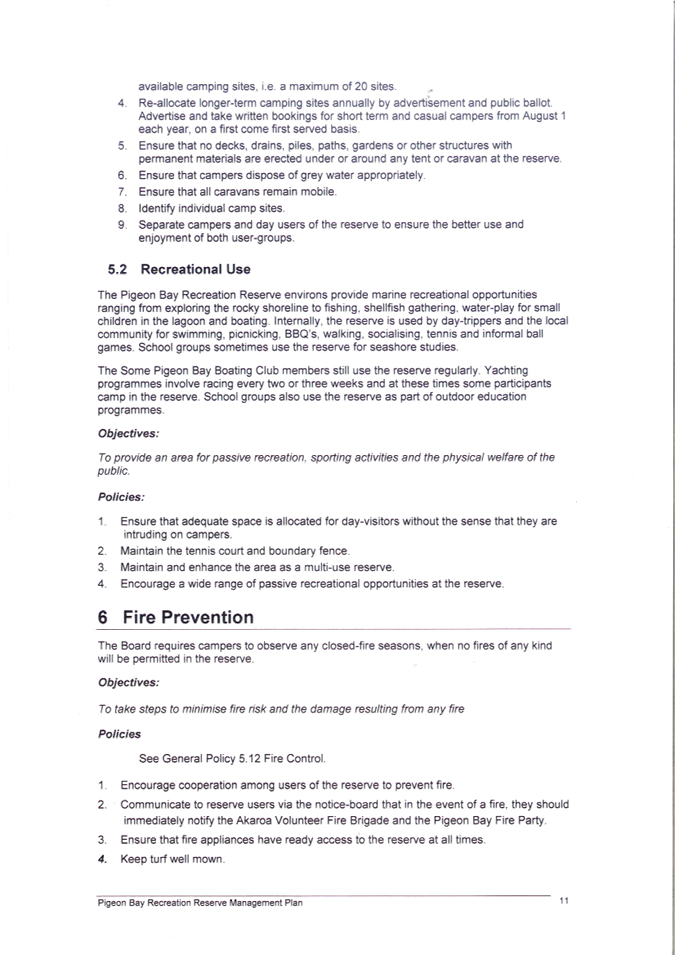
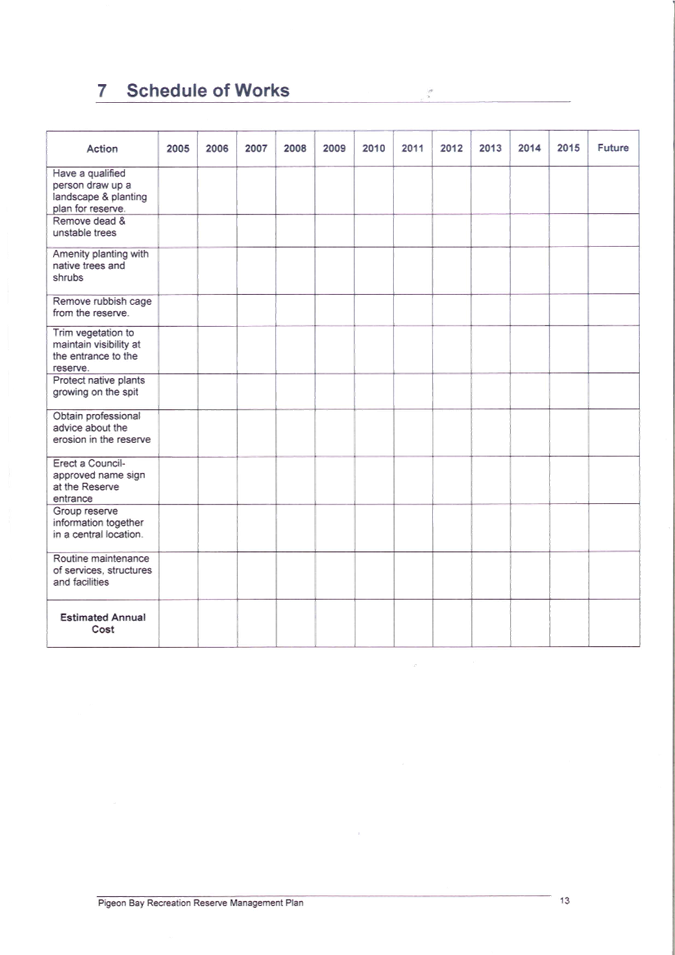
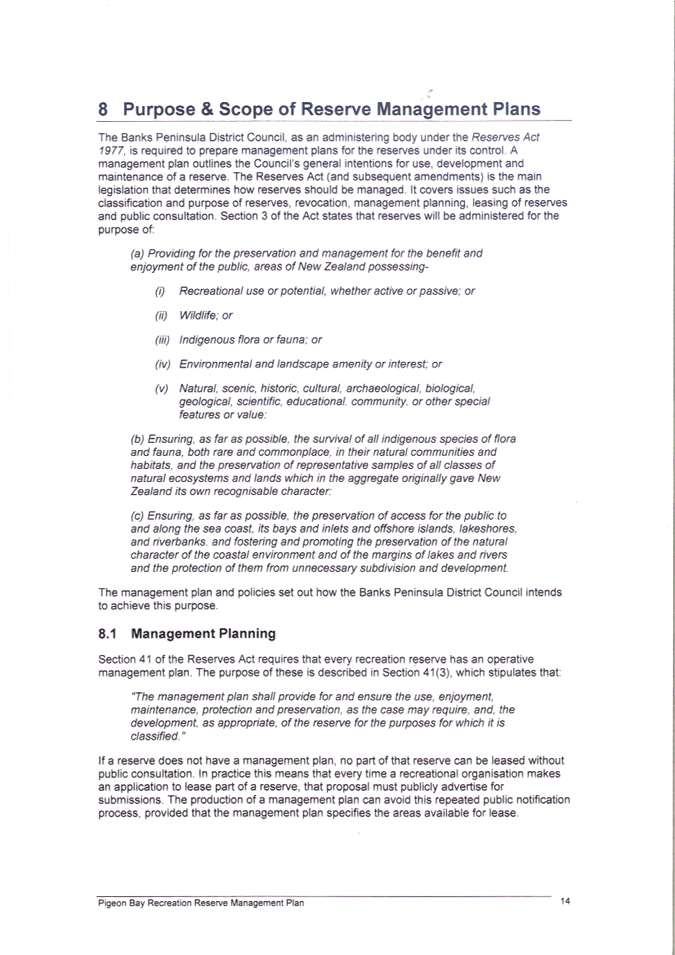
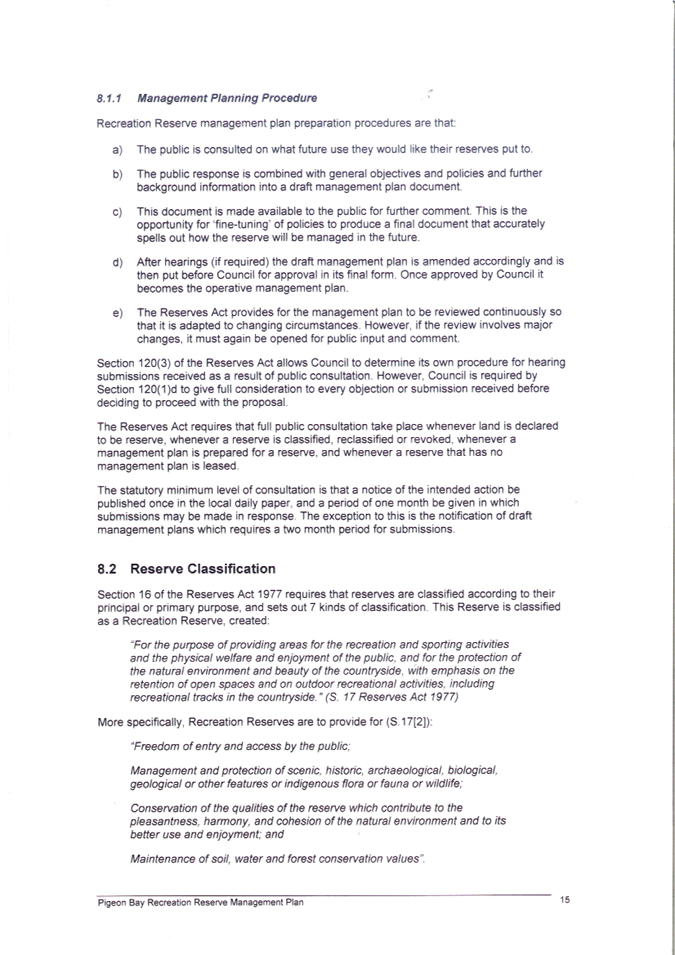
4. Pigeon
Bay and Duvauchelle Campgrounds - Annual Sites
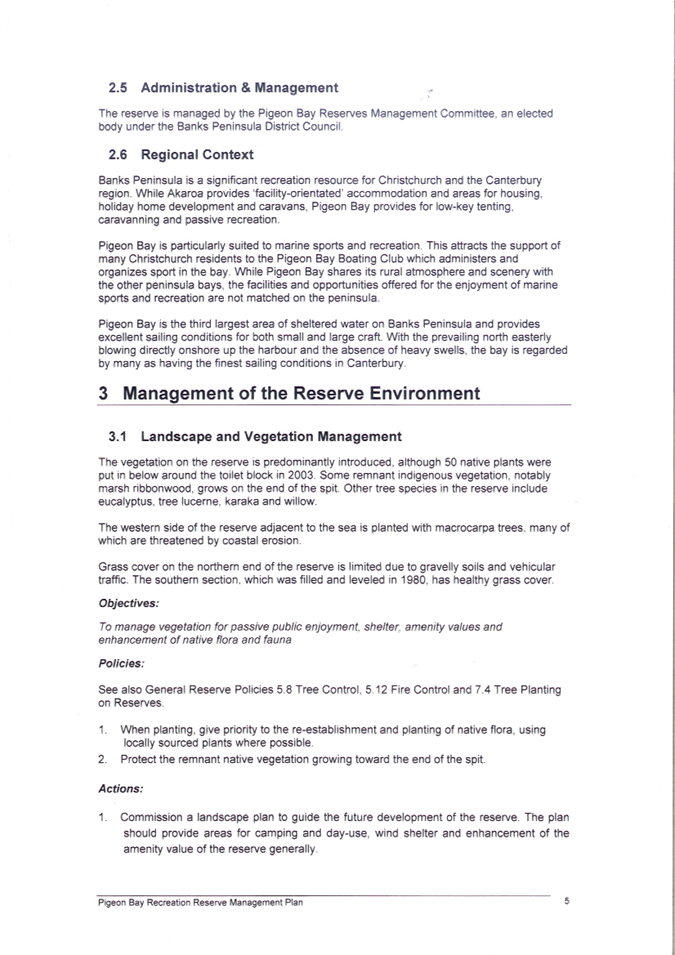
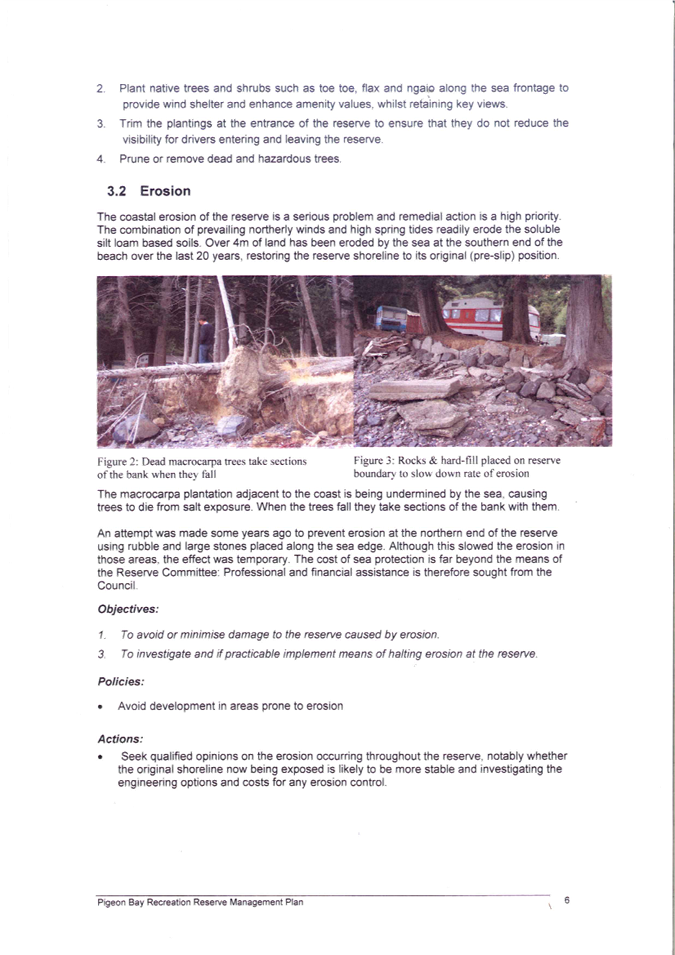
|
|
Reference Te Tohutoro:
|
26/600928
|
|
Responsible Officer(s) Te Pou Matua:
|
Colin
Jacka, Manager Activities and Events Outdoors
Paris Porter, Community Engagement Advisor
|
|
Accountable ELT Member Pouwhakarae:
|
Andrew
Rutledge, General Manager Citizens and Community
|
1. Purpose and Origin of the Report Te Pūtake Pūrongo
1.1 The purpose of this report is to present Te Pātaka o
Rākaihautū Banks Peninsula Community Board with options for achieving
compliance with Section 44 of the Reserves Act 1977 in relation to the Annual
Sites currently in place at the Duvauchelle Holiday Park and Pigeon Bay
Campground.
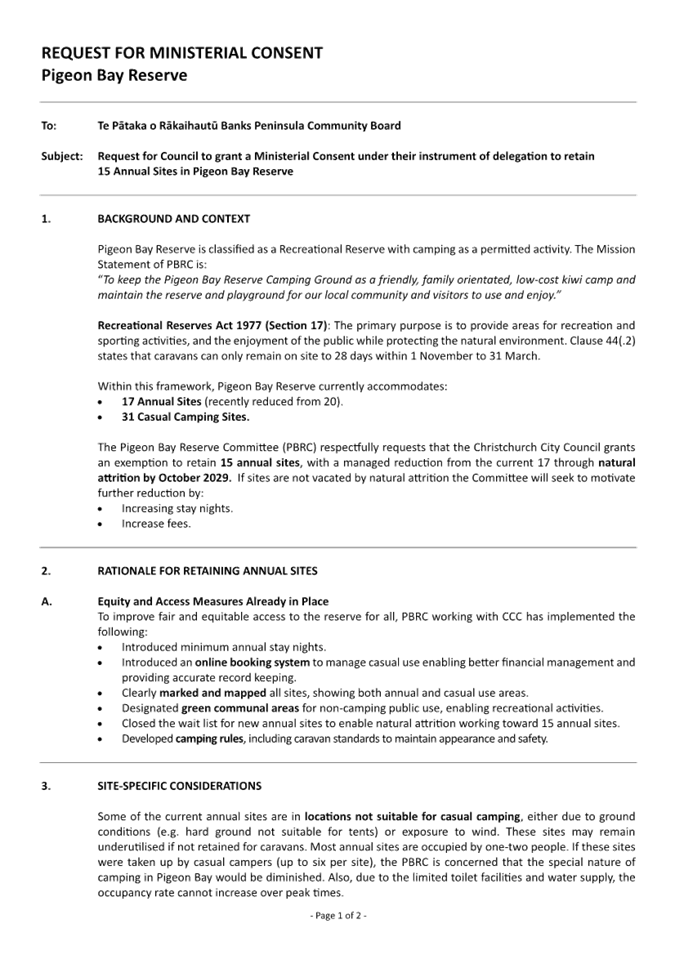
1.2 The report has been prepared following a request from the Community
Board on 11 March 2024 for staff to investigate the unauthorised use of
reserves and provide options addressing the ongoing non‑compliance of
permanent and annual site arrangements at both campgrounds.
2. Officer Recommendations Ngā
Tūtohu
That Te Pātaka
o Rākaihautū Banks Peninsula Community Board recommend to the Chief
Executive to:
1. Receive the information in the Pigeon Bay and Duvauchelle
Campgrounds - Annual Sites Report.
2. Note that the decision in this report is
assessed as Low significance based on the Christchurch City Council’s
Significance and Engagement Policy.
3. Approve Option 3 – Allow annual sites to
remain with operational changes, and grant consent under Section 44(2) of the
Reserves Act 1977, as outlined in this report.
3. Executive Summary Te Whakarāpopoto Matua
3.1 Annual sites at Duvauchelle Holiday Park and Pigeon Bay Campground
are currently non‑compliant with Section 44 of the Reserves Act 1977, which limits the
length of time that vehicles, caravans, tents, or removable structures may
remain on a recreation reserve during the period 1 November to 31 March, unless
consent is granted by the Minister of Conservation. The longstanding practice
of annual site occupation at both campgrounds therefore requires a lawful
pathway to continue.
3.2 This report presents options to address that non‑compliance and seeks a recommendation from Te Pātaka o Rākaihautū Banks
Peninsula Community Board to the Chief Executive. The Community Board’s role is to consider the options and
provide a recommendation to Council. The Chief Executive holds delegated
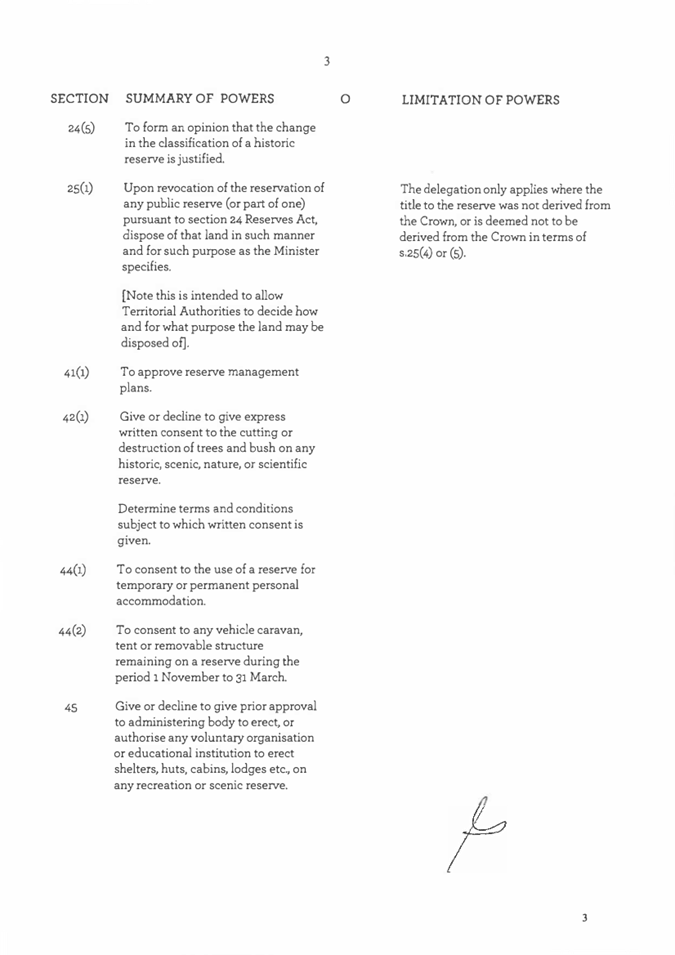
authority from the Department of Conservation to grant consent under Section
44(2) of the Reserves Act for reserves it administers, and the Chief Executive
is the decision‑maker for any consent.
3.3 The preferred option is Option 3 – Allow annual sites to
remain with operational changes and grant consent under Section 44(2) of the
Reserves Act. This option reflects community feedback and provides a balanced
and legally robust approach that addresses the issues previously associated
with long‑term occupation of reserve land.
3.4 Under Option 3:
3.4.1 Existing
annual site holders would continue under their current arrangements.
3.4.2 When
an annual site is relinquished, all caravans, annexes, and associated
structures must be removed from the reserve.
3.4.3 Vacated
sites would convert to one‑year annual sites, allocated through an annual public ballot,
improving equitable access over time.
3.4.4 All
future caravans must remain road legal, and hard annexes or semi‑permanent structures would not be permitted, with only removable
canvas awnings allowed.
3.5 Option 3 is recommended because it:
3.5.1 Provides
a lawful pathway to compliance under Section 44 of the Reserves Act through
Council’s delegated authority.
3.5.2 Addresses
issues of permanence, transferability, and equitable access that previously
prevented approval by DOC.
3.5.3 Supports
a managed transition rather than immediate full removal of annual sites.
3.5.4 Aligns
with long‑standing reserve management principles while responding to current
community use and expectations.
4. Background/Context Te Horopaki
4.1 Duvauchelle Holiday Park and Pigeon Bay Campground are located on
recreation reserves administered by Christchurch City Council and have operated
for several decades as community‑focused camping
facilities. Both campgrounds have historically included a mix of casual camping
sites and longer‑term annual sites, with the latter forming an important component of
campground operations, community use, and financial sustainability.
Statutory Context
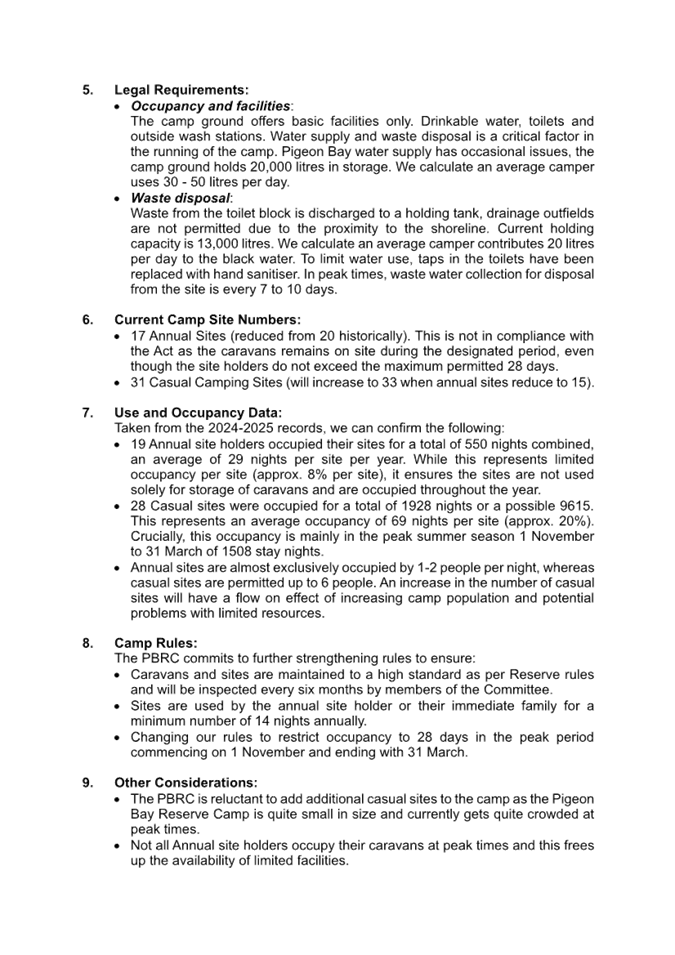
4.2 Section 44 of the Reserves Act 1977 restricts the length of time
that any vehicle, caravan, tent, or removable structure may remain on a
recreation reserve during the period from 1 November to 31 March, unless
consent is granted under Section 44(2) of the Reserves Act. The long‑standing presence of annual sites at both locations is therefore non‑compliant with the Act in the absence of such consent.
Draft Reserve Management Plans
4.3 Draft reserve management plans were prepared for:
4.3.1 Duvauchelle
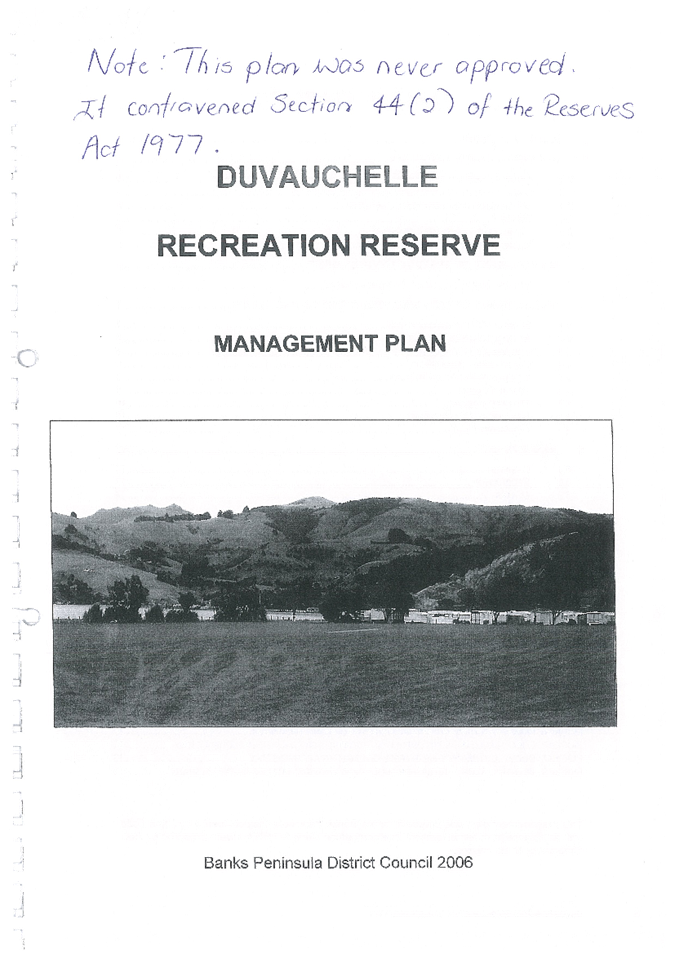
Recreation Reserve (2004), and
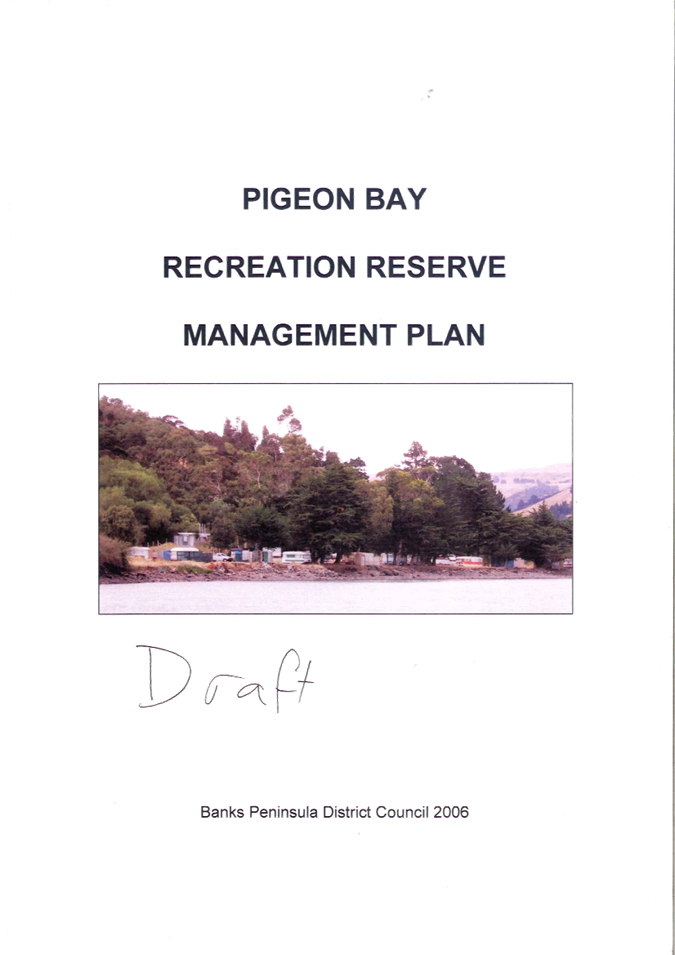
4.3.2 Pigeon
Bay Recreation Reserve (2006).
4.4 Both draft plans identified issues relating to long‑term occupation, the presence of semi‑permanent
structures, and the need to ensure equitable public access to reserve land. The
draft plans also explicitly acknowledged the constraints of Section 44 of the
Reserves Act and, in both cases, identified annual allocation of long‑term sites by public advertisement and ballot as a potential means
of preventing permanent occupation and improving fairness of access.
4.5 However, neither draft management plan was formally adopted under
Section 41 of the Reserves Act. This was because campground operations at the
time continued in ways that were not fully aligned with the policy settings
proposed in the draft plans, particularly in relation to long‑term occupation and semi‑permanent structures. As a
result, both plans remain non‑operative and do not have statutory force.
4.6 Previous Engagement with the Department of Conservation
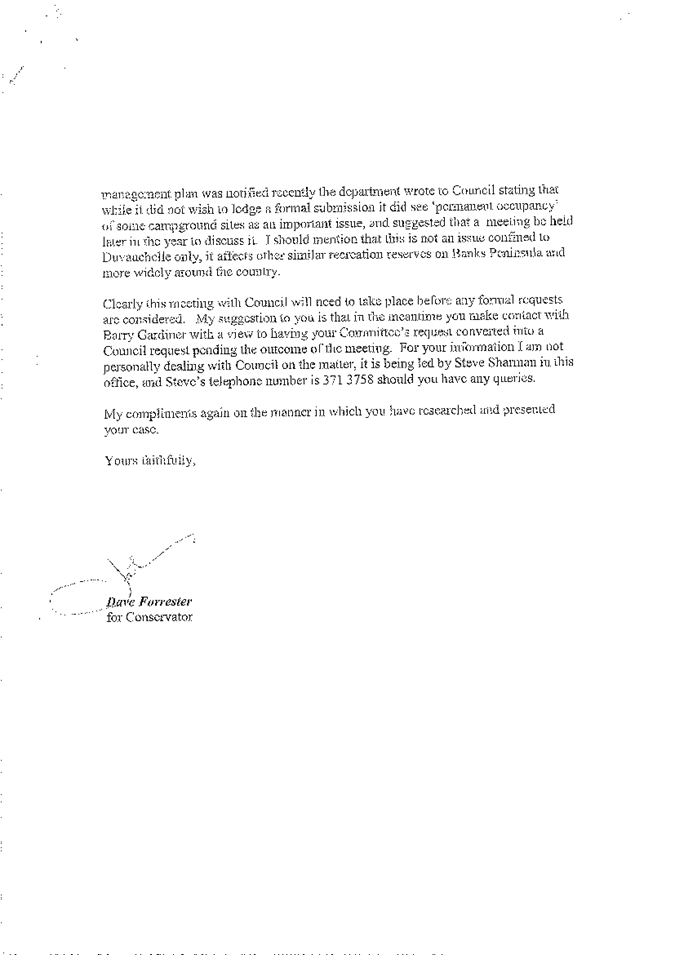
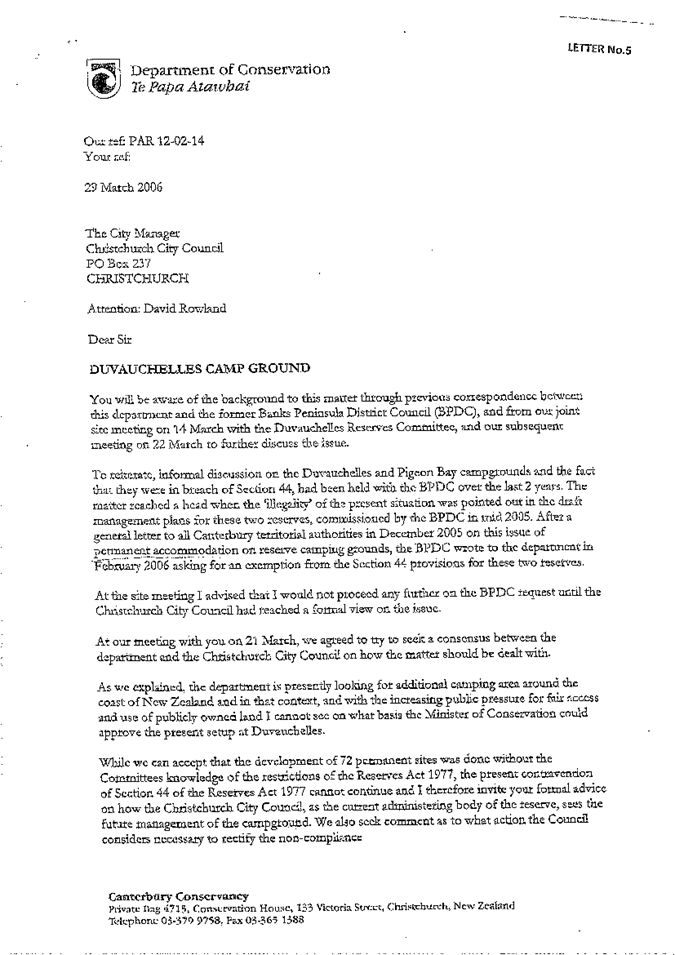
4.6.1 During
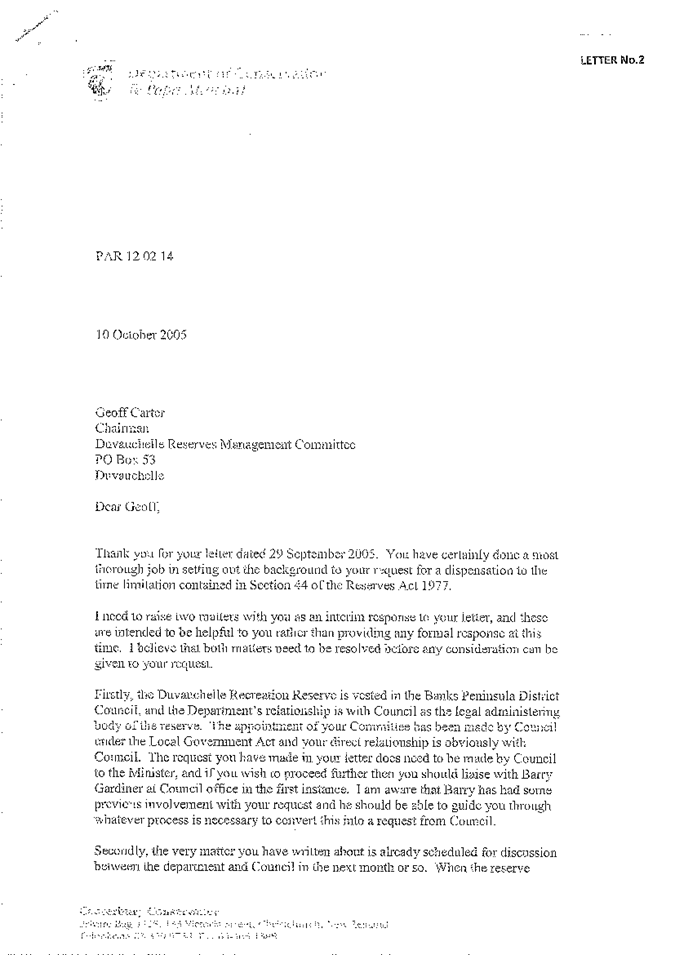
the preparation of the draft management plans in 2004–2006, the issue of
non‑compliance with Section 44 of the Reserves Act was formally
identified and discussed between the Reserve Management Committees,
Christchurch City Council’s predecessor (Banks Peninsula District
Council), and the Department of Conservation (DOC).
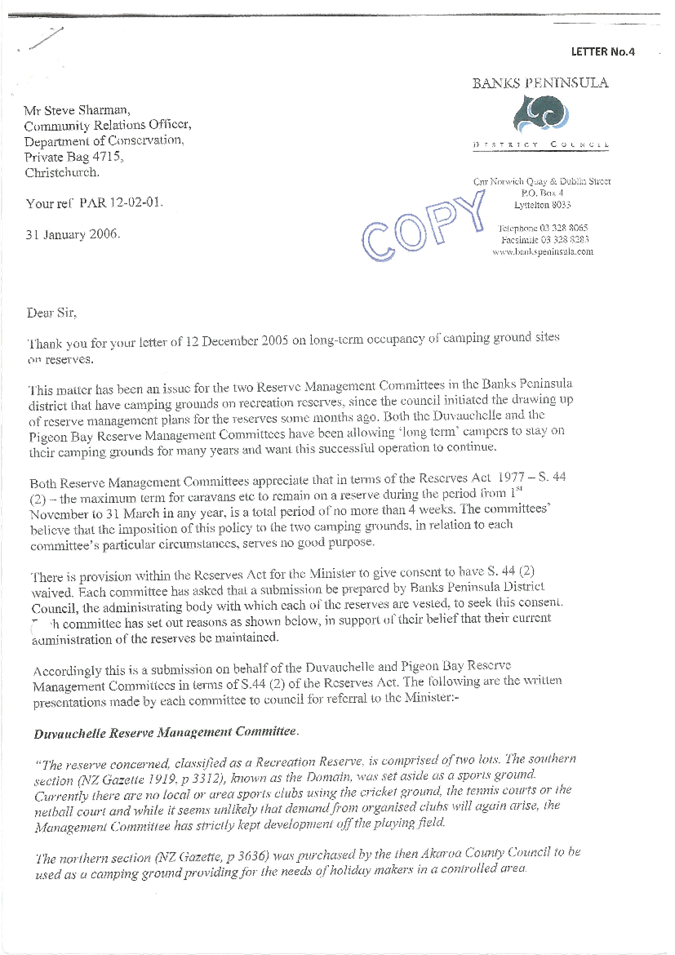
4.6.2 In
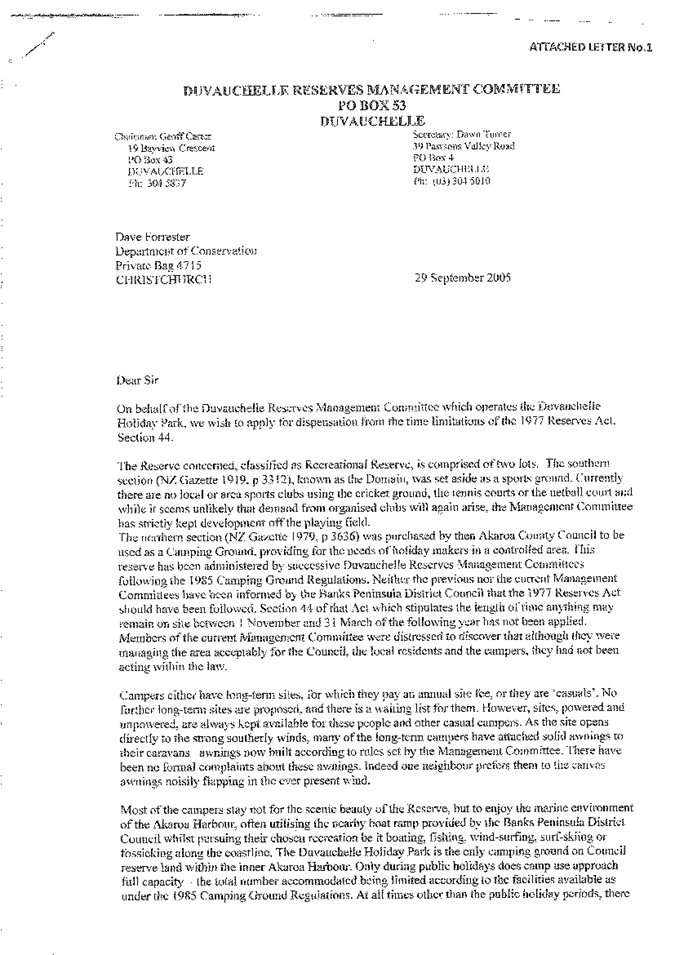
January 2006, the Banks Peninsula District Council, as administering body,
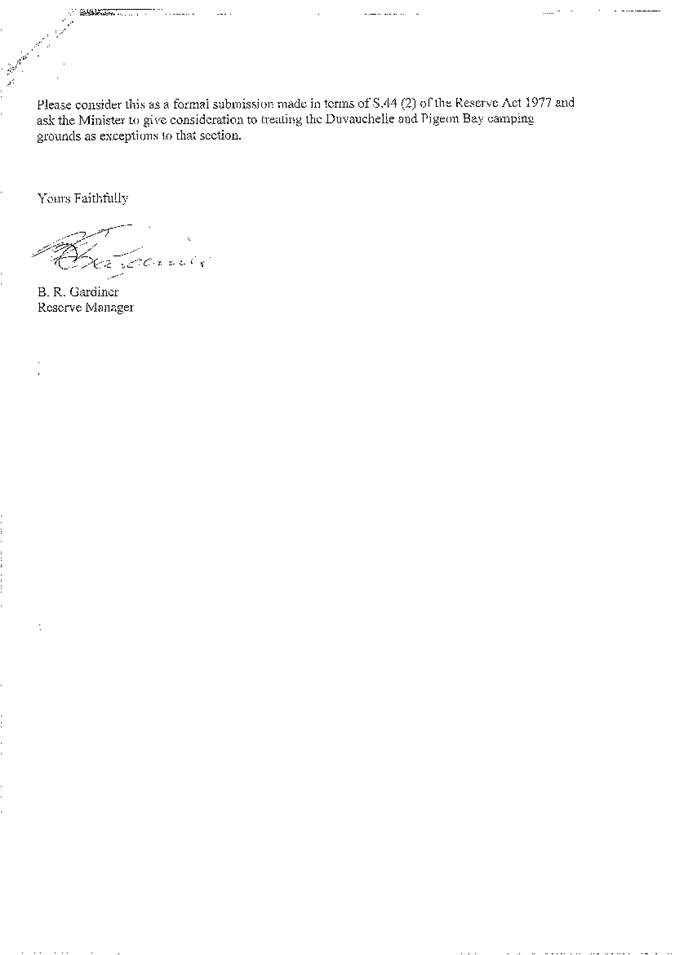
submitted a formal request under Section 44(2) of the Reserves Act seeking
consent to allow long‑term camping arrangements to continue at both Duvauchelle and Pigeon
Bay. That request was made concurrently with the drafting of the management
plans, with the intention that Ministerial consent would enable the plans to be
finalised and adopted.
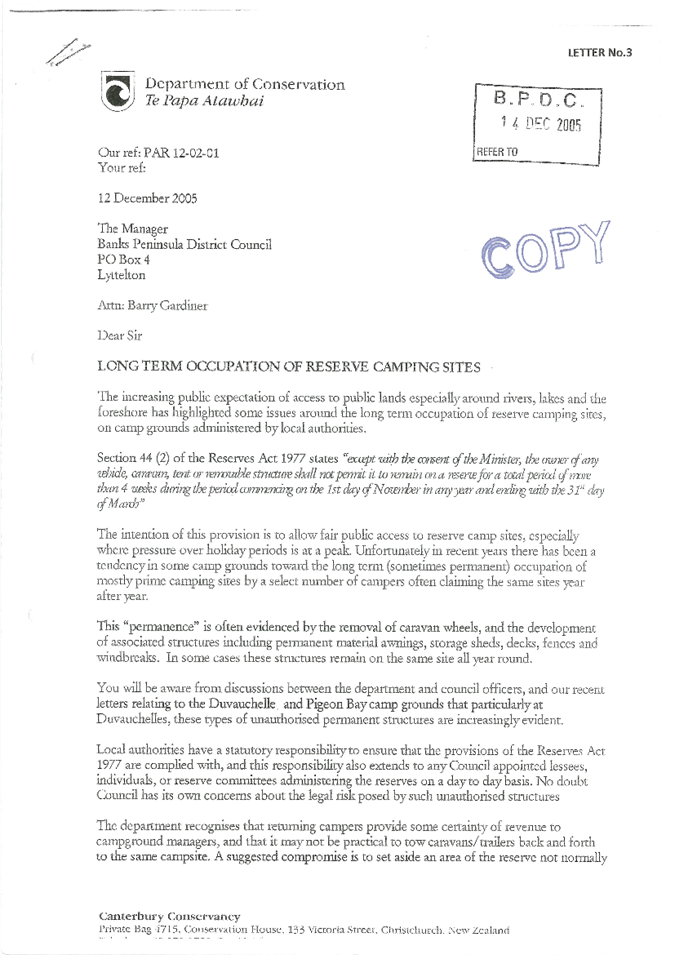
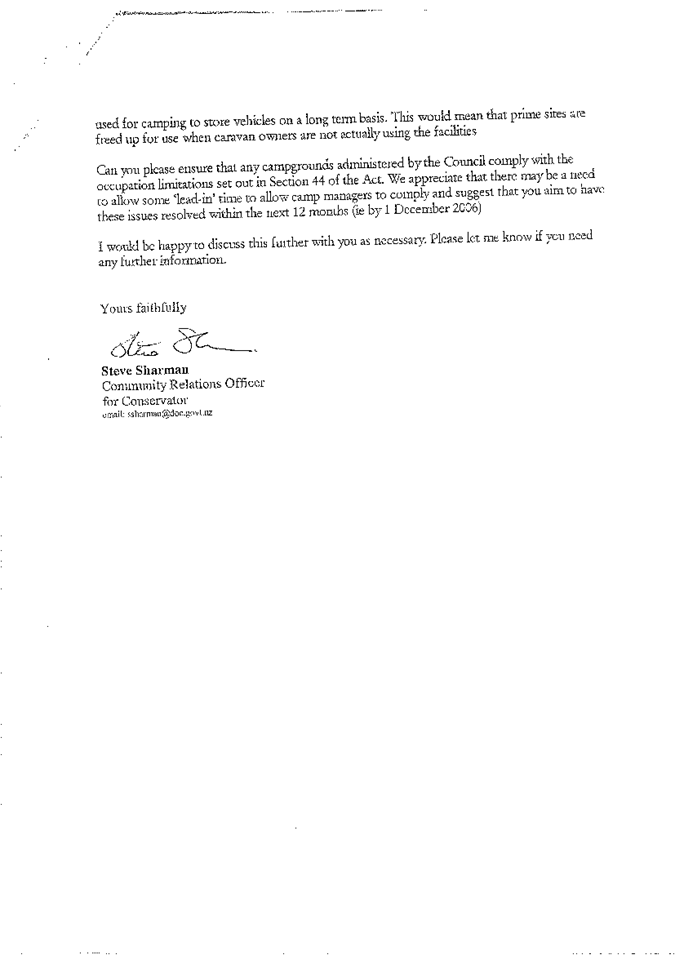
4.6.3 DOC
acknowledged the broader national challenges associated with campground
viability and long‑term occupation on reserve land. However, DOC advised that it could
not support the continuation of the existing arrangements, particularly at
Duvauchelle, due to concerns about permanent occupation, semi‑permanent structures, and the effective exclusion of the wider
public from prime camping sites. Ministerial consent was not granted, and
Council was advised that the non‑compliance with Section 44
of the Reserves Act would need to be addressed.
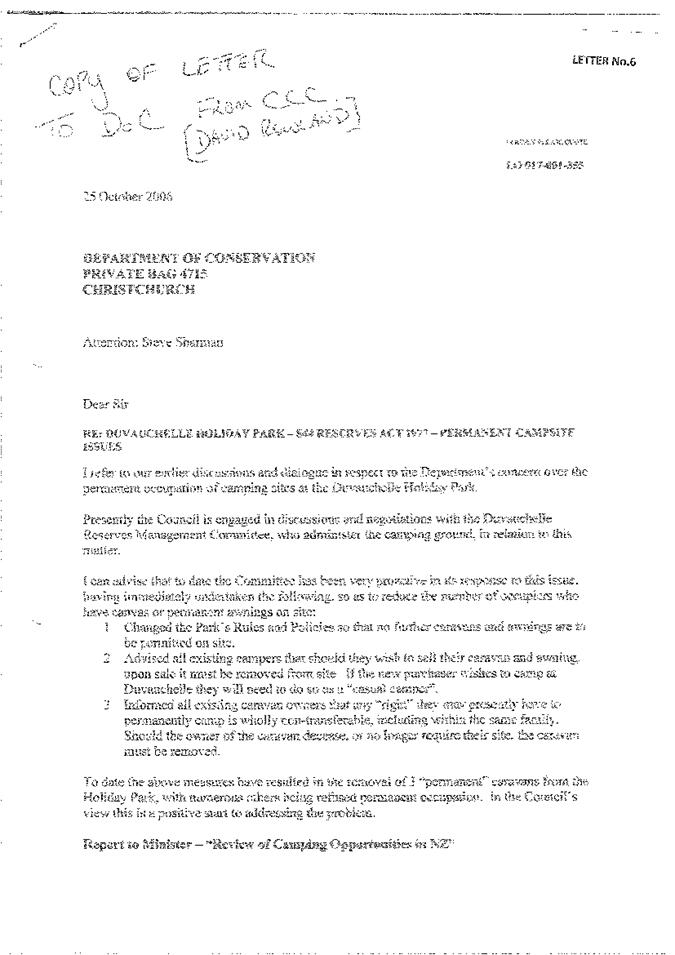
4.6.4 Following
DOC’s response, Christchurch City Council engaged further with the
Duvauchelle Reserve Management Committee. In October 2006, Council
formally advised the Department of Conservation that operational measures had
been introduced to reduce permanence, including prohibiting future on‑selling of caravans, requiring removal of caravans and associated
structures upon sale or relinquishment, and clarifying the non‑transferable nature of occupation. These measures were implemented
in the context of ongoing national discussion at the time about the application
of section 44(2), including DOC’s concurrent review of camping
opportunities. While these steps represented a positive move toward addressing
the issue, Ministerial consent under Section 44(2) was not granted and
the fundamental compliance issue was not fully resolved. As a result, neither
management plan progressed to adoption.
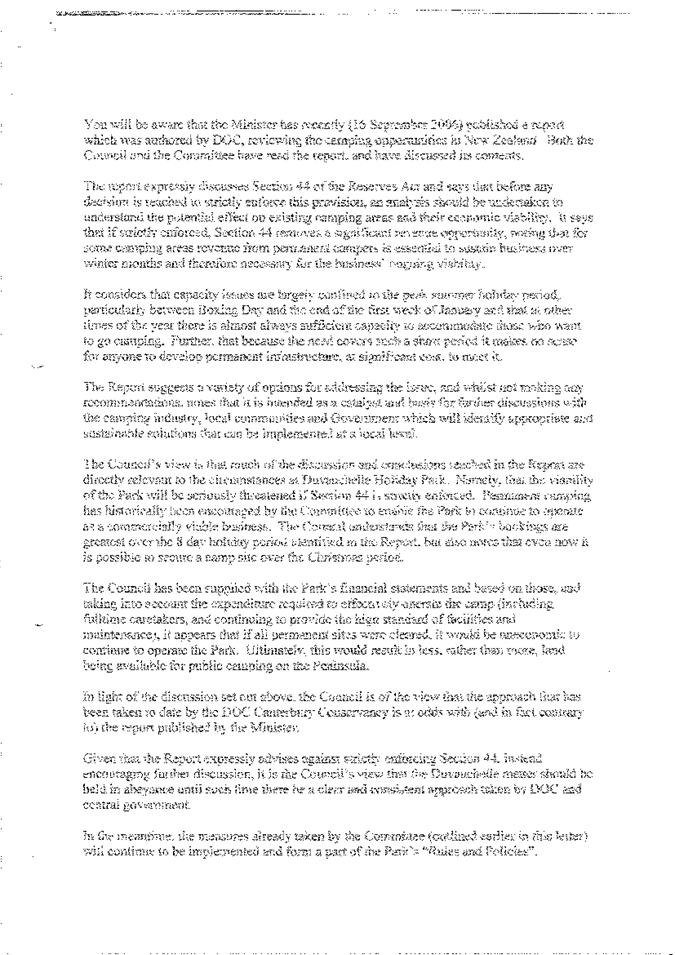
4.6.5 In
2006, the Department of Conservation published the Review
of Camping Opportunities in New Zealand, which
examined the intent and practical application of section 44(2) of the
Reserves Act. The review acknowledged that while the provision was intended to
prevent semi‑permanent occupation of reserve land during peak summer periods,
long‑term camping structures had developed on some reserves and were
relied upon to support campground viability. It noted that strict enforcement
could remove a significant revenue source for some campgrounds and advised that
enforcement decisions should be informed by analysis of impacts on existing
camping areas and their economic sustainability. This broader context
contributed to uncertainty about how section 44(2) should be applied in
practice and helps explain why the issue remained unresolved following earlier
Council and DOC engagement.
4.7 Alignment of Operational Practice and Statutory Requirements
4.7.1 Over
time, the management of annual sites at Duvauchelle and Pigeon Bay evolved in
practice in ways that were not always fully aligned with the requirements of
the Reserves Act 1977. While Christchurch City Council clarified expectations
with respect to the non‑transferable nature of occupation and the removal of caravans on
sale or relinquishment in the mid‑2000s, those settings were
not applied consistently over subsequent years. As a result, operational
practices developed that differed from the underlying statutory framework.
4.7.2 Increased
statutory scrutiny, changes in governance, and a renewed focus on compliance
and equitable access to public reserve land have now prompted Council to
formally revisit this long‑standing issue and consider options to restore alignment between
operational practice and legislative requirements in a managed and prospective
manner.
4.8 Delegation and Current Governance Context
4.8.1 Since
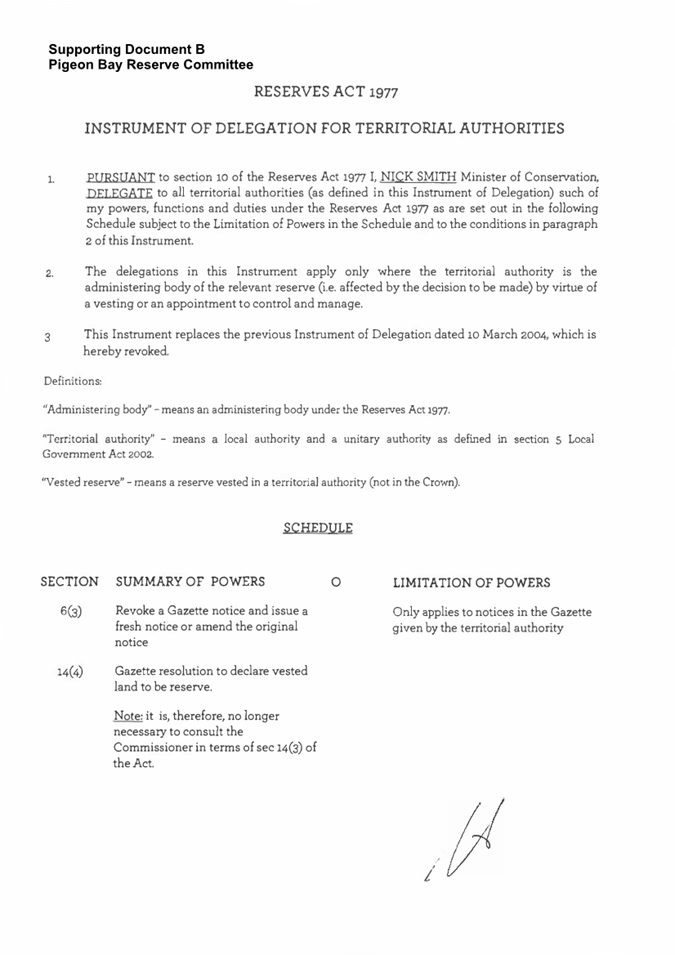
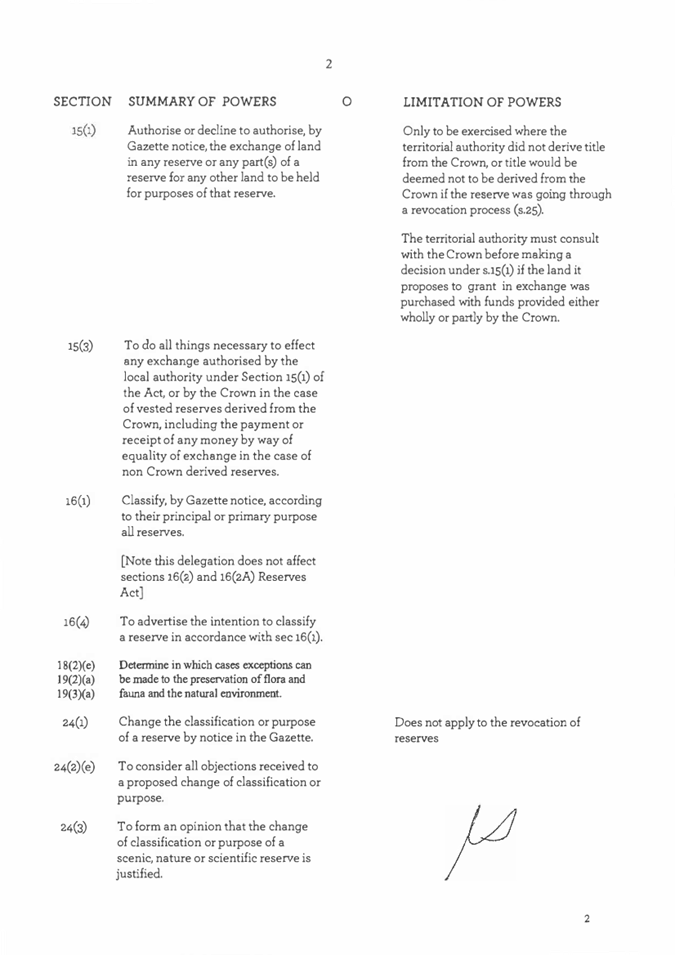
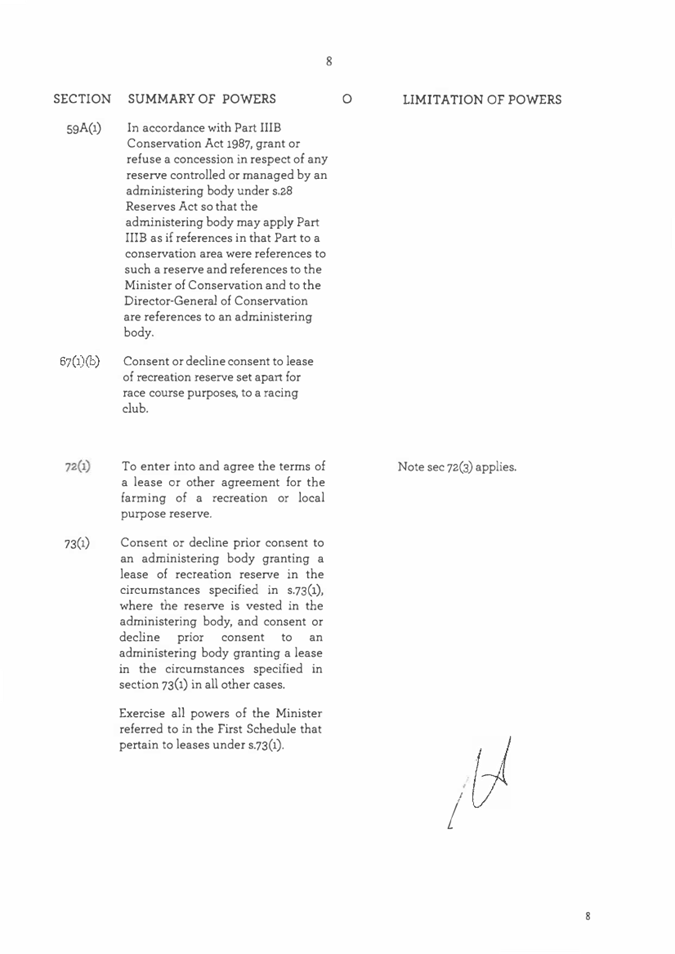
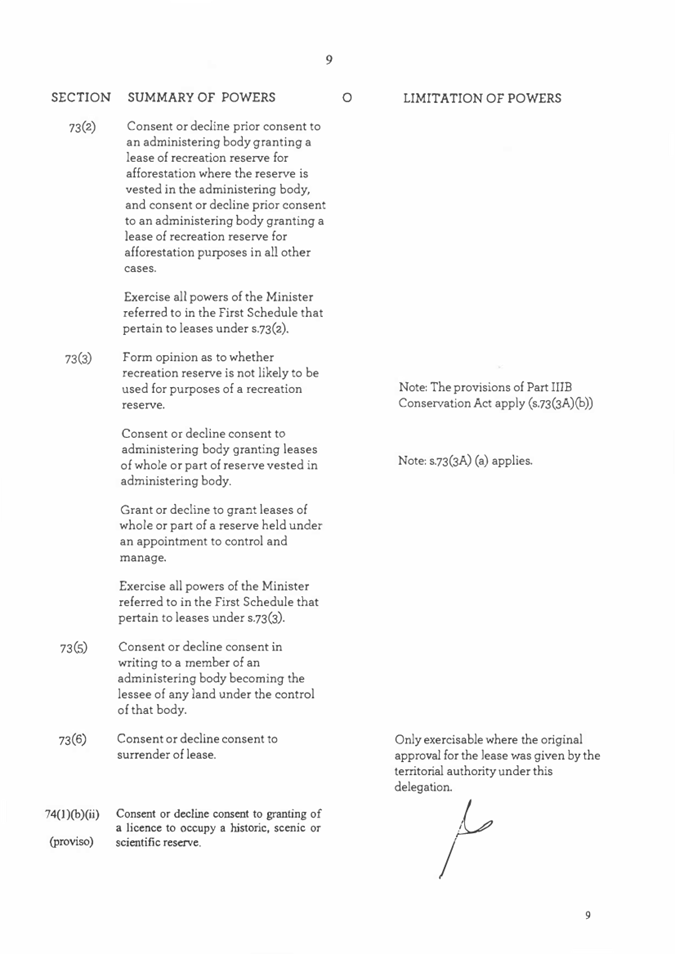
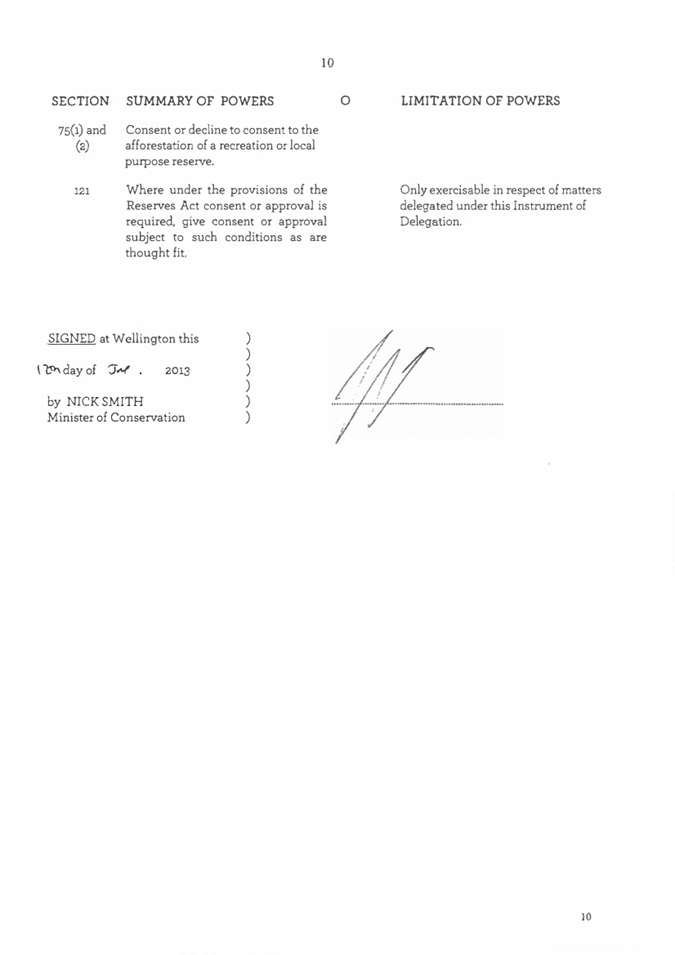
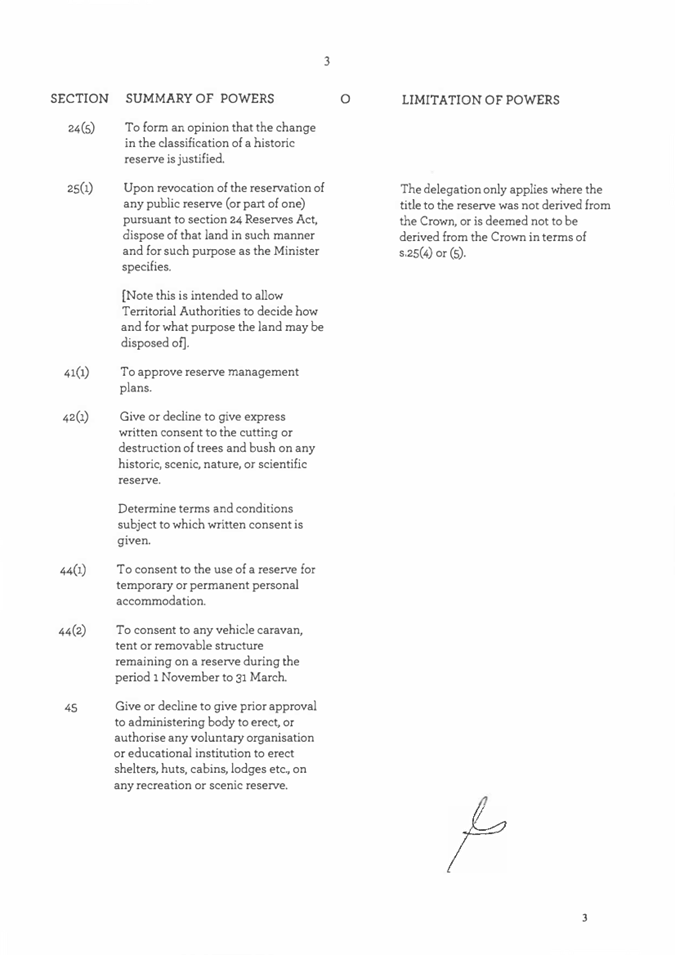
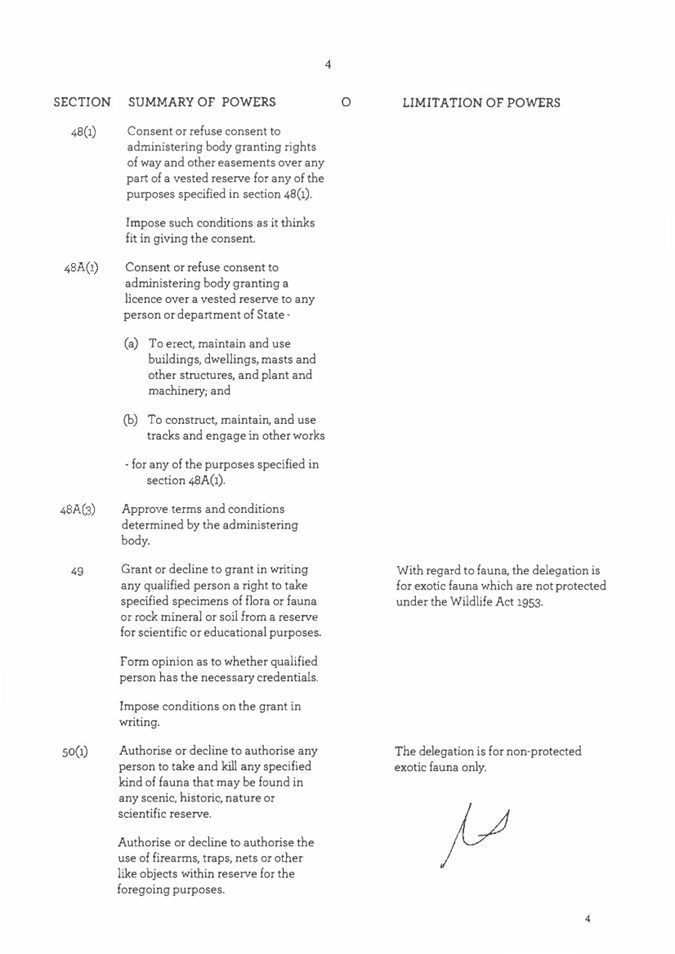
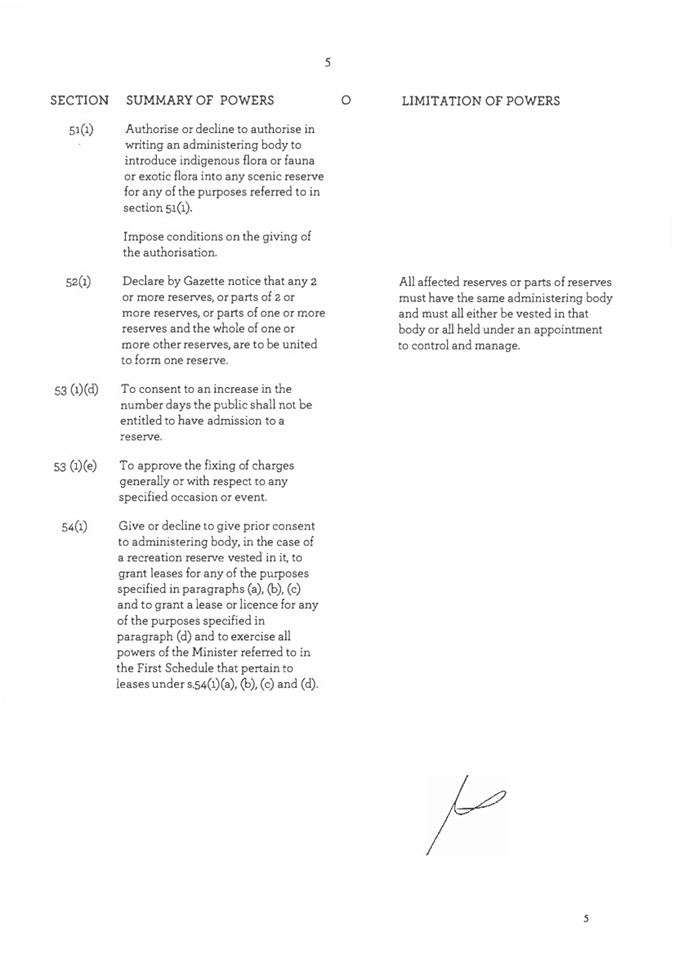
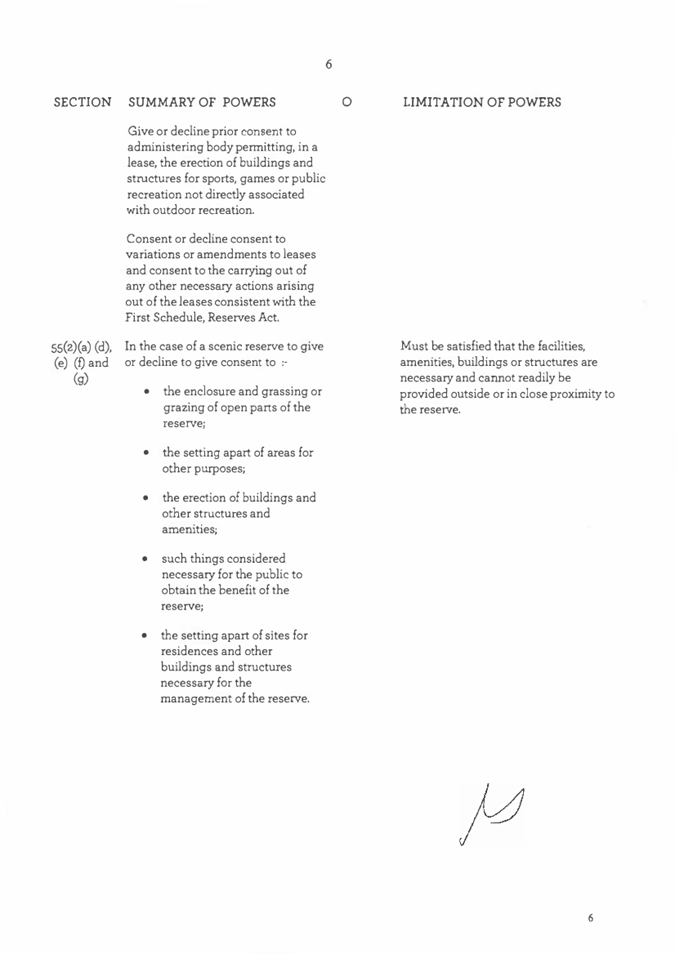
that time, the Chief Executive has been delegated authority by the Minister of
Conservation to grant consent under Section 44(2) of the Reserves Act for
reserves administered by the Council. This means that decisions on whether to
allow longer‑term occupation can now be made by Council (via the Chief
Executive), within the scope of that delegation, without requiring Ministerial
approval.
4.8.2 This
report is therefore presented as a Part A report. The role of the Community
Board is to consider the options and make a recommendation to Council. The
Chief Executive is the decision‑maker and holds the relevant delegated authority to approve or
decline consent under Section 44(2) of the Reserves Act.
4.9 Need for a Managed Compliance Pathway
4.9.1 The
current report revisits a long‑standing and unresolved statutory issue, rather than introducing a
new policy position. It reflects both the historic context and the current
legal and governance environment, including community consultation undertaken
in 2025–2026.
4.9.2 The
options presented seek to establish a clear, legally compliant framework for
the future operation of annual sites that:
· addresses the
concerns previously raised by DOC,
· improves
equitable access to public reserve land over time,
· clarifies the
non‑transferable nature of site occupation, and
· enables
Council (via the Chief Executive) to exercise its current delegated authority
in a transparent and defensible manner.
5. Key Issues – Ngā Take Matua
5.1 The options presented in this report respond to the following inter‑related issues affecting the ongoing operation of annual camping
sites at Duvauchelle Holiday Park and Pigeon Bay Campground:
5.2 Compliance with the Reserves Act 1977
5.2.1 Annual
camping sites at both locations operate in a manner that is not compliant with
Section 44 of the Reserves Act 1977 unless consent is granted under Section
44(2) of the Reserves Act. The absence of a formal compliance mechanism
presents ongoing legal and governance risk for Council as the administering
body of the reserves.
5.2.2 The
options differ in how this compliance issue is addressed, ranging from full
enforcement of Section 44 of the Reserves Act, through to granting consent with
or without changes to current operations.
5.3 Permanent and Semi‑Permanent Occupation
5.3.1 Historic
operating practices, particularly at Duvauchelle Holiday Park, have enabled the
long‑term occupation of sites and the establishment of semi‑permanent or permanent structures, including solid annexes, decks,
and caravans remaining on site year‑round. These practices are
inconsistent with the temporary nature of reserve occupation and were a central
concern raised in earlier engagement with the Department of Conservation.
5.3.2 The
options vary in the extent to which permanence is reduced, from immediate
removal of annual sites, to allowing annual sites to remain subject to
operational controls that progressively reduce semi‑permanent
structures.
5.4 Transferability and Succession of Site Use
5.4.1 At
Duvauchelle, historic practices have enabled the on‑selling
of caravans and associated improvements on‑site,
creating expectations of transferable or ongoing occupation rights. These
arrangements are not supported under the Reserves Act and contribute to
inequitable outcomes by allowing private transactions to influence access to
public reserve land.
5.4.2 The
options address this issue to varying degrees, including whether such practices
are discontinued immediately, phased out over time, or permitted to continue.
5.5 Equitable Access to Public Reserve Land
5.5.1 Both
draft reserve management plans and consultation feedback highlight the need to
ensure fair and equitable public access, particularly during peak summer
periods. Long‑term occupation of prime sites limits availability for casual
campers and contributes to perceptions of exclusivity on public land.
5.5.2 The
options differ in how equitable access is achieved, including whether annual
sites are removed, retained without change, or progressively transitioned to
one‑year, publicly allocated arrangements.
5.6 Community, Operational, and Financial Impacts
5.6.1 Annual
sites provide financial stability, year‑round
stewardship, and a strong sense of community within both campgrounds.
Consultation demonstrates strong support for retaining annual sites,
particularly among existing site holders, alongside broader community concerns
about access, fairness, and appearance.
5.6.2 Each
option carries different community and operational consequences, ranging from
significant disruption to existing users, through to more gradual change
designed to maintain campground viability.
5.7 Historic Attempts to Resolve Compliance
5.7.1 Council
has previously attempted to address these issues through draft reserve
management plans and a formal request for consent in 2006. That consent was not
granted, and the management plans were not adopted, leaving the underlying
compliance issue unresolved.
5.7.2 The
current options reflect different approaches to resolving a long‑standing issue, informed by past experience and updated governance
arrangements.
5.8 Governance, Delegation, and Decision‑Making
5.8.1 Christchurch
City Council (via the Chief Executive) now holds delegated authority to grant
consent under Section 44(2) of the Reserves Act for reserves it administers.
This provides Council with the ability to resolve the compliance issue locally.
The Community Board’s role is to consider the options and recommend a
preferred approach to Council through this Part A report.
5.9 Need for a Managed Transition
5.9.1 A
key consideration across all options is whether change occurs immediately or
through a managed transition. A defensible solution must balance legal
compliance with fairness to existing users, operational practicality, and long‑term reserve stewardship.
5.9.2 The
options differ substantially in the scale and speed of change proposed, and in
how transitional arrangements for existing annual site holders are handled.
6. Options Considered Ngā Kōwhiringa Whaiwhakaaro
6.1 The following reasonably practicable options were considered to
address the ongoing management of annual camping sites at Duvauchelle Holiday
Park and Pigeon Bay Campground while responding to the key issues outlined
above, including statutory compliance, permanence, equitable access, community
impacts, and governance.
6.1.1 Option
one
Full compliance with Reserves Act, which
includes removing long-time sites over summer.
· Enforce a
policy where no vehicle, caravan, tent, or removable structure remains on the
reserve for more than four weeks during the peak summer season (1 November
– 31 March).
· This could
mean the long-term sites are balloted over winter, or not having long-term
sites at all.
6.1.2 Option
two
Allow annual sites as is, and seek
consent from the Minister
· Seek consent
for structures to remain on the reserves for more than four weeks during the
peak summer season (1 November – 31 March) (No operational changes).
6.1.3 Option
three
Allow annual sites to remain but with
operational changes and seek consent from the minister. Changes may include:
· Implementing
changes to reduce the number of annual camping sites.
· Adjust
operating procedures to increase equitable access to camping sites.
6.2 For
clarity, references to seeking consent ‘from the Minister’ reflect
consultation wording at the time and should be read as seeking consent under
section 44(2) of the Reserves Act through the Chief Executive, who now holds
delegated authority.
6.3 No
additional practicable options were identified that would:
6.3.1 adequately address statutory compliance,
6.3.2 maintain campground viability, and
6.3.3 respond
to historic equity and permanence concerns.
6.4 Hybrid
approaches that retained transferability or permanent structures without ballot‑based
reallocation were considered but ruled out due to ongoing legal risk.
Options Descriptions Ngā Kōwhiringa
6.5 Preferred Option: Option 3: Allow Annual Sites to Remain with
Operational Changes and Grant Consent
6.6 Under this option, Council would grant consent under Section 44(2)
of the Reserves Act while implementing operational changes designed to address
permanence, transferability, and equitable access over time.
6.7 Key operational elements may include:
6.8 Existing annual site holders continuing under current arrangements.
6.9 All caravans, annexes, and associated structures being fully removed
from the reserve when a site is relinquished.
6.10 Vacated sites reverting to one‑year
annual sites allocated by public ballot.
6.11 All future caravans required to remain road legal.
6.12 No hard annexes or semi‑permanent structures
permitted, with only removable canvas awnings allowed.
6.13 On‑selling of caravans or annexes on‑site
not permitted.
6.14 Response to Key Issues
6.14.1 Compliance:
Provides a lawful pathway under Section 44 of the Reserves Act using
Council’s delegated authority.
6.14.2 Permanence:
Progressively reduces semi‑permanent structures and long‑term
site fixation.
6.14.3 Transferability:
Removes on‑selling and perceived succession of occupation rights.
6.14.4 Equitable
Access: Improves fairness and transparency through annual ballot allocation as
sites become available.
6.14.5 Community
and Operational Impacts: Balances community reliance on annual sites with the
need for change.
6.14.6 Governance:
Enables Council to exercise delegated authority in a defensible manner.
6.14.7 Transition:
Establishes a managed and staged transition rather than immediate disruption.
6.14.8 Option
3 is consistent with approaches supported by local Reserve Committees,
including managed reductions in annual site numbers, clearer operational
controls, and periodic review to balance annual and casual use over time.
6.14.9 Option
3 addresses the compliance and governance risks while recognising the social
and operational role of annual sites.
6.14.10 Option
Disadvantages
6.14.11 While
Option 3 provides a managed and legally robust pathway to compliance, it has
the following disadvantages:
6.14.12 Slower
transition to full equity outcomes:
Improvements to equitable access occur incrementally as sites are relinquished,
meaning some features of long‑term occupation will remain during the transition period.
6.14.13 Increased
administrative complexity:
Ongoing management of compliance requirements, public balloting processes, and
site transitions requires more active administration than either full
compliance or maintaining the status quo.
6.14.14 The
shift to one‑year annual sites as vacancies arise increases turnover over time
and reduces long‑term certainty for future site holders.
6.14.15 Dissatisfaction
among existing site holders:
Some existing site holders may be dissatisfied, particularly those who had
intended to sell caravans or annexes in situ, as Option 3 prohibits on‑selling and requires removal of improvements on site relinquishment.
6.14.16 Perceived
lack of equality during transition:
Allowing current annual site holders to
continue under existing arrangements while new sites are allocated by ballot
may be perceived by some as unequal treatment, despite being intended as a
transitional fairness measure.
6.14.17 Residual
reputational and challenge risk:
Although reduced, there remains some risk of criticism or challenge if the
transition is perceived as too slow or if operational rules are not applied
consistently.
6.14.18 Despite
these disadvantages, Option 3 is considered to provide the most appropriate
balance between achieving statutory compliance, managing community and
operational impacts, and improving equitable access to public reserve land over
time. It addresses the core legal and governance risks while avoiding the
significant disruption and financial uncertainty associated with immediate full
compliance, and provides a clear, transparent framework for future site
allocation and management.
6.15 Option 1: Full Compliance with the Reserves Act 1977 (No Consent
Sought).
6.16 Under this option, Council would not grant consent under Section
44(2) of the Reserves Act. Annual sites would be discontinued, and Council
would enforce a policy whereby no vehicle, caravan, tent, or removable
structure remains on the reserve for more than four weeks during the period 1
November to 31 March, in accordance with Section 44 of the Reserves Act.
6.17 Response to Key Issues
6.17.1 Compliance:
Achieves immediate statutory compliance.
6.17.2 Permanence:
Removes all long term and semi permanent occupation.
6.17.3 Transferability:
Eliminates any transfer or succession of site use.
6.17.4 Equitable
Access: Maximises availability of sites for casual campers during peak
periods.
6.17.5 Governance:
Does not require the Chief Executive to exercise delegated consent authority.
6.17.6 Option
Disadvantages
6.17.7 Community
and Operational Impacts: Has significant impacts on existing annual site
holders and campground revenue models.
6.17.8 Transition:
Represents an immediate and disruptive change with limited transition
arrangements.
6.18 Option
2: Allow Annual Sites to Remain as Currently Operated and Grant Consent
6.18.1 Description
Under this option, Council would grant consent under
Section 44(2) of the Reserves Act allowing annual sites to remain, with no
substantive changes to existing operational arrangements.
6.18.2 Response
to Key Issues
6.18.3 Compliance: Addresses statutory non‑compliance through consent
alone.
6.18.4 Permanence:
Allows continuation of existing long‑term occupation and semi‑permanent
structures.
6.18.5 Community
and Operational Impacts: Minimises immediate change for existing annual site
holders.
6.18.6 Option
Disadvantages
6.18.7 Transferability:
Does not resolve historic on‑selling practices or perceptions of
succession, particularly at Duvauchelle.
6.18.8 Equitable
Access: Retains the current allocation model, limiting broader public access to
annual sites.
6.18.9 Governance:
Relies on delegated consent authority but retains higher long‑term
compliance risk.
6.18.10 Transition: Does not provide a pathway to address underlying
concerns identified in earlier DOC engagement.
Earlier engagement with the Department of Conservation
indicates that consent without accompanying operational change does not
address the issues that previously prevented approval, including permanence
and equitable access.
Analysis Criteria Ngā Paearu Wetekina
6.19 The options presented in this report have been assessed against the
following analysis criteria. These criteria reflect the key issues identified
and provide a consistent framework for comparing the advantages, disadvantages,
and risks associated with each option.
6.20 Statutory Compliance
The extent to which each option achieves
compliance with Section 44 of the Reserves Act 1977, either through enforcement
of the Act or through the lawful granting of consent under Section 44(2) of the
Reserves Act, and the degree to which ongoing legal and governance risks are
mitigated.
6.21 Permanence and Nature of Occupation
The extent to which each option reduces or
allows long‑term or semi‑permanent occupation of reserve land, including the presence of hard
annexes, decks, non‑mobile caravans, and structures remaining on site year‑round. This includes consideration of whether each option aligns
with the temporary use of recreation reserve land.
6.22 Transferability and Equity of Site Allocation
The degree to which each option addresses
the transfer, succession, or on‑selling of occupation rights and improves fairness in the allocation
of annual sites. This includes consideration of transparency, non‑transferability, and Council’s ability to retain control over allocation of public reserve land.
6.23 Equitable Public Access
The extent to which each option promotes
fair and equitable public access to camping opportunities, particularly during
peak summer periods, and reduces perceptions of exclusivity or privileged
occupation of public land.
6.24 Community and Social Impact
6.24.1 The
impact of each option on:
· existing
annual site holders, broader community users,
· reserve
committees, and
· the social and
community value associated with long‑standing campground use.
6.24.2 This
includes consideration of the magnitude and pace of change, and how disruption
to existing users is managed.
6.25 Operational and Financial Sustainability
6.25.1 The
extent to which each option supports the ongoing operation and financial
viability of the campgrounds, including year‑round
caretaking, maintenance standards, and the ability to fund reserve‑related services and facilities.
6.26 Governance and Delegation
6.26.1 The
degree to which each option enables Council to exercise its delegated authority
under Section 44(2) of the Reserves Act, in a clear, defensible, and
transparent manner, and the extent to which decision‑making
responsibilities between the Community Board and Council are appropriately
respected.
6.27 Transition and Implementability
6.27.1 The
feasibility of implementing each option, including:
· the clarity of
operational requirements,
· the need for
transitional arrangements,
· the ability to
progressively move toward compliance, and
· the
practicality of enforcement and administration over time.
7. Option Comparison Summary – Whakarāpopoto
Kōwhiringa
|
Analysis Criterion
|
Option 1: Full Compliance (No Consent)
|
Option 2: Consent with No Operational Change
|
Option 3: Consent with Operational Changes
(Preferred)
|
|
Statutory Compliance
|
Achieves immediate compliance by
enforcing Section 44 limits.
|
Achieves compliance through consent alone
but retains underlying risks.
|
Achieves compliance through consent
supported by operational controls.
|
|
Permanence and Semi‑Permanent Structures
|
Removes all long‑term use and semi‑permanent
structures immediately.
|
Allows continuation of long‑term
occupation and existing structures.
|
Progressively removes semi‑permanent
structures as sites are relinquished.
|
|
Transferability and Succession
|
Eliminates all transfer or succession by
removing annual sites.
|
Does not resolve historic on‑selling
or perceptions of succession.
|
Removes on‑selling and succession
by requiring removal and reallocation.
|
|
Equitable Public Access
|
Maximises access by converting all sites
to short‑term use.
|
Maintains current access arrangements
with limited change.
|
Improves equitable access over time
through one‑year, balloted sites.
|
|
Community and Social Impact
|
High impact on existing annual site
holders and community use.
|
Lowest immediate impact on existing site
holders.
|
Moderated impact through managed
transition and continuation for existing holders.
|
|
Operational and Financial Sustainability
|
Significant risk to campground revenue
and year‑round viability.
|
Retains current revenue model but with
higher long‑term compliance risk.
|
Retains revenue while improving long‑term
sustainability and defensibility.
|
|
Governance and Legal Risk
|
Low ongoing risk once enforced, but high
disruption risk.
|
Higher ongoing risk if consent conditions
are challenged or reviewed.
|
Lower long‑term risk by aligning
consent with operational practice.
|
|
Implementability
|
Simple to implement but difficult to
manage community impacts.
|
Simple administratively but difficult to
justify defensibly.
|
More complex to implement but clear,
staged, and manageable.
|
|
Transition and Fairness
|
No transition; immediate change.
|
No transition; retains current
arrangements.
|
Provides a staged transition that
recognises existing users while changing future allocation.
|
7.1 The
comparison highlights that Option 3 best addresses statutory compliance while
balancing community, operational, and governance considerations through a
managed transition.
8. Financial Implications Ngā Hīraunga Rauemi
Capex/Opex Ngā Utu Whakahaere
|
|
Option 3: Consent with Operational Changes (Preferred)
|
Option 2 - Consent with No Operational Change
|
Option 1:
Full Compliance
|
|
Cost to Implement
|
Nil.
|
Nil.
|
Some additional Opex likely to remediate
sites
|
|
Maintenance/Ongoing Costs
|
Maintenance costs broadly consistent with current
arrangements over the short to medium term.
|
Existing maintenance arrangements continue.
|
Potential increase due to higher site turnover and reduced
on‑site stewardship.
|
|
Funding Source
|
Existing campground operational budgets. Retains
current annual site revenue.
|
Existing campground operational budgets. Retains
current annual site revenue.
|
Existing operational budgets, with potential shortfall due
to removal of annual site revenue.
|
|
Funding Availability
|
Fully funded within existing budgets.
|
Fully funded within existing budgets.
|
Would require adjustment if revenue declines materially.
|
|
Impact on Rates
|
No impact on rates anticipated.
|
No impact on rates anticipated.
|
Potential indirect impact if campground revenue becomes
insufficient to cover operating costs.
|
8.1 Summary of Financial Implications
The financial implications of the options primarily relate to the
sustainability of campground operations, the degree of revenue certainty, and
the potential for additional operational or compliance costs over time. Both
campgrounds operate on a largely self‑funding basis, with a combination
of annual site fees and casual camping revenue supporting day‑to‑day
operations, maintenance, and staffing.
8.2 Option 1 – Full Compliance
This would achieve immediate statutory compliance through the removal of annual
sites. However, it presents a material financial risk to campground operations
due to the loss of predictable, year‑round income. This could
undermine the current self‑funding model, increase reliance on Council funding, or require a
reduction in service levels.
8.3 Option 2 – Consent with no operational change
This would maintain existing revenue streams in the short term but would
retain higher long‑term legal and governance risk. If enforcement action
were later required, or if conditions were imposed following further review,
this could result in unplanned financial impacts, transitional costs, or
disruption to campground operations. The ongoing risk of non‑compliance
also creates uncertainty for long‑term financial planning.
8.4 Option 3 – Consent with operational changes
This retains the financial stability provided by annual sites in the
short to medium term while progressively transitioning to a more legally
defensible and equitable operating model. By way of context, annual site fees
accounted for approximately 20% of total campground revenue at Pigeon Bay in
the most recent financial year ($10,200 of $50,087) and approximately 17% of
total revenue at Duvauchelle ($51,741 of $310,255).
Any additional operational costs associated with
introducing balloted annual sites, compliance monitoring, or site transition
are expected to be minor and manageable within existing operational budgets.
8.5 Impacts on Existing Annual Site Holders
A number of submitters raised concerns about the potential financial and
personal impacts on existing annual site holders, particularly where caravans
or annexes are not readily transportable and represent significant personal
investment. Option 3 avoids the immediate removal of existing sites and
structures and instead provides a managed transition that mitigates abrupt
financial hardship while establishing clearer and more transparent future
arrangements.
8.6 Infrastructure and Peak‑Season Demand
Some submitters noted that a rapid increase in peak‑season
casual use could place pressure on toilet and wastewater infrastructure. The
staged approach proposed under Option 3 avoids a sudden increase in peak demand and allows infrastructure
capacity to be managed within existing constraints and review processes.
8.7 Overall Financial Assessment
Overall, Option 3 provides the best balance between financial
sustainability, legal compliance, and operational certainty. It preserves the
viability of existing campground operations while enabling a lawful transition
over time, without requiring additional capital investment or creating any
immediate impact on rates.
9. Considerations Ngā Whai Whakaaro
Risks and Mitigations Ngā Mōrearea me
ngā Whakamātautau
9.1 Risk 1: Ongoing Statutory Non‑Compliance
9.1.1 Annual
camping sites at Duvauchelle Holiday Park and Pigeon Bay Campground currently
operate as licences to occupy public reserve land, rather than leases or
tenancies. In the absence of consent under Section 44(2) of the Reserves Act
1977, this creates ongoing legal and governance risk for Council as the
administering body.
9.1.2 Mitigation:
Granting consent under Section 44(2) of the Reserves Act, supported by clear
operational controls, provides a lawful pathway to continued operation while
reducing ongoing compliance risk.
9.2 Risk 2: De Facto Permanence of Occupation
9.2.1 Historical
operating practices—particularly at Duvauchelle Holiday Park—have
enabled semi‑permanent structures and long‑term
occupation patterns that are inconsistent with the temporary nature of reserve
land use. These practices have created expectations of permanence that increase
legal and policy risk.
9.2.2 Mitigation:
Option 3 introduces operational controls that progressively reduce permanence,
including prohibiting hard annexes, requiring caravans to remain road legal,
and mandating removal of all structures when a site is relinquished.
9.3 Risk 3: Transferability and Succession of Site Use
9.3.1 At
Duvauchelle, historical on‑selling of caravans and associated improvements has created implied
rights of transfer or succession that Council is not legally empowered to grant
under the Reserves Act.
9.3.2 Mitigation:
Prohibiting on‑selling or transferral of sites and requiring removal of caravans
and annexes on relinquishment removes implied transfer rights, restores Council
control over site allocation, and reduces precedent risk.
9.4 Risk 4: Inequitable Access to Public Reserve Land
9.4.1 Long‑term occupation of prime sites can limit availability for casual
campers and contribute to perceptions of exclusive or privileged use of public
land.
9.4.2 Mitigation:
The transition to one‑year annual sites allocated through public ballot, as vacancies
arise, incrementally improves equitable access while avoiding abrupt
disruption.
9.5 Risk 5: Community and Reputational Impact
9.5.1 Introducing
change to long‑standing arrangements carries a risk of community dissatisfaction,
particularly among existing annual site holders who have economic and social
investment in the campgrounds.
9.5.2 Mitigation:
Option 3 provides a managed transition that allows existing site holders to
continue under current arrangements, reducing immediate impact while clearly
signalling future settings.
9.6 Risk 6: Governance and Decision‑Making
Risk
9.6.1 Failure
to clearly distinguish between Community Board and Council decision‑making roles could create confusion or challenge.
9.6.2 Mitigation:
This report is clearly structured as a Part A report, with the Community Board
providing a recommendation and Christchurch City Council (via the Chief
Executive) exercising delegated authority under Section 44(2) of the Reserves
Act. This governance pathway has been made explicit throughout the report.
9.7 Risk 7: Implementation and Operational Complexity
9.7.1 Operational
changes such as balloting, compliance monitoring, and site transition introduce
additional administrative requirements.
9.7.2 Mitigation:
These changes are incremental, align with existing campground management
practices, and can be implemented within current operational structures and
budgets.
9.8 Risk 8: Financial and personal impact on existing site
holders
9.8.1 Some
site holders expressed concern about potential financial loss associated with
relocating or disposing of caravans or annexes if changes were implemented
abruptly.
9.8.2 Mitigation:
Option 3 enables existing annual site holders to continue under current
arrangements and applies new requirements only as sites are relinquished,
significantly reducing the risk of sudden financial or personal hardship.
9.9 Overall Risk Assessment
9.10 With the proposed mitigations in place, the residual risks
associated with Option 3 are assessed as manageable and proportionate,
particularly when compared to the risks associated with either full enforcement
or consent without operational change.
Legal Considerations Ngā Hīraunga
ā-Ture
9.11 Statutory and/or delegated authority to undertake proposals in the
report:
9.11.1 Duvauchelle
Holiday Park and Pigeon Bay Campground are located on recreation reserves
administered by Christchurch City Council under the Reserves Act 1977.
9.11.2 Section
44 of the Reserves Act 1977 restricts the length of time that any vehicle,
caravan, tent, or removable structure may remain on a recreation reserve during
the period from 1 November to 31 March, unless consent is granted under Section
44(2) of the Reserves Act.
9.11.3 The
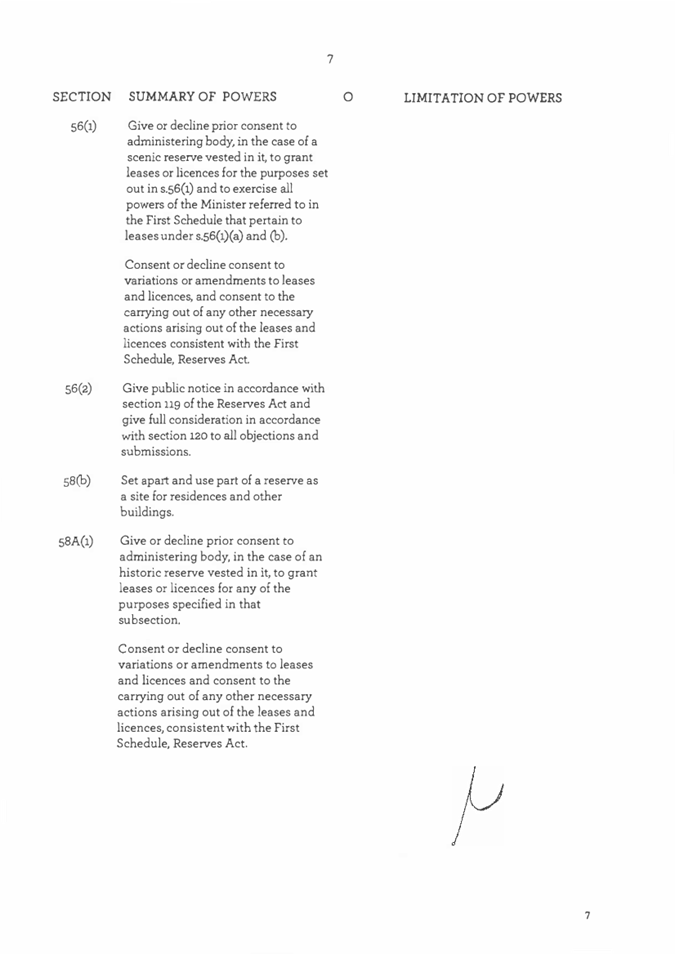
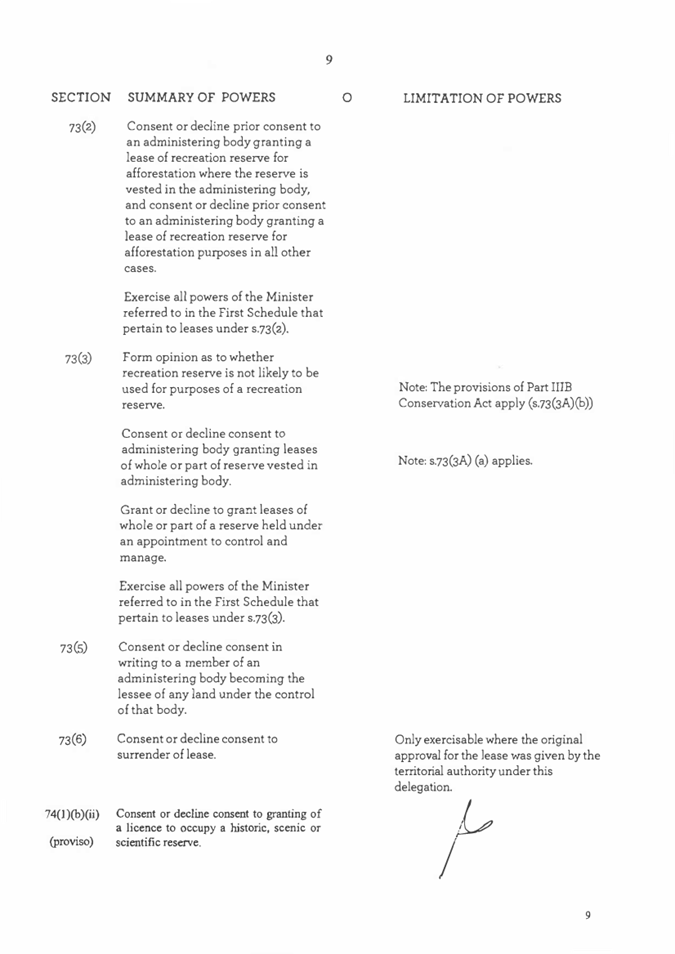
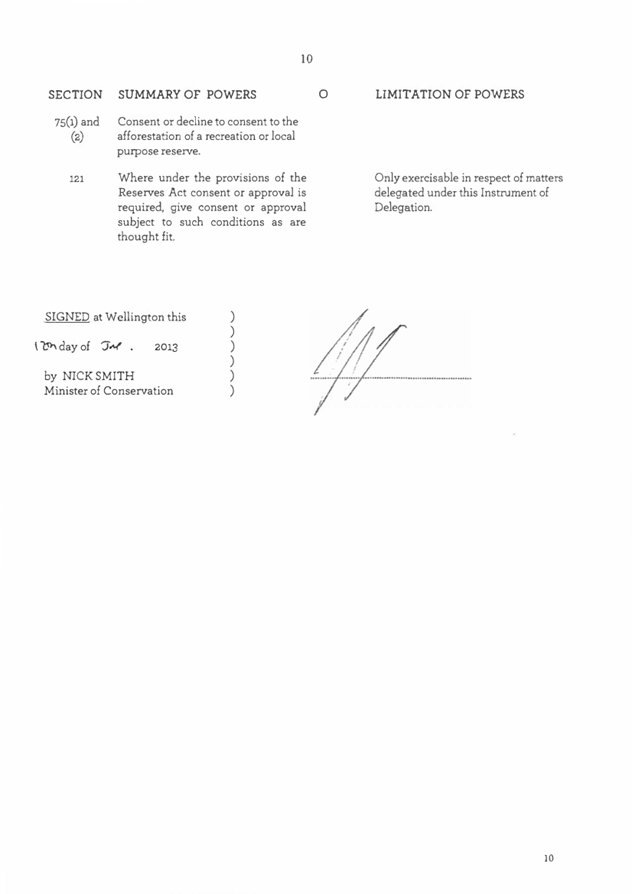
Chief Executive holds delegated authority from the Minister of Conservation to
grant consent under Section 44(2) of the Reserves Act for recreation reserves
that it administers. Accordingly, Ministerial approval is not required for the
proposals outlined in this report, provided Council exercises that delegation
in accordance with its terms.
9.11.4 This
report is presented as a Part A report. The role of Te Pātaka o
Rākaihautū Banks Peninsula Community Board is to consider the
options and provide a recommendation to the Chief Executive is the decision‑maker and has the statutory and delegated authority to approve or
decline consent under Section 44(2) of the Reserves Act 1977.
9.12 Other Legal Implications
9.12.1 The
proposals in this report do not:
· grant any
leasehold, ownership, or proprietary interest in reserve land;
· create
transferable or inheritable occupation rights; or
· alter the
classification or legal status of the reserves.
9.12.2 No
additional statutory consents or approvals are required beyond Council’s
decision under Section 44(2) of the Reserves Act.
9.12.3 Annual camping sites operate as licences to occupy, which are
personal, time‑limited, and non‑transferable, and do not confer any leasehold, ownership, or
permanent occupation rights under the Reserves Act 1977. While some submitters referred to historic practices or
approvals that allowed caravans or annexes to be established, Christchurch City
Council has previously clarified that any right to occupy a site is non‑transferable and that caravans and associated structures must be
removed from the reserve upon sale or relinquishment. This position was
communicated to the Department of Conservation in October 2006 and
reflects Council’s long‑standing approach to addressing non‑compliance
associated with permanent occupation at Duvauchelle Holiday Park. The
operational controls proposed under Option 3—including
removal of caravans and annexes on site relinquishment, prohibition of on‑selling, and requirements for removability—are consistent with the Reserves Act 1977 and established Council practice for occupation of public
reserve land.
Strategy
and Policy Considerations Te
Whai Kaupapa here
9.13 The required Decision:
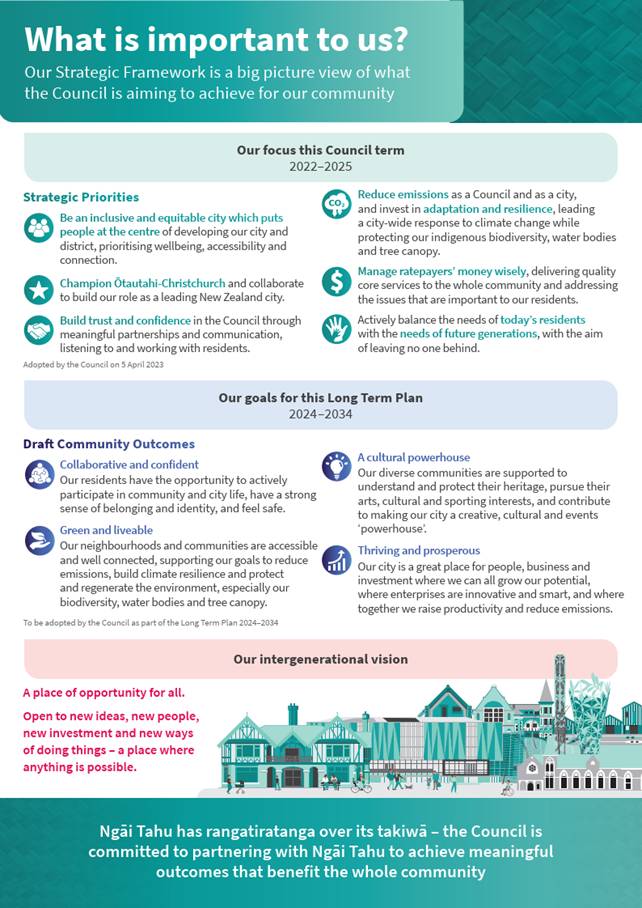
9.13.1 Aligns
with the Christchurch
City Council’s Strategic Framework.
9.13.2 Is
assessed as low significance based on the Christchurch City Council’s
Significance and Engagement Policy. The level of significance was
determined by <enter text>.
9.13.3 Is consistent with Council’s Plans and
Policies.
9.14 This report supports the Council's
Long Term Plan (2024 - 2034):
9.15 Parks, Heritage and Coastal Environment
9.15.1 Activity: Parks and Foreshore
· Level of Service: 6.0.1 All Community Parks are managed and
maintained in a clean, tidy, safe, functional, and equitable manner
(Maintenance) - 90% Maintenance Plan key performance indicators are achieved Provide citizens access to fit-for-purpose network of
recreation and sporting facilities
Level of Service 7.0.7, Deliver a high level of satisfaction with the range and
quality of facilities.
Community
Impacts and Views Ngā Mariu ā-Hāpori
9.16 Consultation started on 17 December and ran until 31 January 2026.
9.17 Consultation details including links to the project information
shared on the Kōrero mai |
Let’s Talk webpage were advertised via:
· An email sent to 20
identified stakeholders, as well as Pigeon Bay Reserve Committee (6),
Duvauchelle Reserve Committee (5), all annual site holders (92) and those
waitlisted for annual sites (33).
· Consultation
documents delivered to Pigeon Bay households (50).
· Flyers and posters
at Pigeon Bay Hall.
· Two signs up at each
campground and posters in each toilet cubicle.
· Two social media
posts to Banks Peninsula Community and Akaroa – What is happening?
· A link to the
consultation site on the Duvauchelle Holiday Park webpage.
· Consultation
information emailed out in the post-stay survey over the consultation period.
9.18 The Kōrero mai |
Let’s Talk page had 1,792 views throughout
the consultation period.
Summary of
Submissions Ngā Tāpaetanga
9.19 Overall, 321 submissions were received from three organisations and
318 individuals. All submissions are available on the Kōrero mai |
Let’s Talk page.
Pigeon Bay campground
9.20 176 submitters provided feedback for Pigeon Bay campground,
including three organisations (Pigeon Bay Reserve Committee, Pigeon Bay Boating
Club, Penny) and 173 individuals.
9.21 Submitters were asked to select their preference out of three
options:
· Option one – Full
compliance with the Act, which includes removing long-time sites over summer
(hereinafter referred to as ‘full compliance’)
· Option two – Allow
annual sites as is, and seek consent from the minister (hereinafter referred to
as ‘status quo’)
· Option three – Allow
annual sites to remain but with operational changes, and seek consent from the
minister (hereinafter referred to as ‘operational changes’
9.22 Overall, 64% (113) supported maintaining the status quo, 20% (36)
supported making operational changes, and 15% (27) supported enforcing full
compliance.
9.23 Of those in support of maintaining the status quo, 31% (34) were
annual site holders or knew someone with a site, 31% (33) were casual campers,
and the remainder were residents near Pigeon Bay, bach holders, or others.
9.24 There were varying levels of support for maintaining the status quo
across submitter groups. Most (76%) annual site holders or those who knew
someone with a site supported the status quo with the remainder supporting
operational changes. There were comparably lower levels of support for the
status quo across bach holders in or near Pigeon Bay (59%), casual campers
(60%) and residents in or near Pigeon Bay (46%).
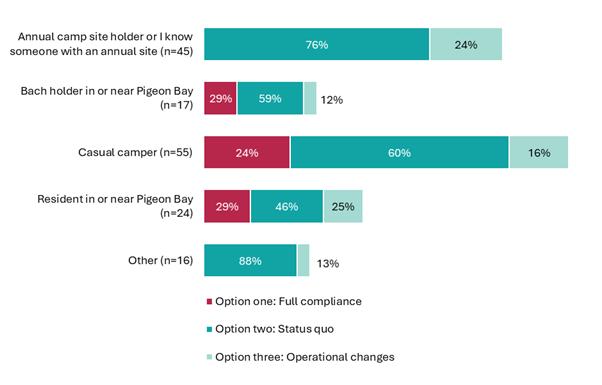
Figure 1. Support for each option by
respondent group
9.25 The main themes expressed by submitters in support for maintaining
the status quo included:
· That the Pigeon Bay
Boating Club depends on the use of annual sites, and any removal would
jeopardise its future (26)
· Annual site holders
contribute to the community (23)
· Annual site holders
keep the camp tidy and well maintained (17)
· Annual site holders
provide security for the campground (11)
· Annual site holders
help keep the campground occupied during quieter periods (11)
· Annual sites provide
a guaranteed income for the campground (11)
9.26 The main themes expressed by submitters in support of other options
(making operational changes, or enforcing full compliance) included:
· Some annual sites
are not occupied at peak times or not used for long periods of time (12)
· The best sites are
occupied by annual sites (12)
· Removing annual
sites would allow more equitable access (11)
· The sites should be
freed up over the summer period (11)
· The caravans are
untidy and contribute negatively to the aesthetic of the area (7).
9.27 Suggestions from submitters for operational changes included:
· Changes to the
occupancy rules including increasing the minimum nights (9)
· Decrease the number
of annual sites over time (9)
· Caravans must be
warranted, registered/maintained and moveable (6)
· Increase the charges
for the sites (5)
· Ballot sites over
summer (5)
· Prime spots to be
reserved for casual campers (3)
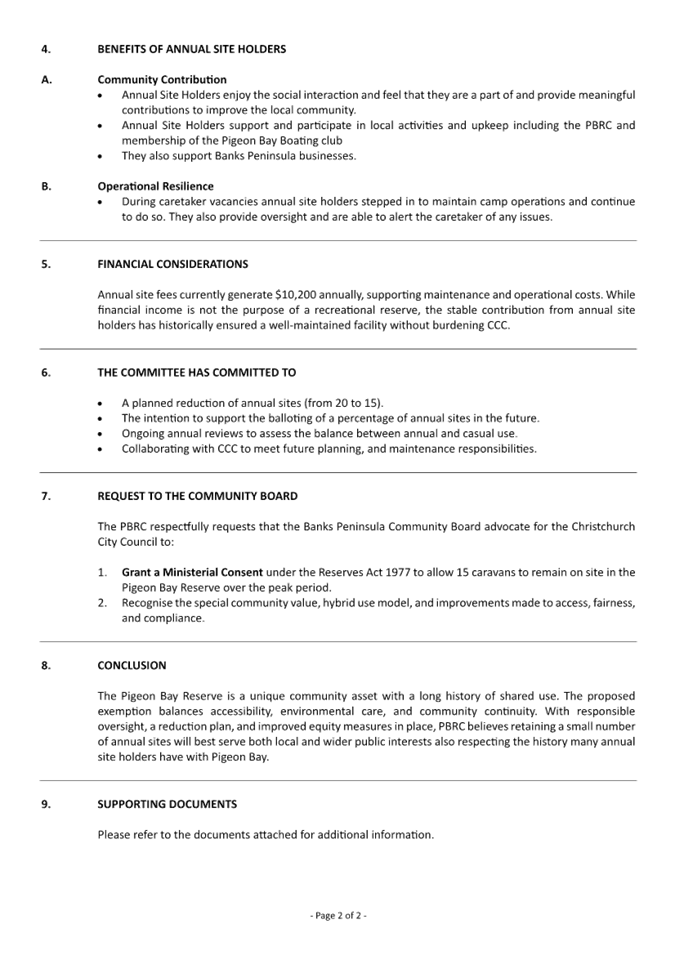
9.28 The Pigeon Bay Reserve Committee submitted in support of retaining a
reduced number of annual sites at Pigeon Bay. The Committee noted that changes
had already been made to improve fairness and access and expressed support for
a gradual reduction in annual sites over time. The submission highlighted the
contribution of annual site holders to campground operations, local activities,
and the Pigeon Bay Boating Club, and raised concerns about infrastructure
capacity and site suitability if overall occupancy were to increase during peak
periods.
Duvauchelle Holiday Park
9.29 188 submitters provided feedback for Duvauchelle Holiday Park,
including one organisation (Duvauchelle Reserve Committee) and 187 individuals.
9.30 Submitters were asked to select their preference out of three
options:
· Option one – Full
compliance with the Act, which includes removing long-time sites over summer
(hereinafter referred to as ‘full compliance’)
· Option two – Allow
annual sites as is, and seek consent from the minister (hereinafter referred to
as ‘status quo’)
· Option three – Allow
annual sites to remain but with operational changes, and seek consent from the
minister (hereinafter referred to as ‘operational changes’
9.31 Overall, 87% (164) supported maintaining the status quo, 5% (10)
supported making operational changes, and 7% (14) supported enforcing full
compliance.
9.32 Of those in support of maintaining the status quo, 58% were annual
site holders or knew someone with an annual site, 25% were casual campers and
the remainder were bach holders, residents and others.
9.33 There were varying levels of support for option two (status quo)
across submitter groups. Most (98%) annual site holders or those who knew
someone with a site supported option two, as well as all Duvauchelle bach
holders who responded (14). There were comparably lower levels of support for
option two across casual campers (82%) and residents in or near Duvauchelle
(47%).
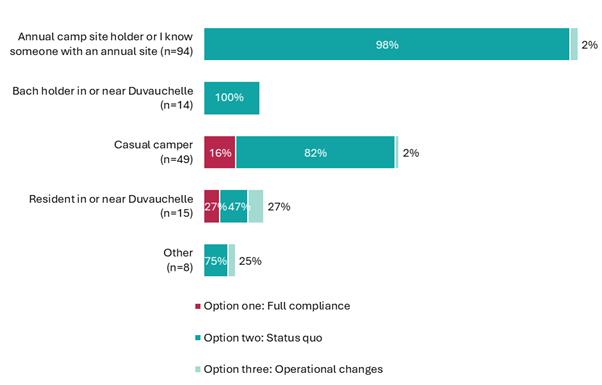
Figure 2. Support for each option by
respondent group
9.34 The
main themes expressed by submitters in support for maintaining the status quo
included:
· Annual
sites provide a guaranteed income for the campground (31)
· Council
ought to follow the historic precedent/this arrangement has existed for
generations (26)
· Annual
site holders have fostered a sense of community at the campground (26)
· There
is sufficient room for casual campers in the current arrangement (24)
· Annual
site holders keep the campground tidy (13)
9.35 The
main themes from those in support of other options (making operational changes,
or enforcing full compliance) included:
· Removing
annual sites would allow more equitable access (8)
· The
annual sites look untidy (5)
· Removing
annual sites would free up sites over summer (5)
9.36 Suggestions
for operational changes included:
· Clearly
defined areas for annual compared to casual sites (2)
· Vehicles
must be roadworthy or maintained to a certain standard (2)
· Increased
charges (2)
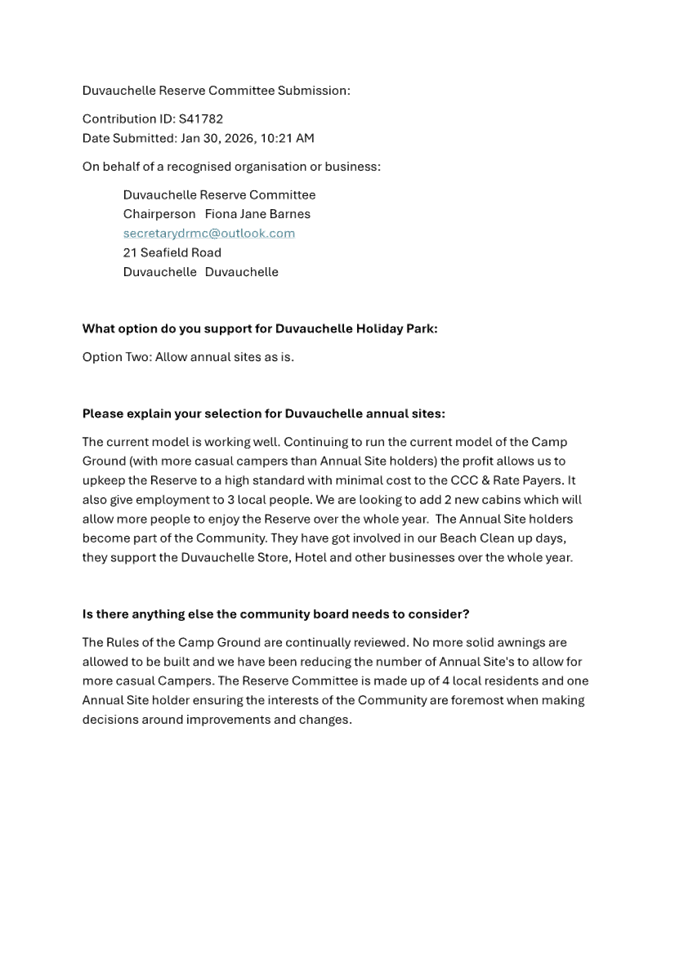
9.37 The
Duvauchelle Reserve Committee supported retaining annual sites under existing
arrangements, noting that the current operating model supports ongoing
maintenance of the reserve, local employment, and year‑round economic contribution to the
community. The Committee also referenced existing operational controls,
including no further solid awnings being permitted and a reduction in annual
site numbers over time to increase availability for casual campers.
9.38 Operational Context – Pigeon Bay Annual Site Proportions
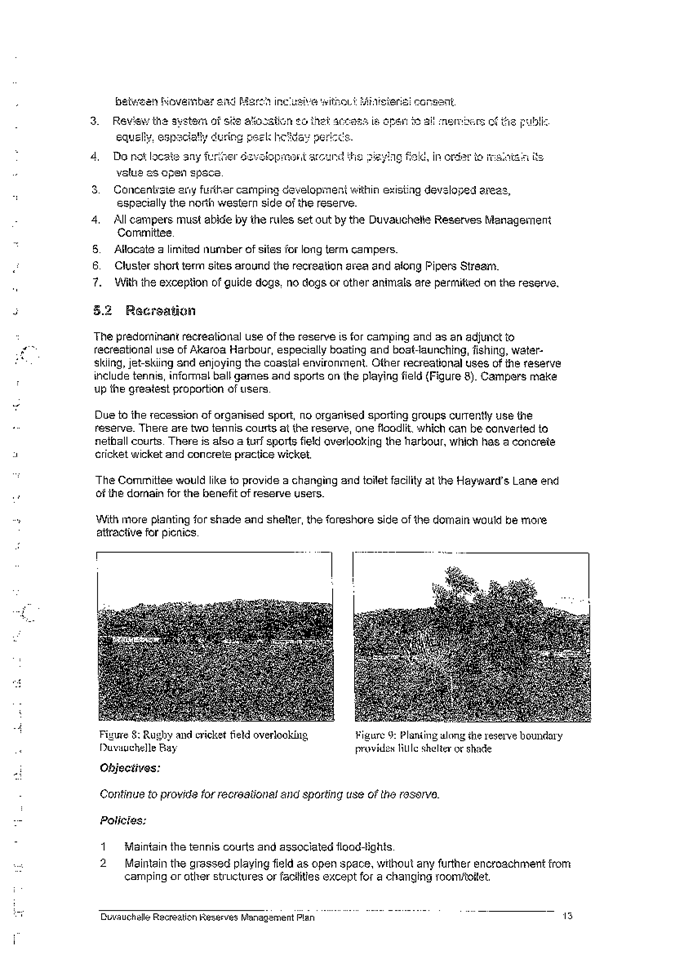
· The
draft Pigeon Bay Reserve Management Plan policy identified a policy intent to
ensure that longer‑term
camping sites comprise no more than 50% of total camping capacity.
· In
2006, annual sites comprised approximately 50% of available sites (20 of 40).
Since that time, the number of annual sites has been progressively reduced to
approximately 37% of capacity (17 of 48 sites).
· The
Pigeon Bay Reserve Committee has indicated an intent to further reduce the
proportion of annual sites to approximately 32% (15 of 48 sites) through
natural attrition by October 2029.
· The
Committee has advised that, if reductions are not achieved through natural
attrition, it may consider additional operational measures—such as
increased minimum stay requirements or adjustments to annual site fees—to
encourage turnover over time.
9.39 Operational
Context – Duvauchelle Annual Site Proportions
· The
draft Duvauchelle Reserve Management Plan did not specify a fixed proportion
for longer‑term
camping sites; however, historic management discussions have consistently
considered the balance between annual and casual use. In 2006, annual sites
comprised approximately 62% of total campground capacity (76 of 122 sites). Of
these, a substantial proportion included solid annexes.
· Since
that time, the number of annual sites has been reduced to approximately 48% of
capacity (58 of 122 sites). The current annual sites comprise a mix of site
configurations, including 36 sites with solid annexes and 22 sites with canvas
structures. Reductions have occurred through natural attrition and tighter
operational controls rather than enforced removal.
· It
has been reported that during site visits in the mid‑2000s, the Department of Conservation
expressed a preference for campground arrangements to work toward a balance in
which longer‑term
sites did not exceed approximately half of total capacity. While this was not
formalised and does not constitute policy direction, the reduction in annual
sites at Duvauchelle over time reflects ongoing consideration of that balance
alongside campground viability and operational constraints.
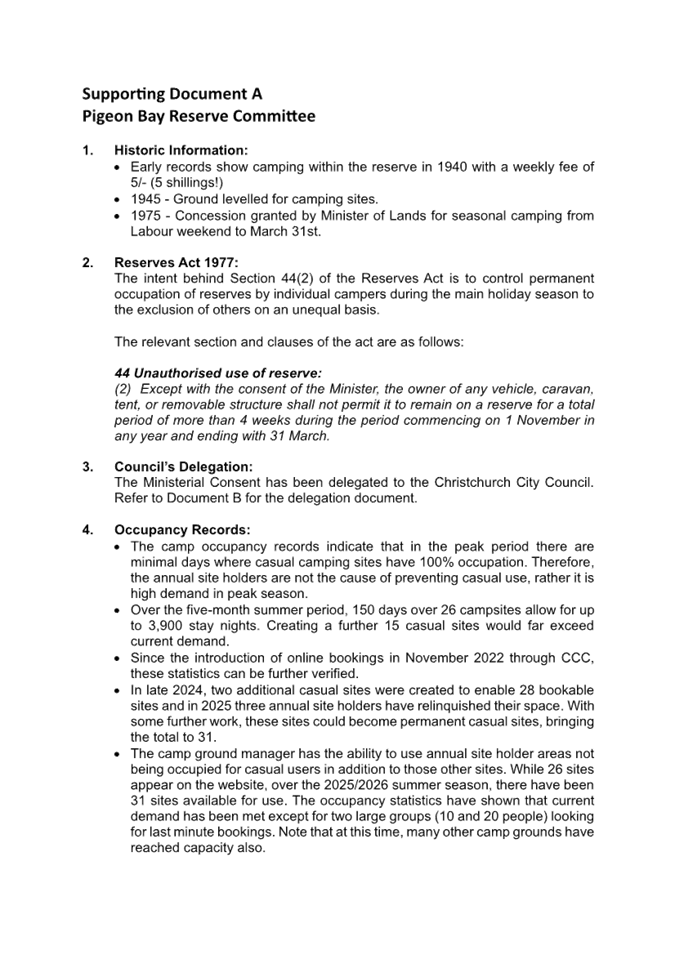
9.40 The decision affects the following wards/Community Board areas:
Te Pātaka o Rākaihautū Banks Peninsula.
9.41 The Community Board view
is being sought in this report.
Impact
on Mana Whenua Ngā
Whai Take Mana Whenua
9.42 The decision does not involve a significant decision in relation to
ancestral land, a body of water or other elements of intrinsic value, therefore
this decision does not specifically impact Mana Whenua, their culture, and
traditions.
9.43 The decision does not involve a matter of interest to Mana Whenua
and will not impact on our agreed partnership priorities with Ngā Papatipu
Rūnanga.
9.44 The proposals relate to operational management of existing
campground use on established recreation reserves and do not involve whenua
modification, changes to reserve classification, or impacts on sites of
cultural significance. Council officers have discussed the issues with Ngā
Papatipu Rūnanga, and no specific impacts or engagement requirements have
been identified in relation to this decision.
Climate
Change Impact Considerations Ngā Whai Whakaaro mā te Āhuarangi
9.15 The
proposals in this report are unlikely to contribute
significantly to adaptation to the impacts of climate change or emissions
reductions.
9.16 The proposals involve administrative management of existing camping
use and are not expected to have any material impact on climate change
mitigation or adaptation.
10. Next Steps Ngā Mahinga ā-muri
10.1 The Board's recommendation will be reported to the Chief Executive
of the Council for a final decision on the Duvauchelle Holiday Park and Pigeon
Bay Campground Annual Sites.
Attachments Ngā Tāpirihanga
|
No.
|
Title
|
Reference
|
Page
|
|
a ⇩ 
|
Pigeon Bay
Reserve Committee Submission
|
26/672613
|
28
|
|
b ⇩
|
Duvauchelle
Reserve Committee Submission
|
26/672617
|
42
|
|
c ⇩
|
Akaroa Wairewa
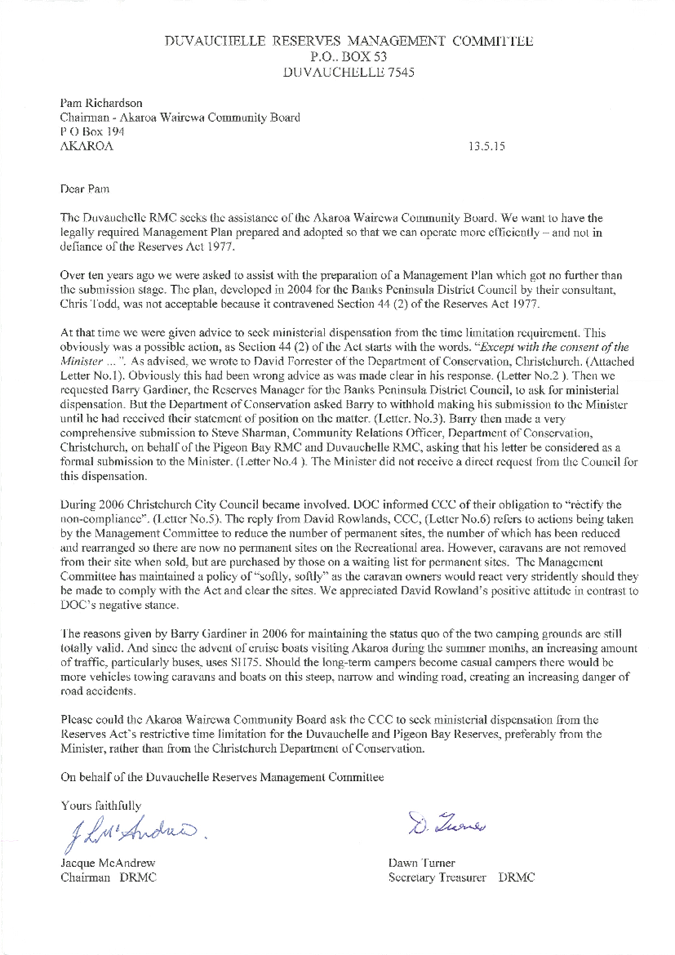
Community Board 10 June 2015 Inward Correspondence from Duvauchelle Reserve
Management Committee dated 13 May 2015 re Reserve Management Plan
|
15/613040
|
43
|
|
d ⇩ 
|
Duvauchelle
Recreation Reserve Management Plan 2006
|
18/586726
|
60
|
|
e ⇩
|
Draft of
Pigeon Bay Recreation Reserve management plan 2006
|
10/505594
|
80
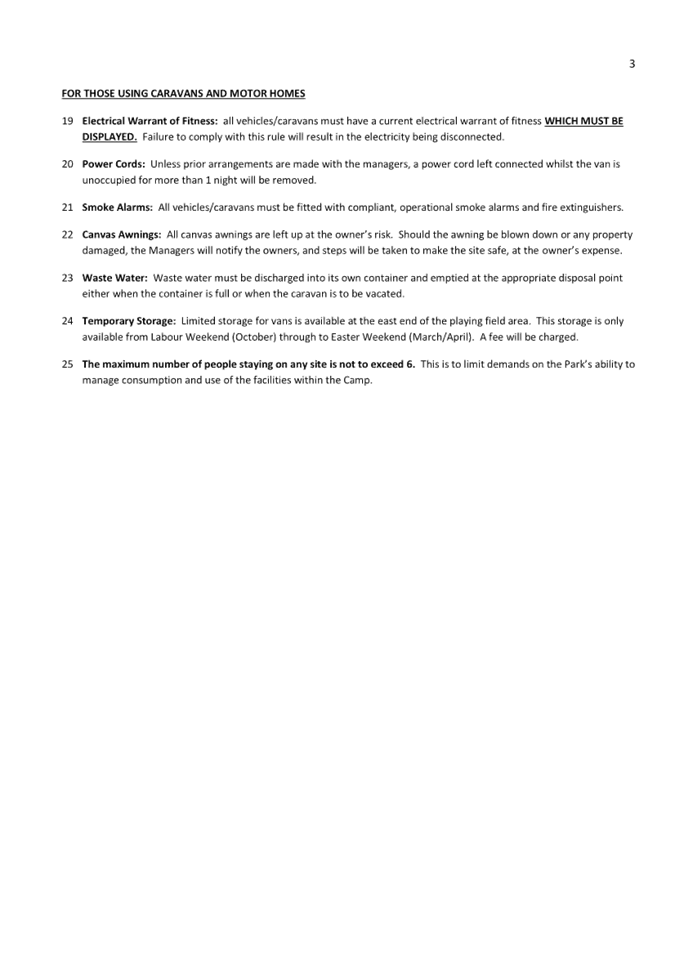
|
|
f ⇩
|
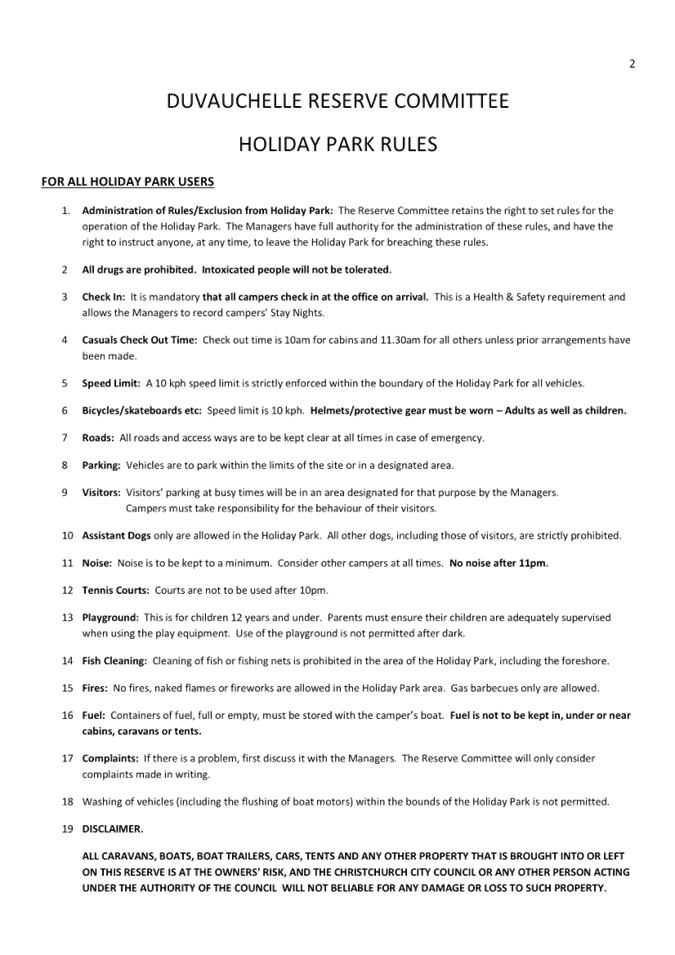
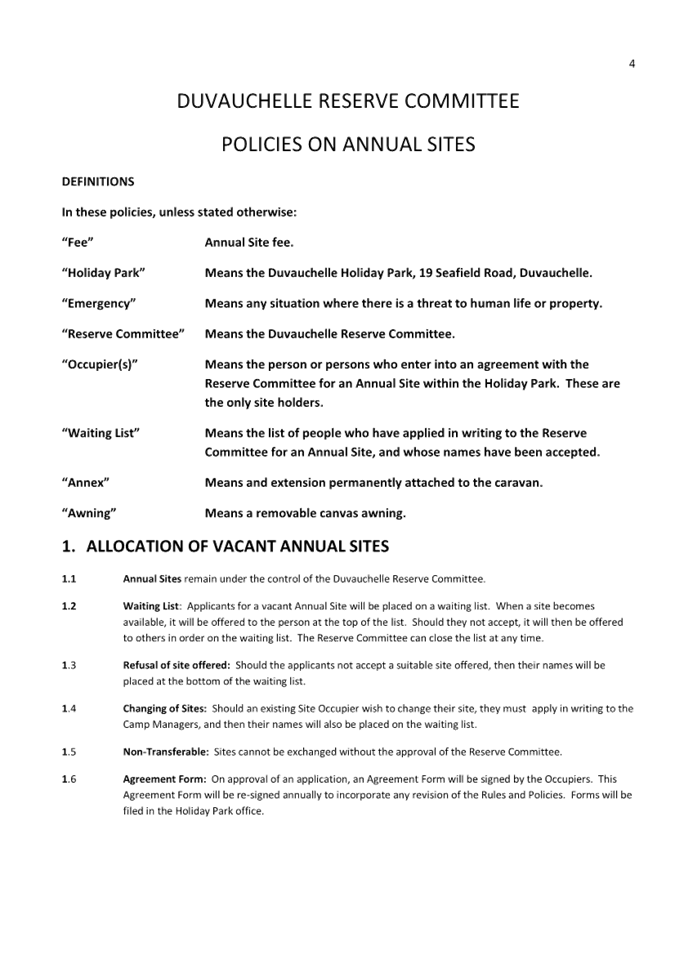
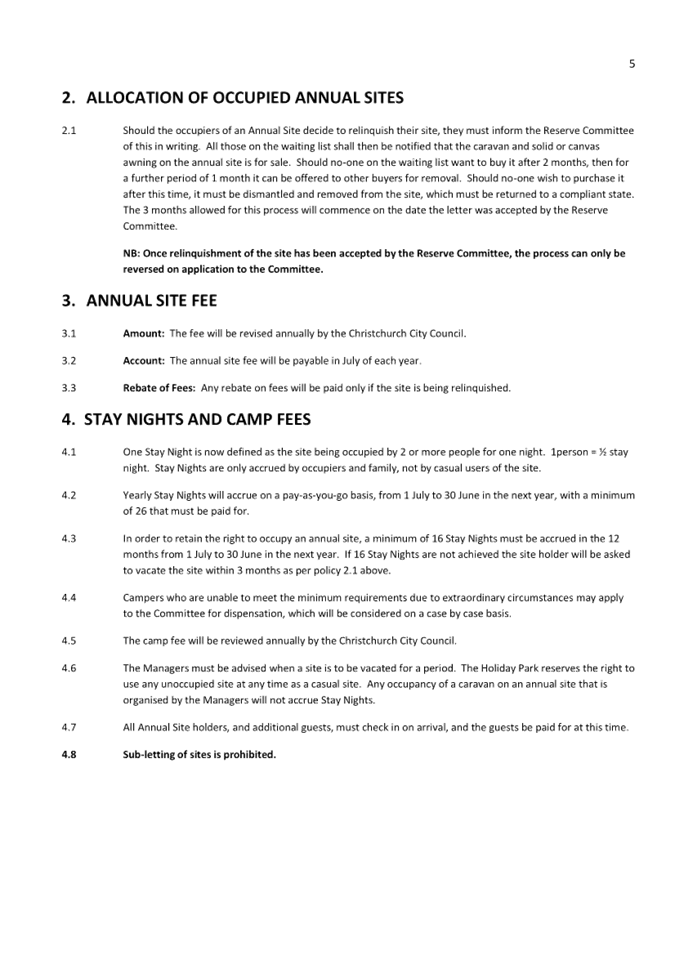
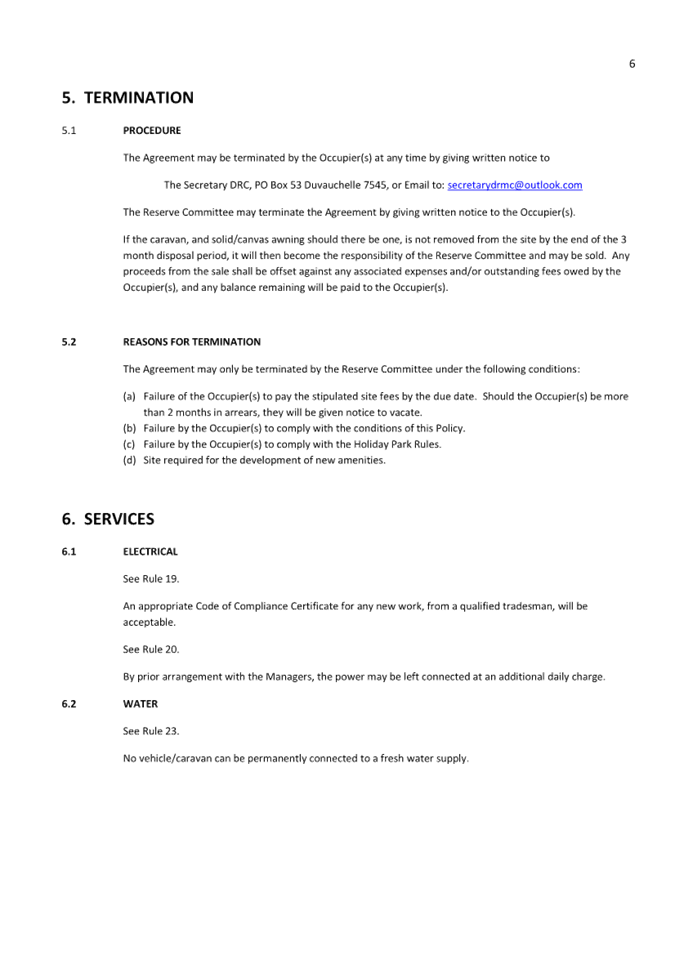
Duvauchelle
Reserve Committee Rules and Policies 12 September 2025
|
26/672537
|
97
|
|
g ⇩
|
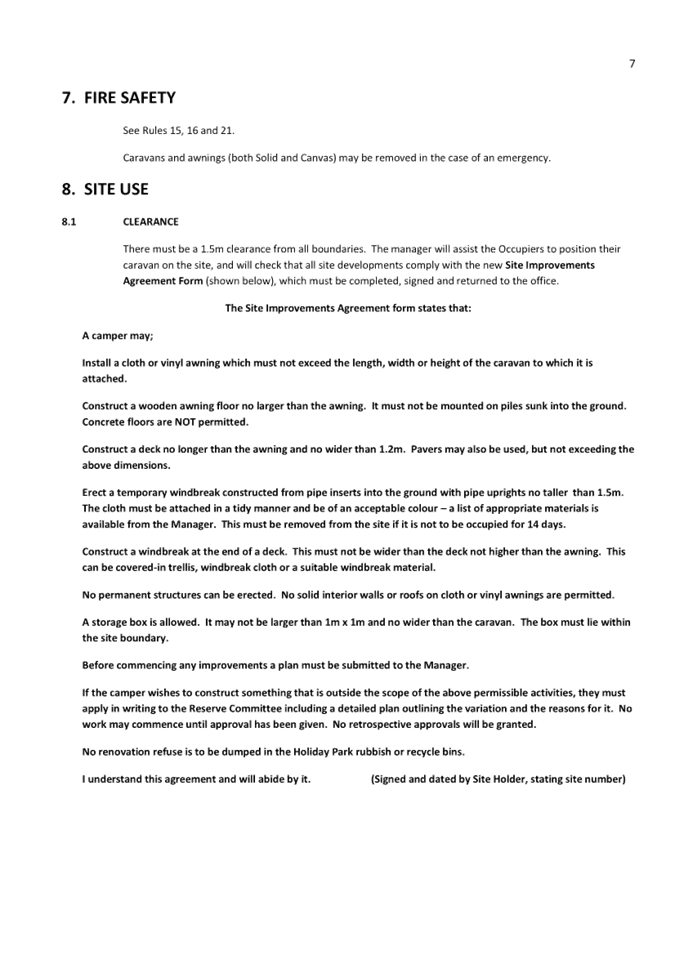
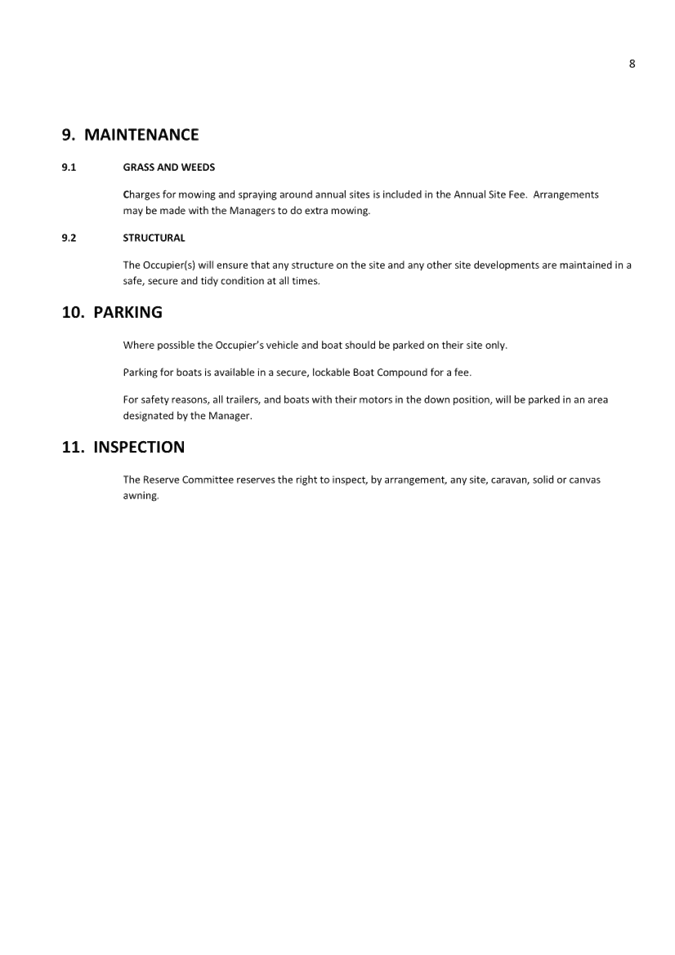
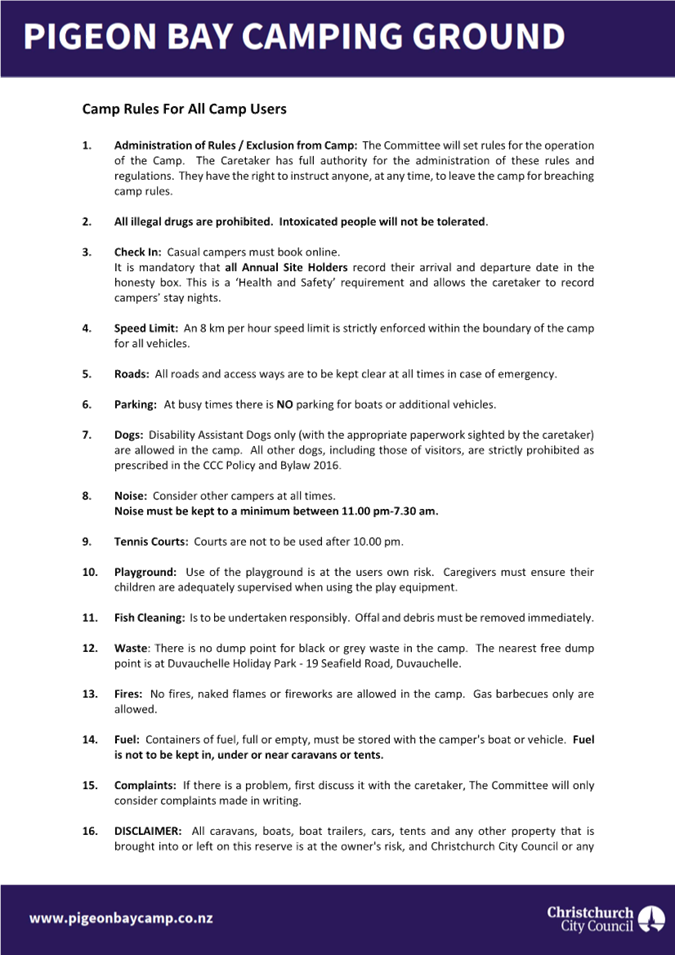
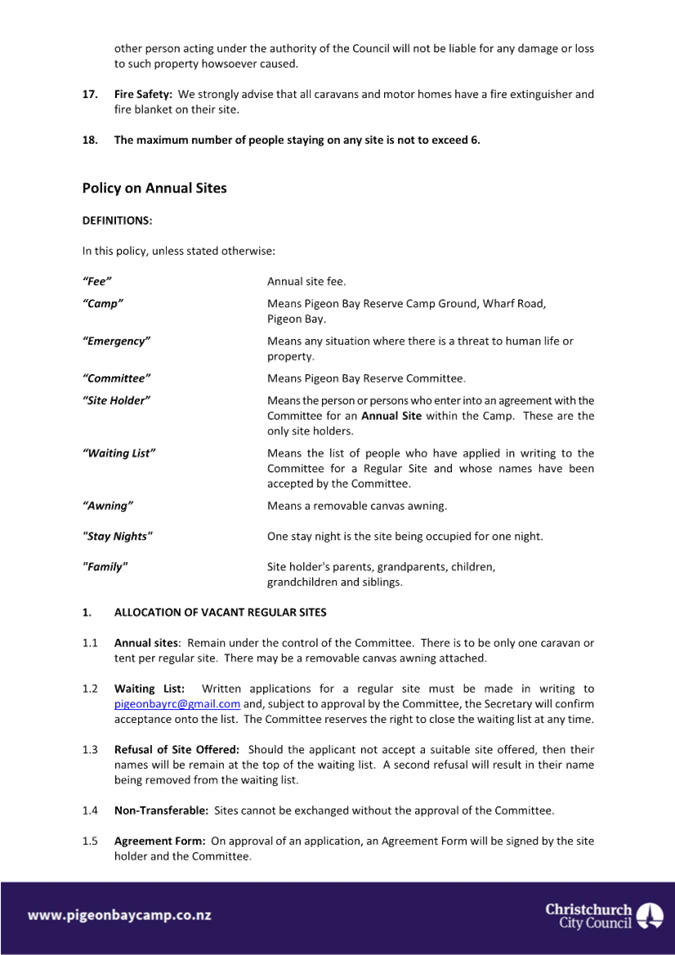
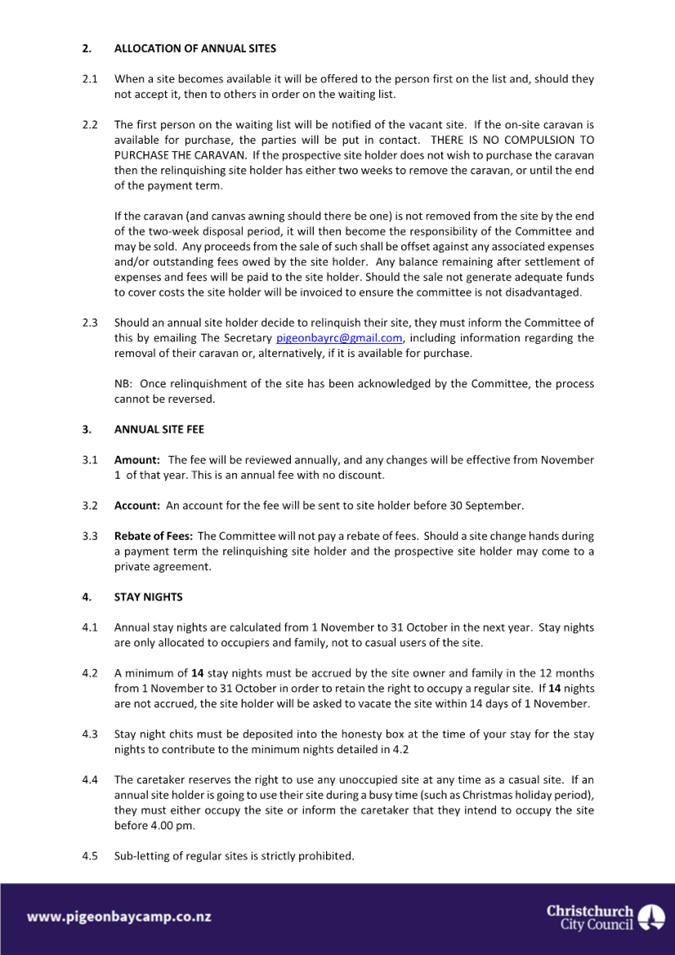
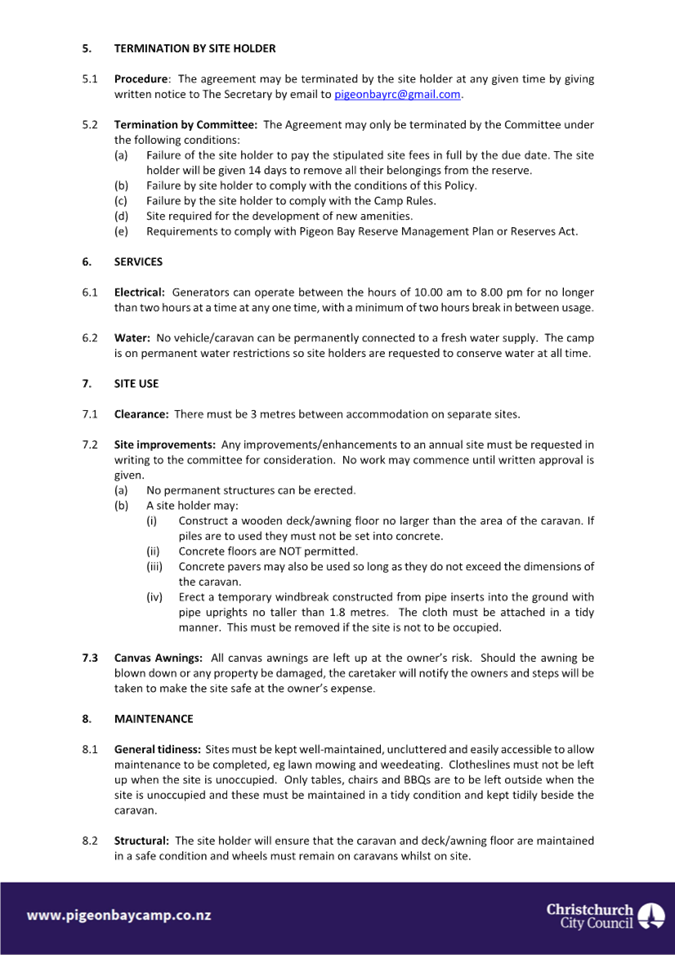
Pigeon Bay
Camping Ground Rules
|
26/672622
|
105
|
|
h ⇩
|
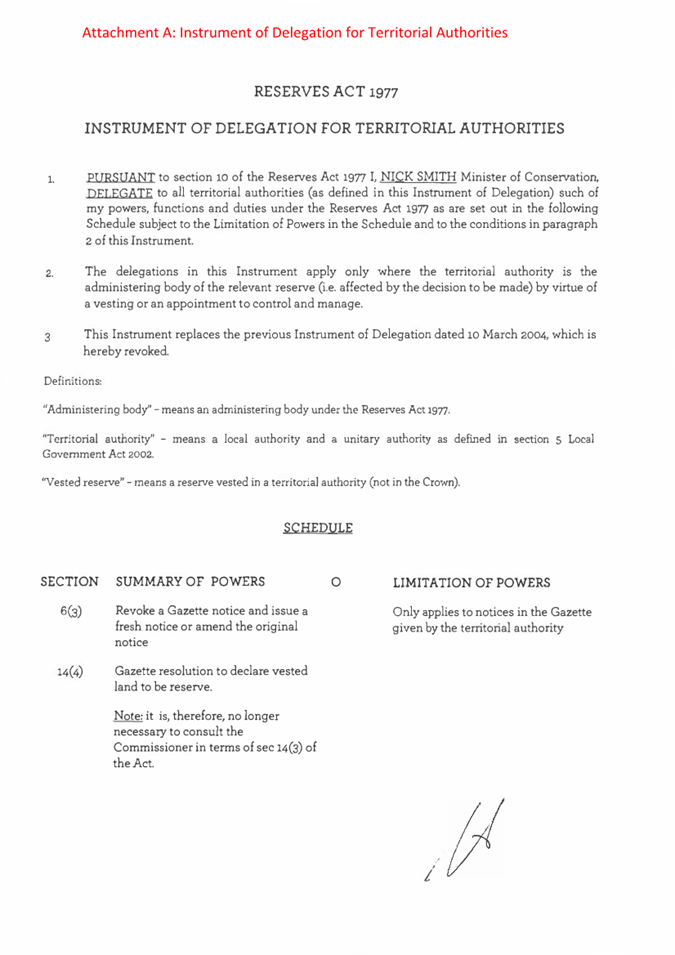
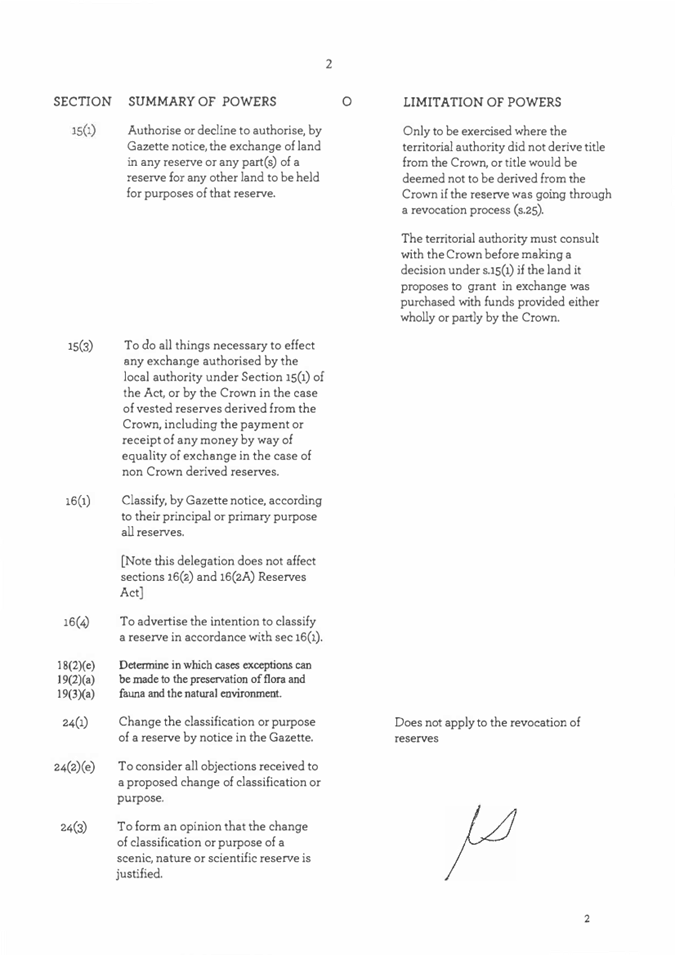
Reserves Act
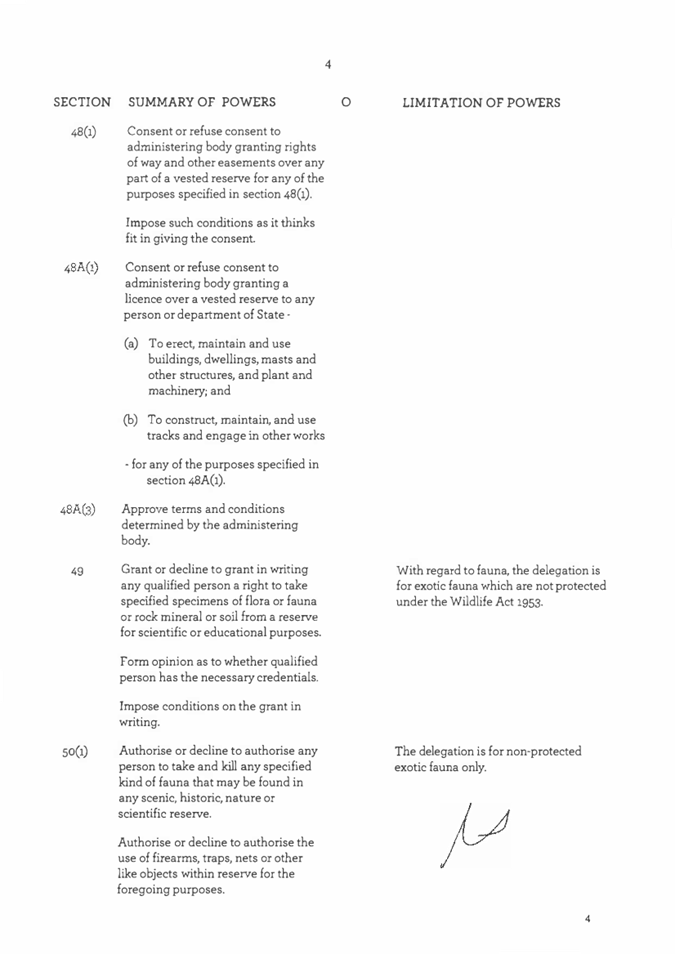
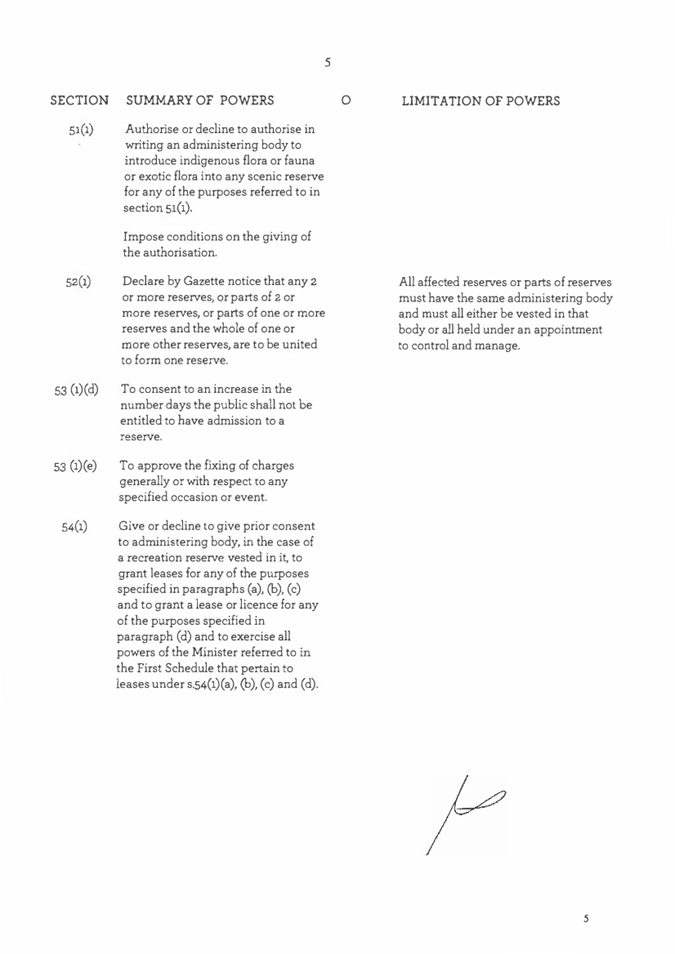
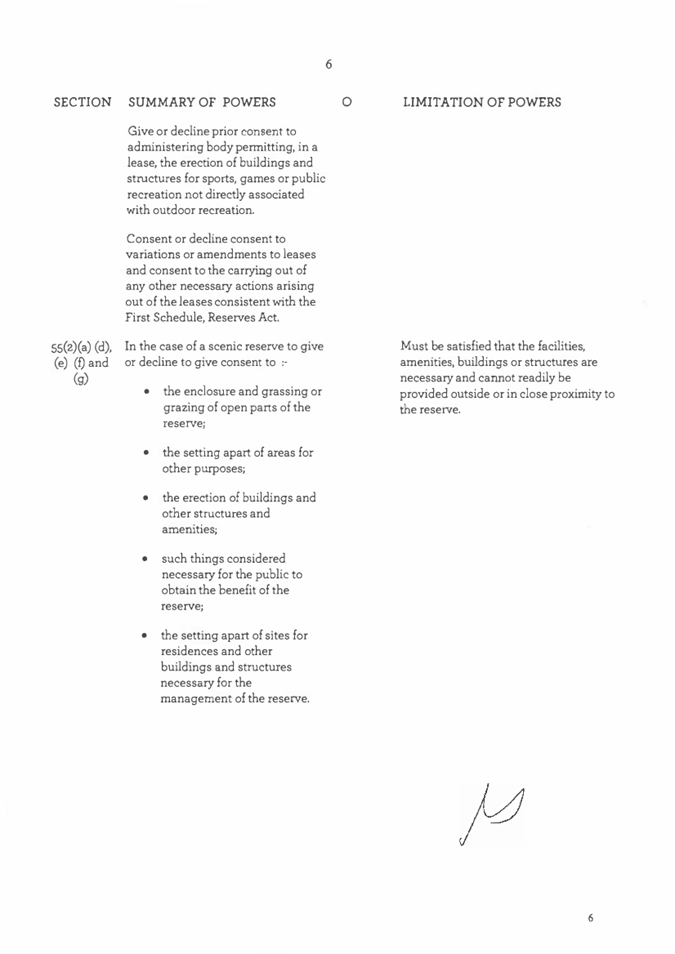
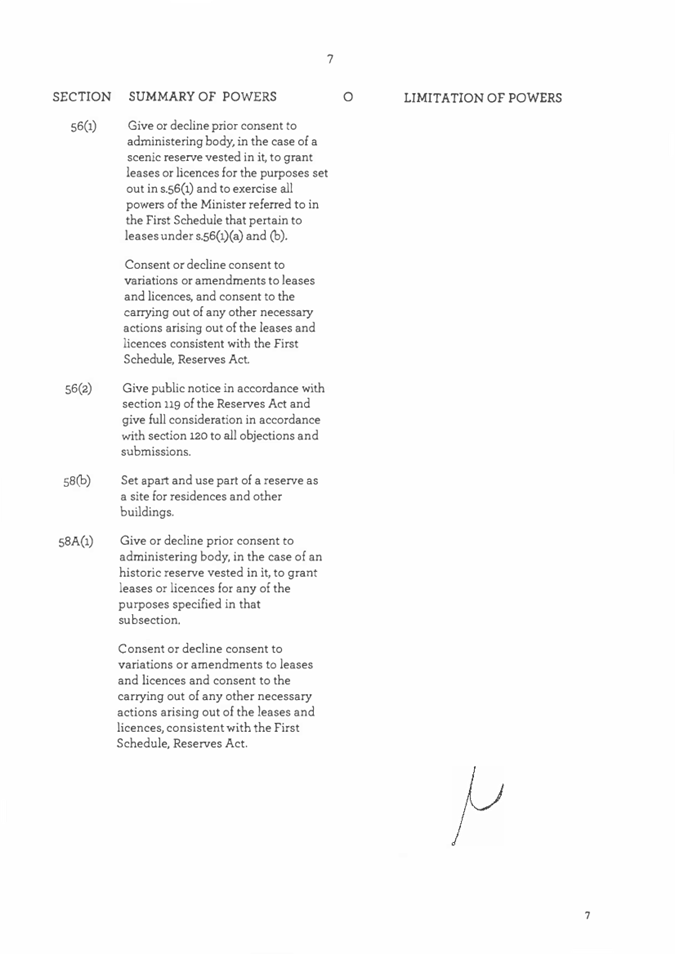
1977 – Instrument of Delegation for Territorial Authorities
|
26/635669
|
109
|
In addition to the attached documents, the following background
information is available:
|
Document
Name – Location / File Link
|
Signatories Ngā Kaiwaitohu
|
Authors
|
Colin Jacka -
Manager Activities and Events (Outdoor)
Paris Porter -
Engagement Advisor
|
|
Approved By
|
Nigel Cox -
Head of Recreation, Sports & Events
|